What to Do When Baby Sits in the Wrong Position (Complete Guide for Parents)
Watching your baby grow and reach milestones like sitting is exciting. But sometimes, parents notice their baby sitting in unusual or “wrong” positions, which can raise concerns. The good news is that most sitting issues are normal and can be corrected with simple guidance and care.
In this article, we’ll explain what wrong sitting positions look like, why they happen, and how you can safely help your baby sit properly.
What is a Wrong Sitting Position in Babies?
A wrong sitting position means your baby is not sitting in a balanced, upright posture. Some common examples include:
- Slouching forward or leaning too much
- Sitting in a “W” position (knees bent inward, feet behind)
- Tilting to one side
- Rounded back instead of straight posture
While occasional incorrect sitting is normal, consistent poor posture may need attention.
Why Do Babies Sit in the Wrong Position?
There are several reasons why babies may sit incorrectly:
- Weak core muscles
- Lack of balance development
- Habit formation (especially W-sitting)
- Trying to feel more stable
- Natural exploration of body movement
In most cases, it’s part of normal development.
Tips to Correct Baby Sitting Position
Here are simple and effective tips you can follow:
1. Encourage Upright Sitting
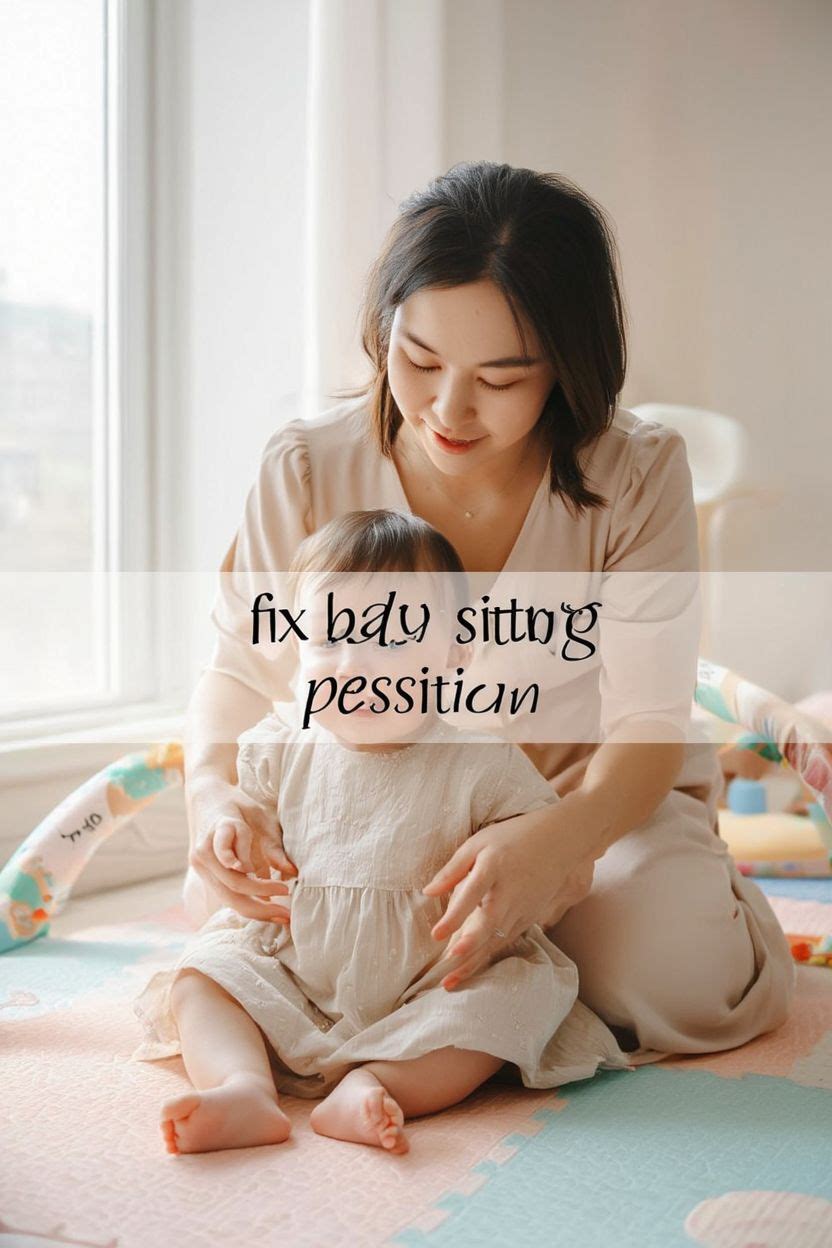
Help your baby sit with a straight back by gently supporting their waist or hips.
2. Avoid W-Sitting
If your baby sits in a W position, gently move their legs forward into a cross-legged or straight position.
3. Use Supportive Pillows
Place soft pillows around your baby to prevent falling and encourage correct posture.
4. Strengthen Core Muscles
Tummy time is very important. It helps build the muscles needed for proper sitting.
5. Place Toys at Eye Level
Keep toys in front of your baby to encourage them to sit upright instead of leaning.
6. Limit Long Sitting Time
Avoid letting your baby sit too long in one position. Give breaks and allow movement.
7. Sit With Your Baby
Demonstrate proper sitting by sitting in front of them. Babies learn by watching.
When Should You Be Concerned?
Consult a doctor or pediatrician if:
- Your baby always leans to one side
- Cannot sit without support after 9 months
- Shows stiffness or unusual body movements
- Seems uncomfortable while sitting
Early guidance can help avoid future posture issues.
Final Thoughts
Babies are constantly learning and exploring new movements, so occasional wrong sitting positions are completely normal. With gentle correction, proper support, and regular practice, your baby will naturally develop a healthy sitting posture.
Always stay patient and supportive — your encouragement plays a big role in your baby’s development.