Best Vegetables to Grow on a Balcony Apartment (Beginner’s Guide)
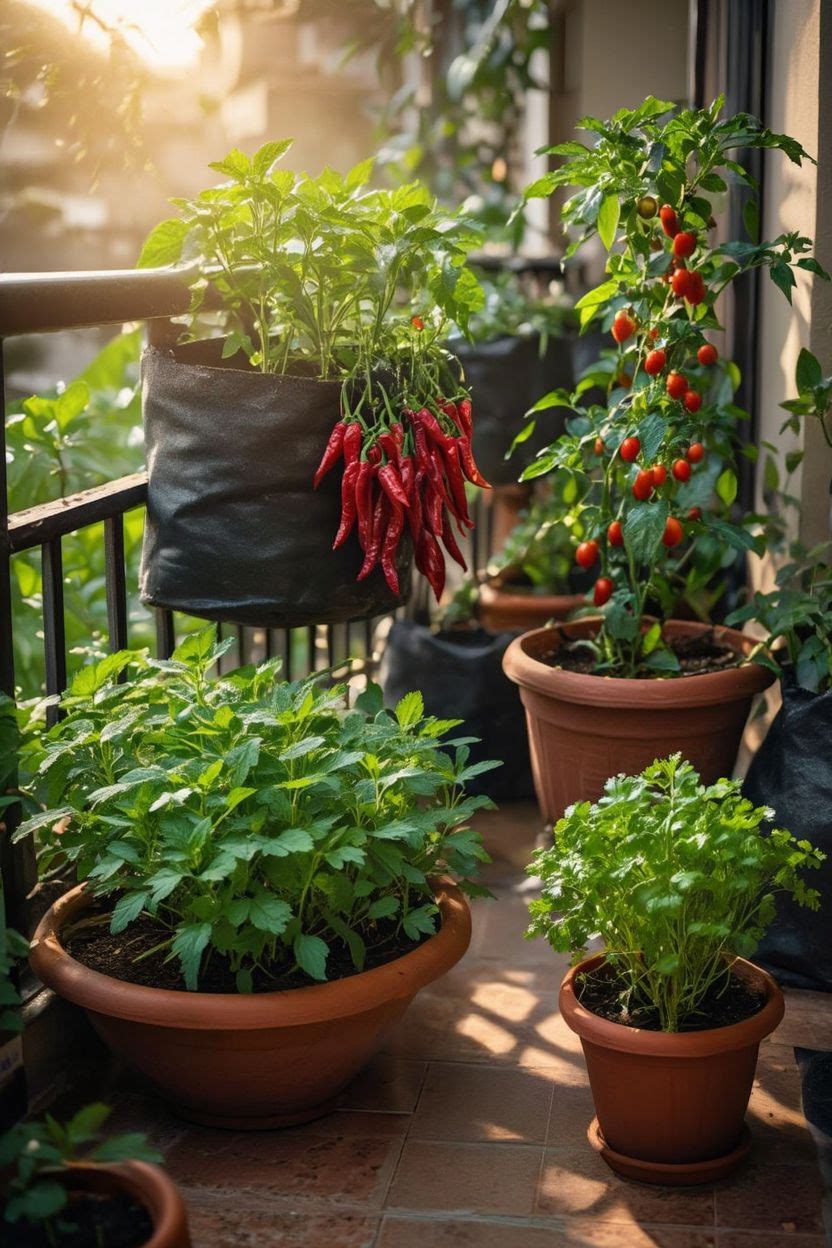
You have a balcony. You want fresh vegetables. But you’re not sure where to start.
The good news? You don’t need a garden. You don’t even need a big space. Some of the tastiest vegetables grow happily in pots — even on a tiny apartment balcony in the middle of a city.
This guide covers the best vegetables for balcony gardening, especially if you’re a beginner in India. We’ll talk about what to grow, what pots to use, rough costs, and simple tips to get your first harvest.
1. Why Balcony Vegetable Gardening Works
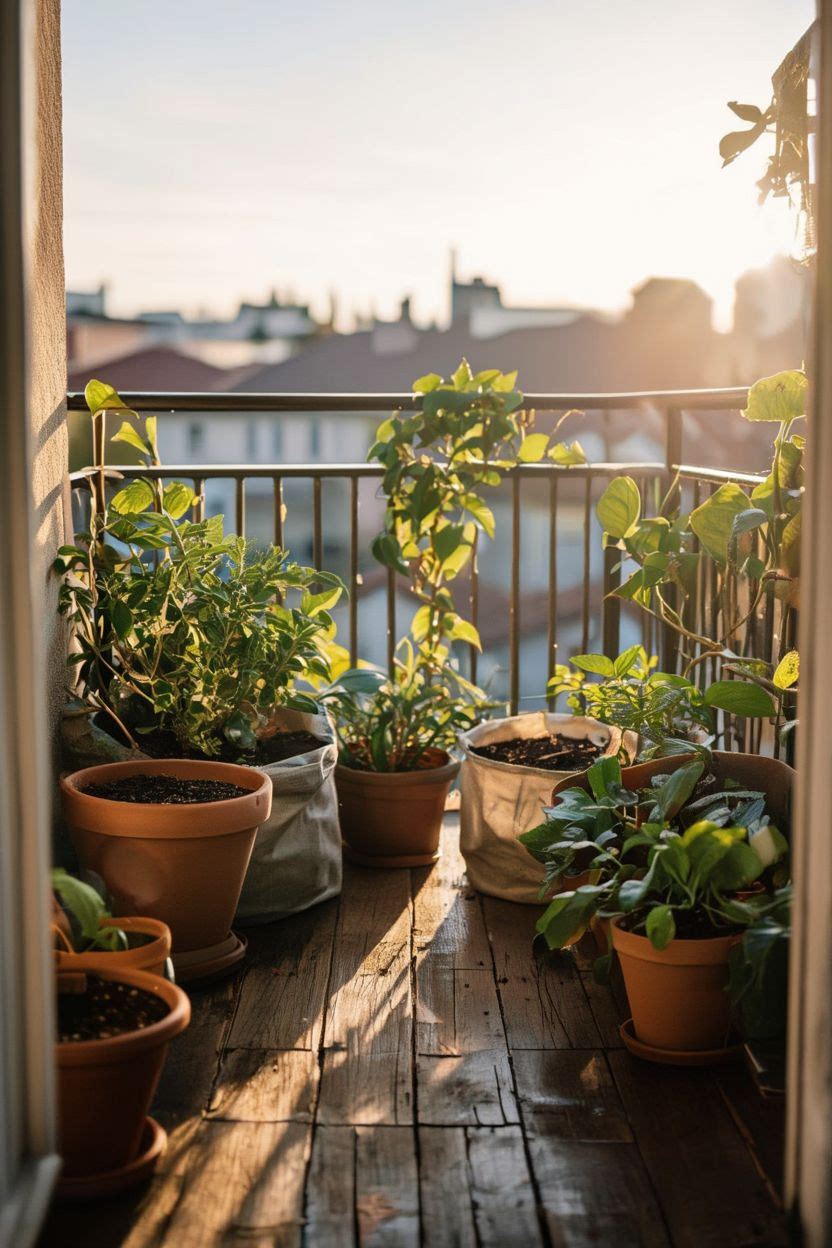
Most people think vegetable gardening needs a big yard. That’s simply not true.
Vegetables need three things: sunlight, water, and nutrients. A balcony that gets at least 4–6 hours of direct sun daily is enough to grow many vegetables well.
In Indian cities like Bengaluru, Mumbai, Chennai, or Delhi, most apartments have balconies that face east or west — both are good for morning or afternoon sun. That’s enough for a productive little kitchen garden.
1.1 What You Get From a Balcony Garden
- Fresh, pesticide-free vegetables at home
- Savings on grocery bills over time
- A calming hobby that reduces stress
- Better air quality on your balcony
2. Best Vegetables for Balcony Apartments
Here are the top vegetables that actually work well in pots on a balcony. These are sorted by ease — start from the top if you’re a complete beginner.
2.1 Methi (Fenugreek Leaves)
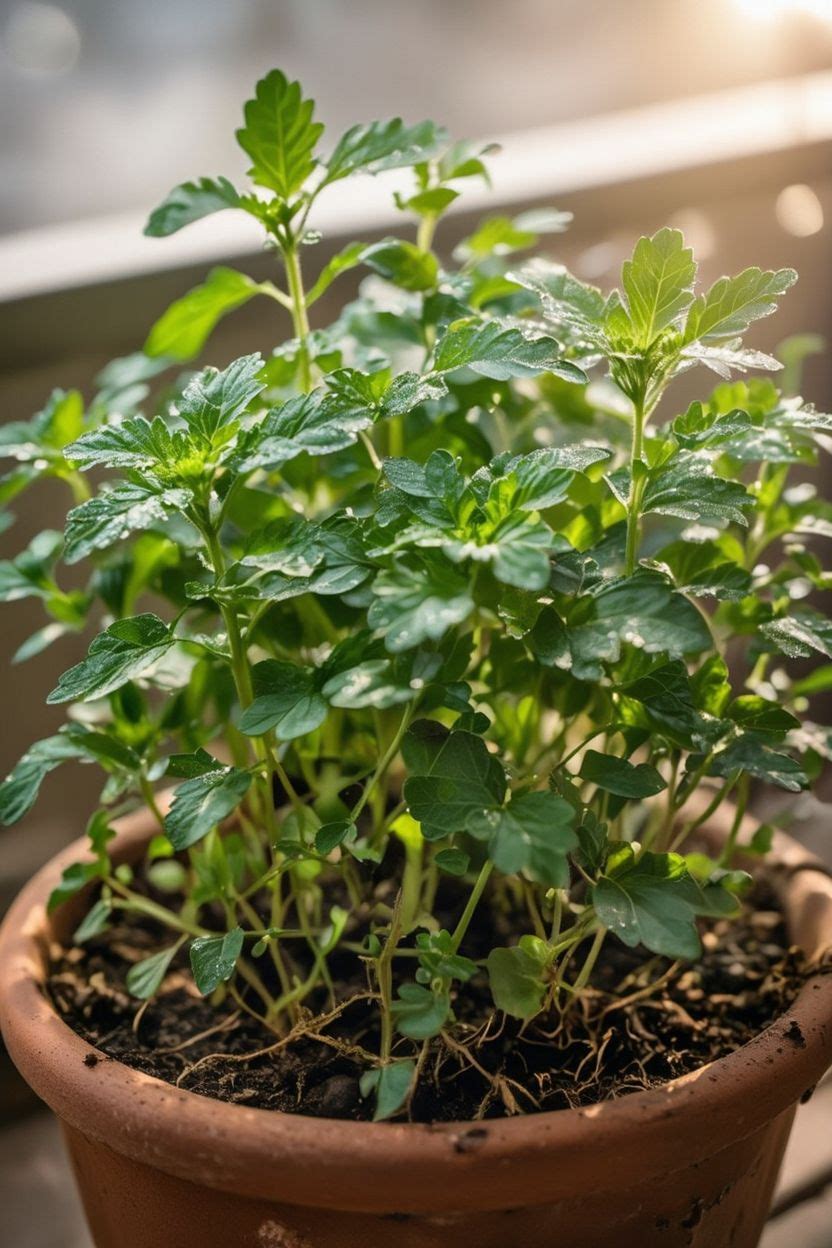
Methi is one of the easiest vegetables to grow in India. Seeds germinate in 3–4 days. You can harvest leaves in about 3 weeks.
- Pot size: Any shallow container, even old dabbas or crates
- Sunlight: 4+ hours
- Time to harvest: 3–4 weeks
- Best season: October to February (cooler months)
Just scatter seeds densely, water daily, and snip leaves when they’re 4–5 inches tall. Resows itself quickly.
2.2 Chillies (Mirchi)
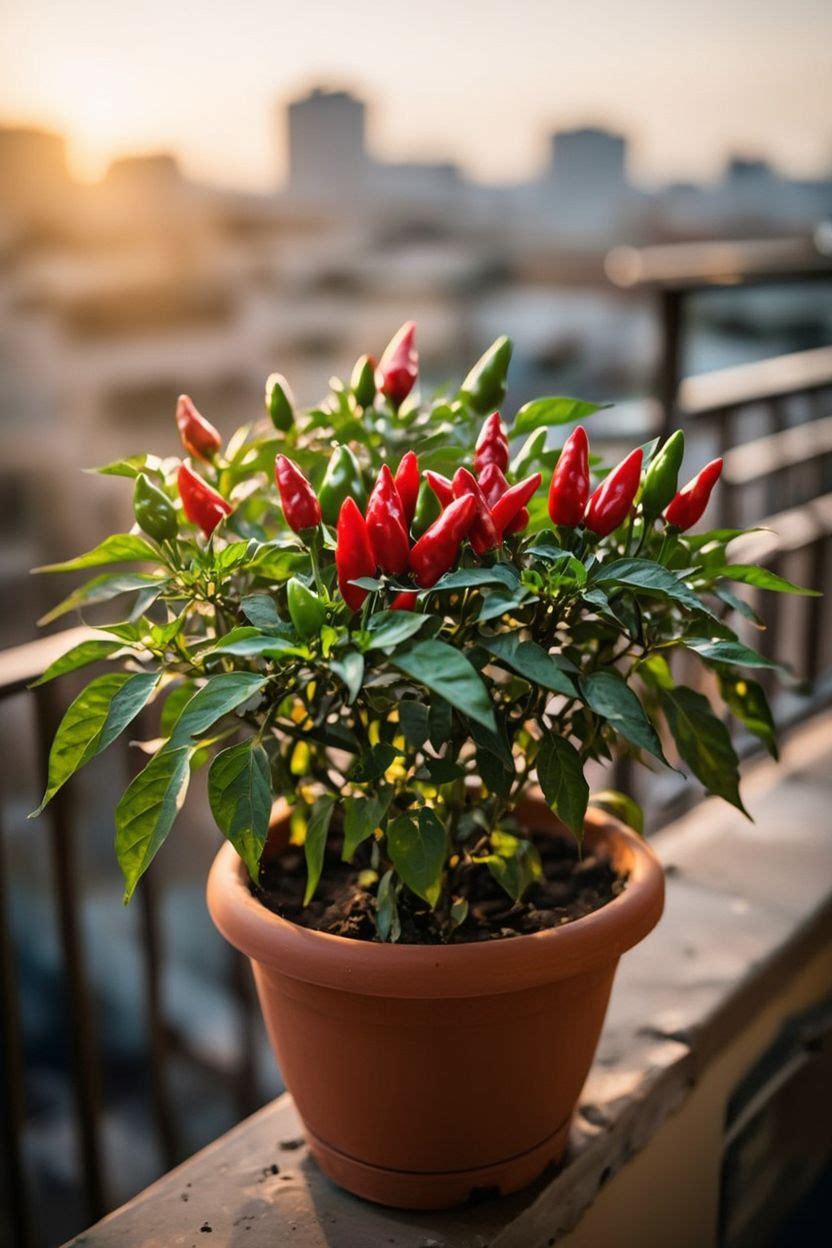
Chillies are made for Indian balconies. They love heat, don’t need much water once established, and produce for months. Green chillies, bird’s eye chillies, and Kashmiri varieties all grow well in pots.
- Pot size: 10–12 inch pot minimum
- Sunlight: 5–6 hours
- Time to harvest: 60–90 days from transplanting a seedling
- Best season: Year-round in South India; March–October in North India
Buy a seedling from a nursery (₹20–50) rather than starting from seed if you’re a beginner. It’s faster and more reliable.
2.3 Tomatoes
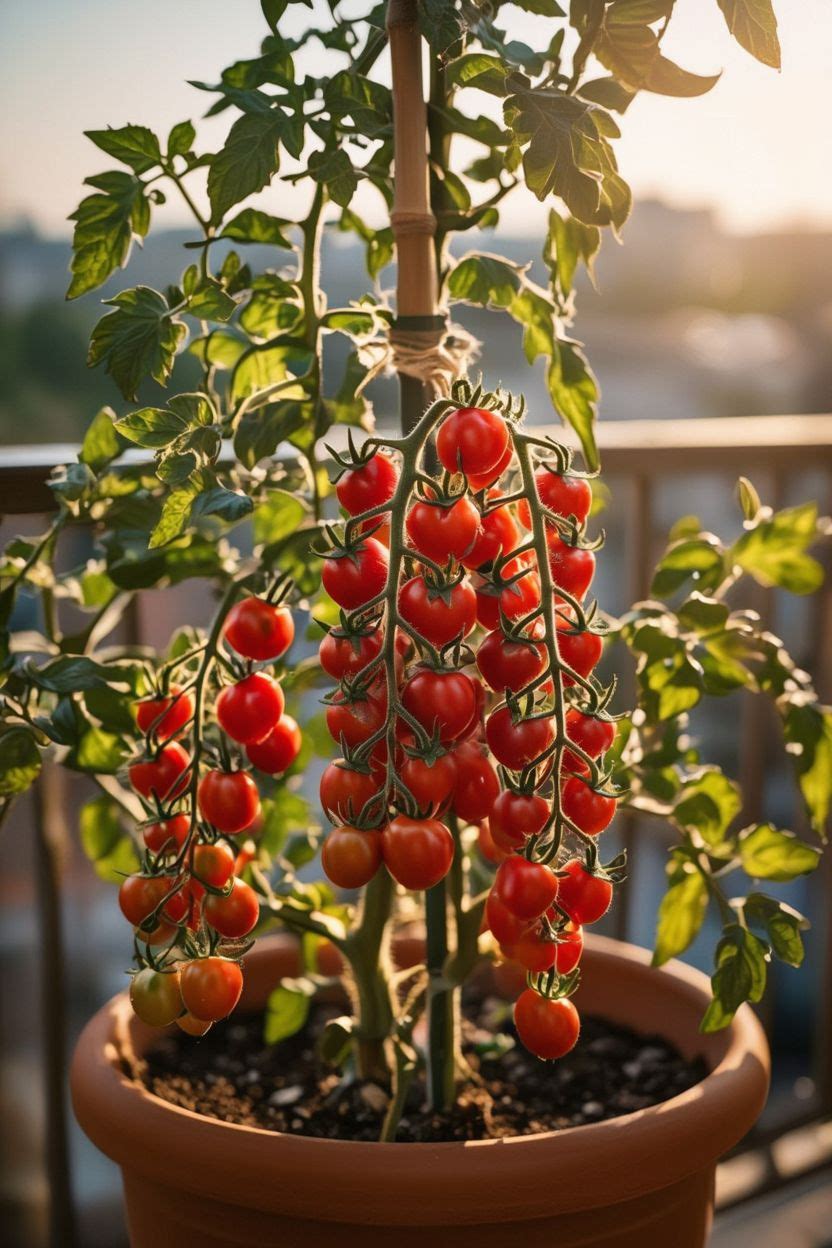
Cherry tomatoes are ideal for balconies. They’re smaller plants, fruit heavily, and taste incredible freshly picked. Regular tomatoes work too but need bigger pots.
- Pot size: 12–14 inch pot for cherry tomatoes; 16+ inch for regular
- Sunlight: 6+ hours (they love full sun)
- Time to harvest: 60–80 days from seedling
- Best season: October to February
Add a small stake or bamboo stick to support the plant as it grows. Water consistently — irregular watering causes the fruit to crack.
2.4 Palak (Spinach)
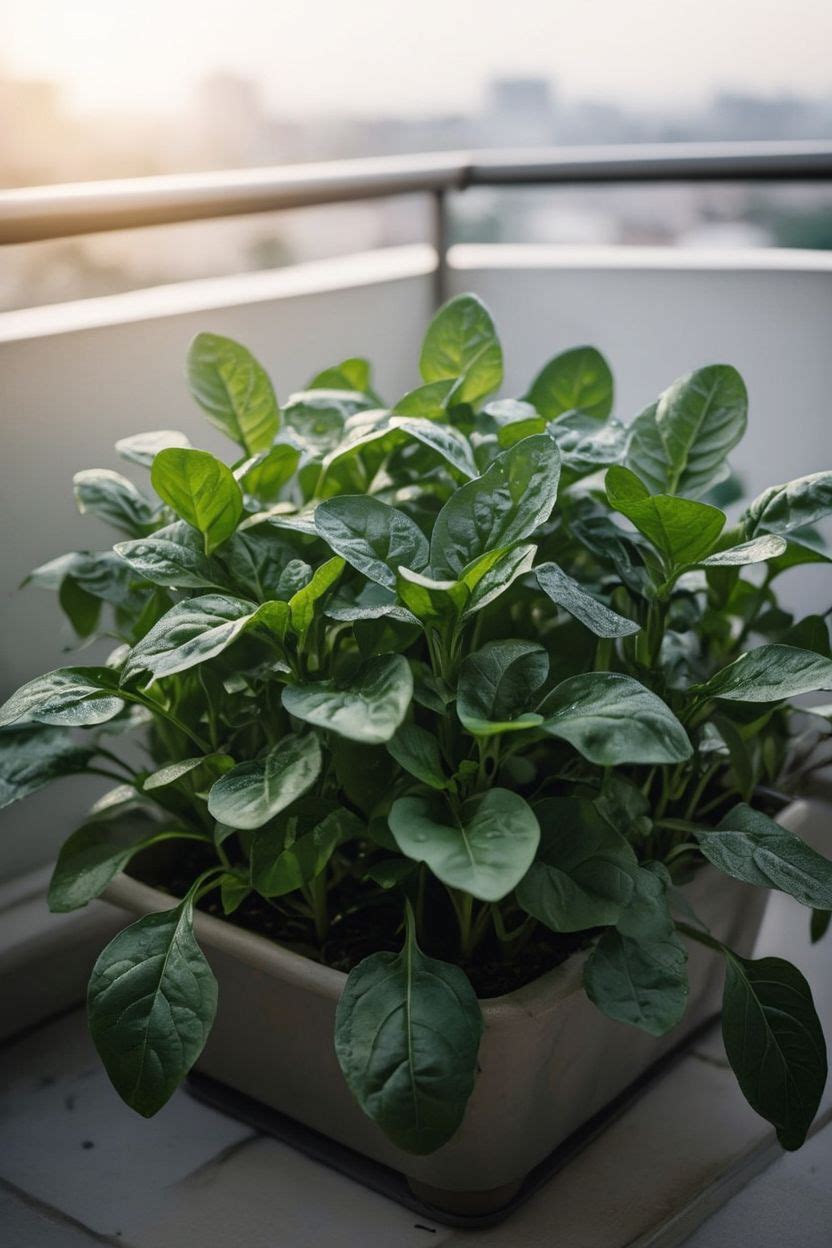
Palak is fast-growing, nutrition-packed, and doesn’t need deep soil. It’s perfect for shallow containers or grow bags.
- Pot size: Any container at least 6 inches deep
- Sunlight: 4–5 hours (tolerates partial shade)
- Time to harvest: 4–6 weeks (cut-and-come-again)
- Best season: October to February
Cut leaves from the outside and the plant keeps growing from the centre. One pot can give you 3–4 harvests.
2.5 Coriander (Dhaniya)
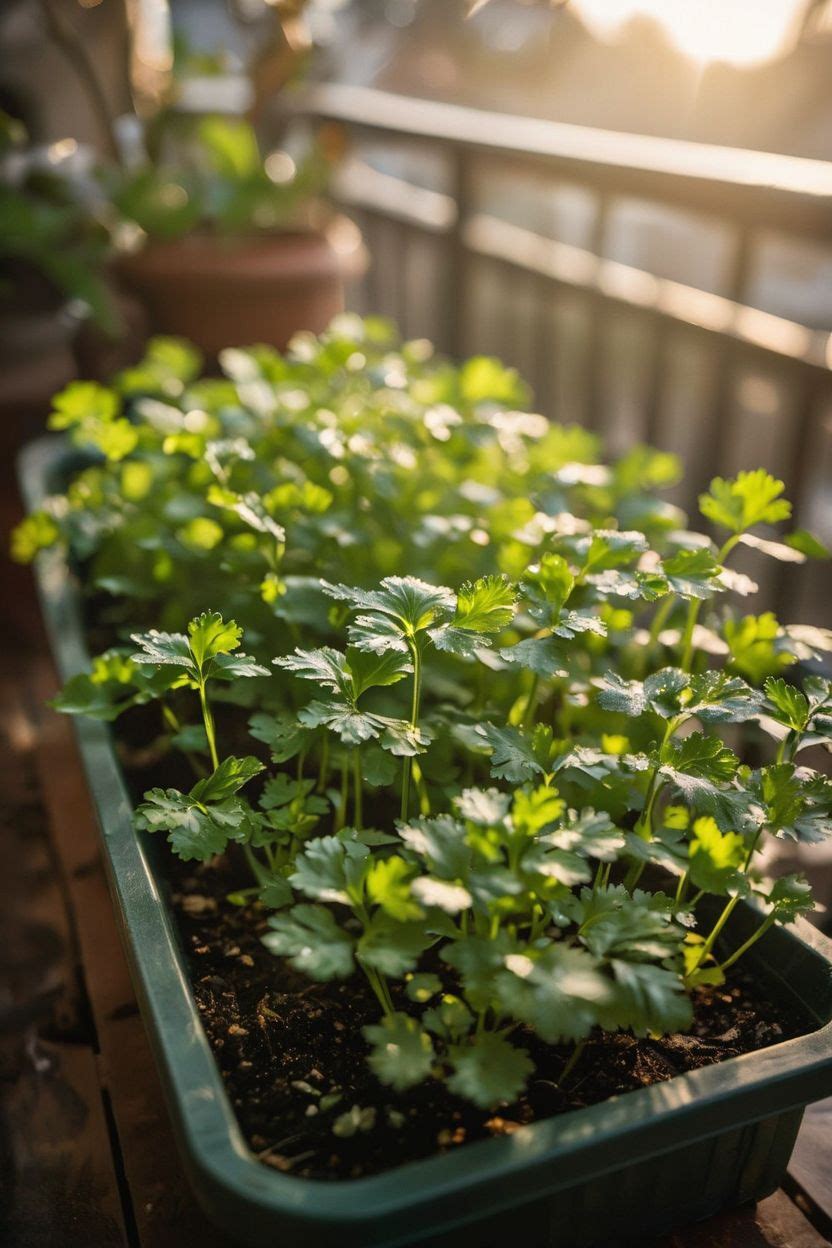
Every Indian kitchen needs coriander. Growing your own means you always have fresh leaves. It’s cheap, fast, and very rewarding.
- Pot size: 8–10 inch pot or a long tray
- Sunlight: 4–5 hours
- Time to harvest: 3–4 weeks
- Best season: October to March (bolts to seed in summer heat)
Crush seeds lightly before sowing so they split and germinate faster. Sow new seeds every 3 weeks for a continuous supply.
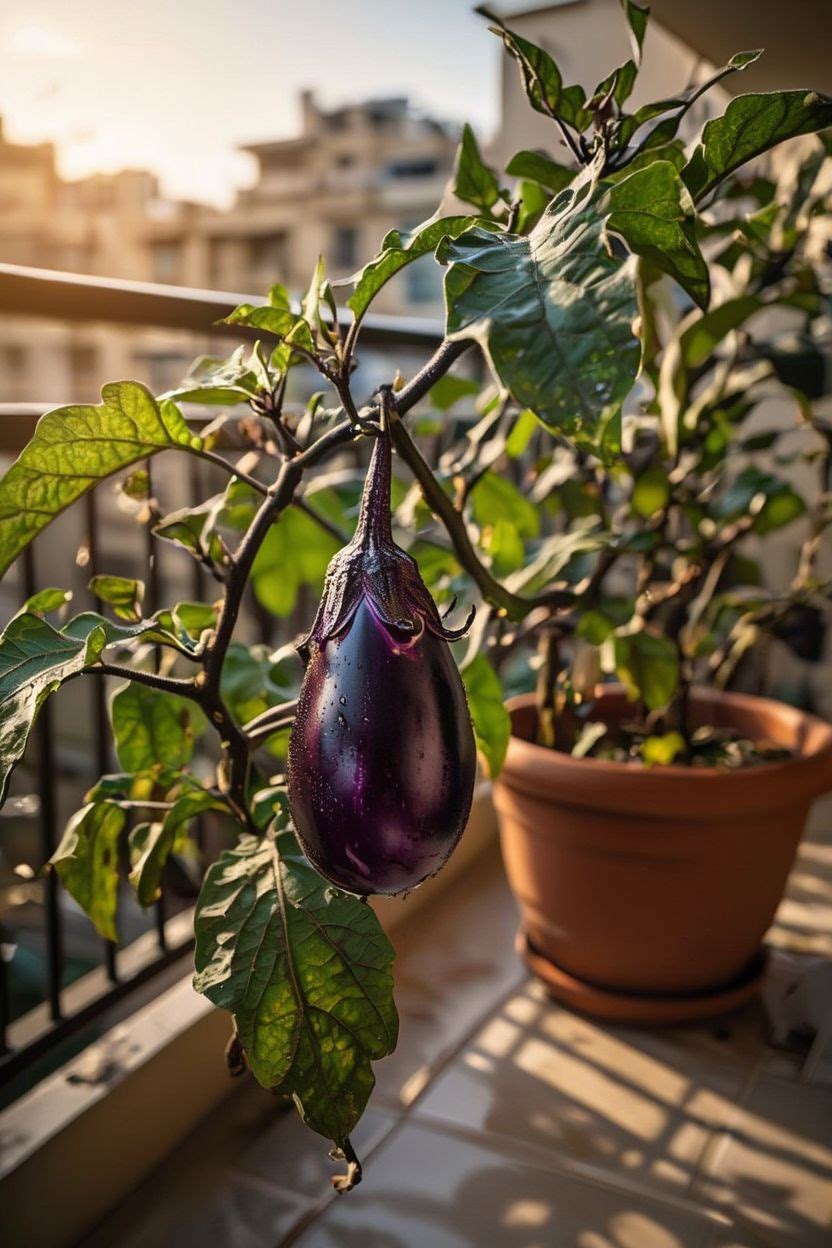
2.6 Brinjal / Eggplant (Baingan)
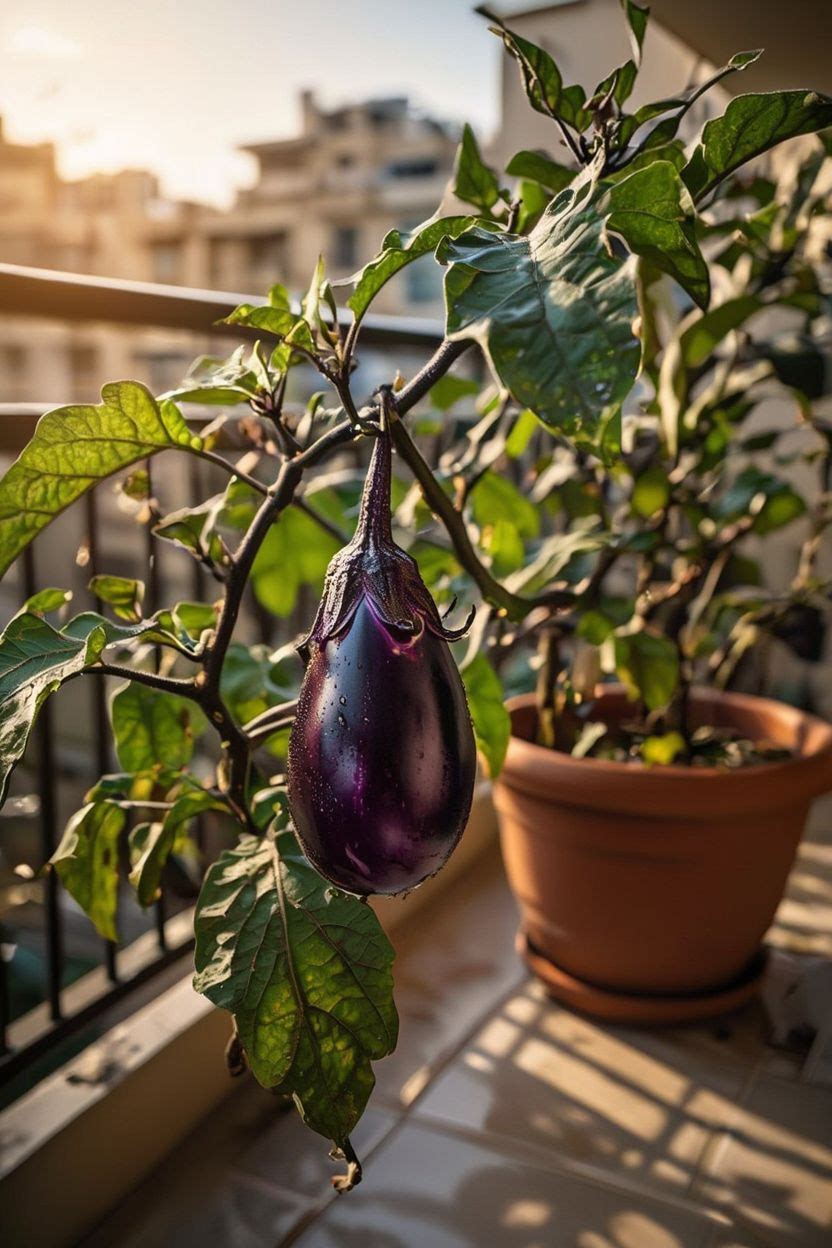
Brinjal is a heat-loving plant that thrives in Indian summers. The small-fruited varieties like the round or long brinjal work best in containers.
- Pot size: 14–16 inch pot
- Sunlight: 6+ hours
- Time to harvest: 70–90 days from seedling
- Best season: February to June; again September to November
It’s a larger plant, so give it room. One healthy plant can produce 10–15 brinjals over a season.
2.7 Beans (Cluster Beans / French Beans)
Climbing beans like cluster beans (gavar) or French beans are great for balconies because they grow vertically. Tie them to a railing or a small trellis and they won’t take up floor space.
- Pot size: 10–12 inch pot; grow in pairs
- Sunlight: 5–6 hours
- Time to harvest: 45–60 days
- Best season: February to April; August to October
Direct sow seeds into the pot — they don’t like being transplanted. Soak seeds overnight before sowing for better germination.
2.8 Curry Leaves (Kadi Patta)
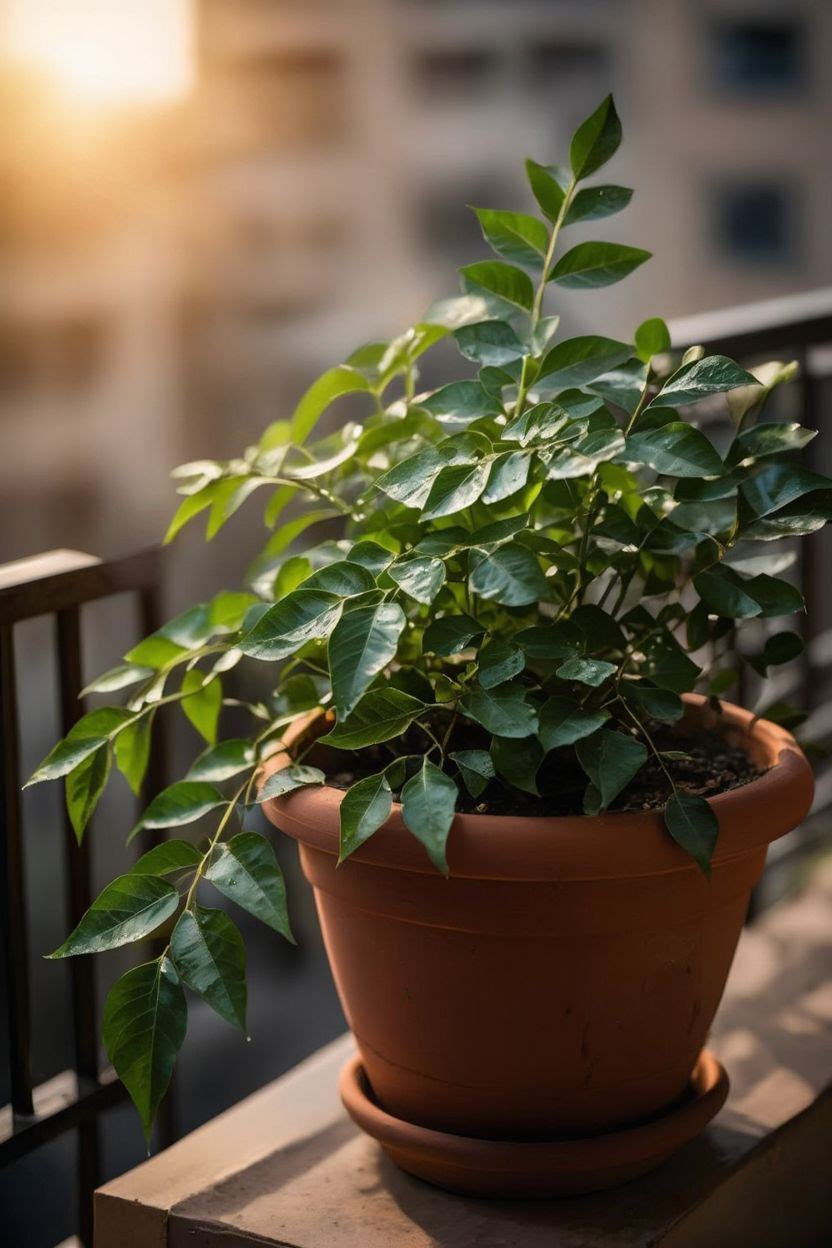
Technically a shrub, curry leaves are a must-have for South Indian cooking. Once established, a single plant gives you leaves for years.
- Pot size: 12–14 inch to start; repot as it grows
- Sunlight: Full sun to partial sun
- Time to harvest: 1–2 years for a good harvest; pick small quantities from year one
- Best season: Plant in spring; it’s largely perennial
This is a long-term investment. Buy a healthy sapling from a nursery. Water regularly and fertilise monthly.
3. Quick Comparison Table
| Vegetable | Pot Size | Sun Needed | Harvest Time | Difficulty | Approx. Cost to Start (₹) |
|---|---|---|---|---|---|
| Methi | Small/shallow | 4 hrs | 3–4 weeks | Very Easy | ₹20–50 (seeds) |
| Coriander | Medium tray | 4–5 hrs | 3–4 weeks | Very Easy | ₹20–50 (seeds) |
| Palak | Shallow | 4–5 hrs | 4–6 weeks | Easy | ₹30–60 (seeds) |
| Chillies | 10–12 inch | 5–6 hrs | 60–90 days | Easy | ₹20–50 (seedling) |
| Tomatoes (Cherry) | 12–14 inch | 6 hrs | 60–80 days | Moderate | ₹30–80 (seedling) |
| Beans | 10–12 inch | 5–6 hrs | 45–60 days | Easy | ₹30–60 (seeds) |
| Brinjal | 14–16 inch | 6 hrs | 70–90 days | Moderate | ₹30–60 (seedling) |
| Curry Leaves | 12–14 inch | 4–6 hrs | 1–2 years | Easy (patient) | ₹50–150 (sapling) |
4. What Pots and Containers Work Best
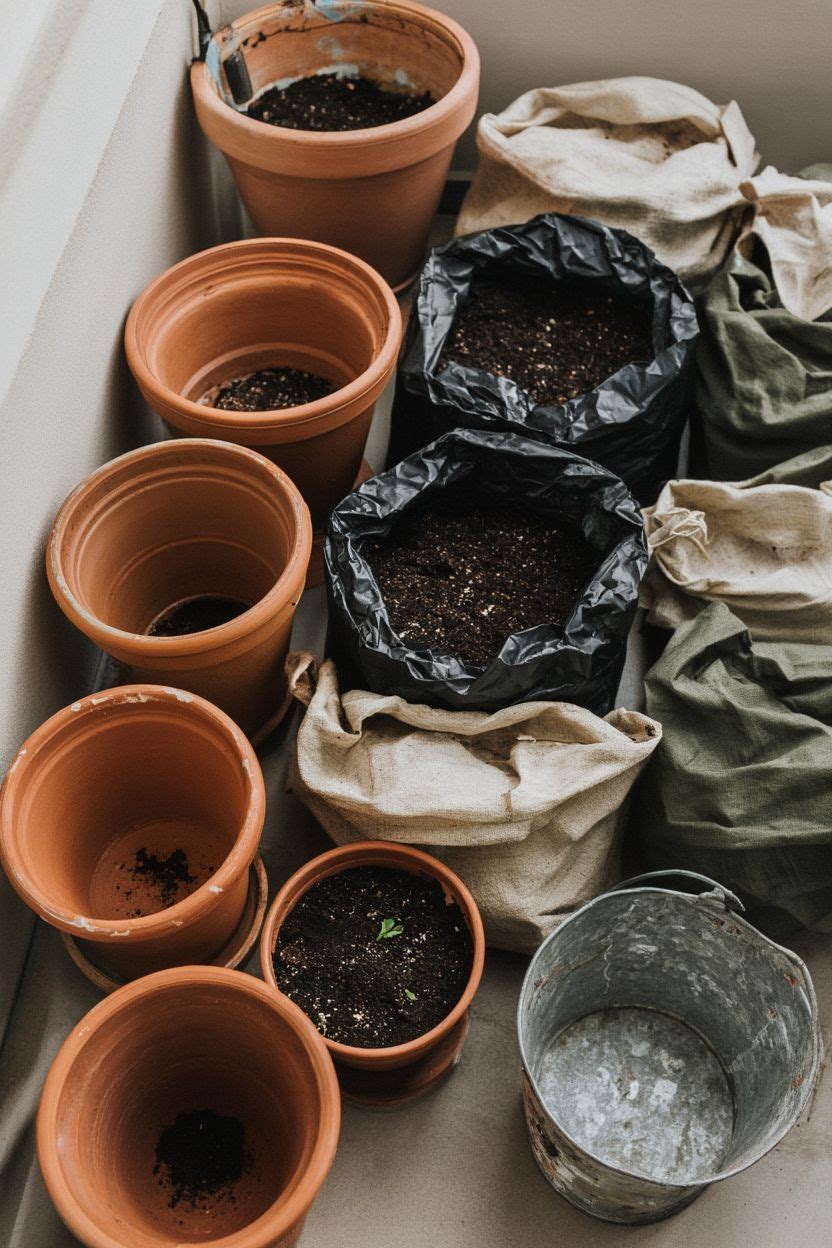
You don’t need to buy fancy pots. Here’s what works:
4.1 Types of Containers
- Plastic grow bags – Cheapest option. ₹15–40 per bag. Excellent drainage. Lightweight and easy to move.
- Terracotta pots – Beautiful and breathable. Better for plants that don’t like wet roots. ₹80–300 depending on size.
- Fabric grow bags – Air-prune roots for healthier plants. ₹60–150. Great for tomatoes and chillies.
- Recycled containers – Old buckets, crates, dabbas, or paint cans work perfectly well. Just drill drainage holes at the bottom.
4.2 Drainage Is Non-Negotiable
Every container must have holes at the bottom. Waterlogged soil kills roots. Place a small piece of mesh or broken pottery over the hole to stop soil washing out.
5. Soil Mix for Balcony Pots
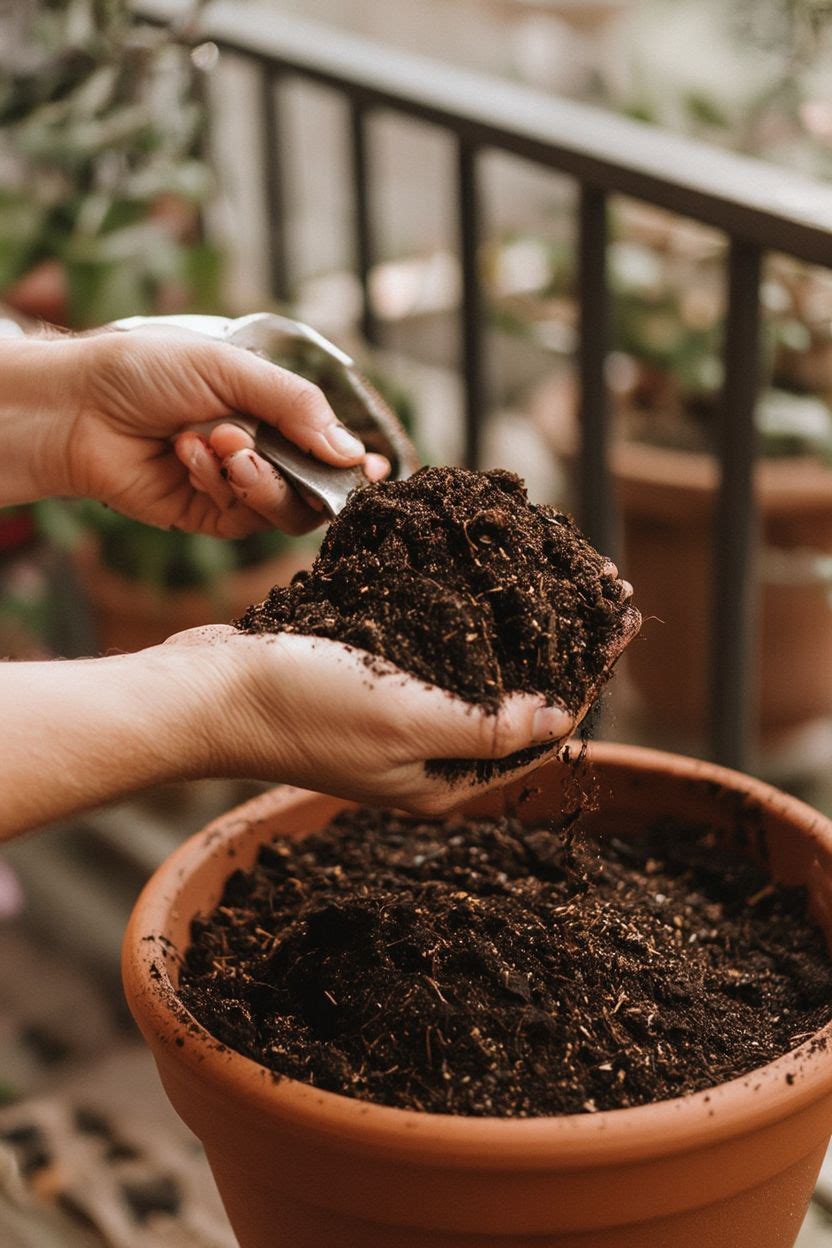
Don’t use regular garden soil in pots — it compacts and drains poorly.
A simple mix that works well:
- 40% cocopeat
- 30% compost (vermicompost or home compost)
- 30% regular garden soil or perlite
This is lightweight, drains well, and holds enough moisture. You can buy ready-made potting mix from nurseries for around ₹100–200 for a 5 kg bag.
6. Watering and Fertilising
6.1 How Often to Water
Pots dry out faster than garden beds. In Indian summers, you may need to water once or twice a day. In winter, every 1–2 days is usually enough.
A simple test: push your finger 1 inch into the soil. If it’s dry, water. If it’s still moist, wait.
6.2 Feeding Your Plants
Potted plants exhaust nutrients quickly. Feed every 2–3 weeks with:
- Vermicompost tea – Soak vermicompost in water overnight, strain, dilute 1:5, and water plants with it. Free if you make your own.
- Banana peel fertiliser – Soak banana peels in water for 2–3 days. Great source of potassium for flowering and fruiting plants.
- Liquid NPK – Available at nurseries and online. Follow the dilution instructions on the packet.
7. Common Problems and Simple Fixes
| Problem | Likely Cause | Fix |
|---|---|---|
| Yellow leaves | Overwatering or lack of nutrients | Reduce watering; add compost |
| Leggy, pale plants | Not enough sunlight | Move to a sunnier spot |
| Holes in leaves | Caterpillars or pests | Spray neem oil solution (5ml + 2 drops soap in 1L water) |
| No fruits on tomatoes | Too hot, poor pollination | Gently shake the plant daily to help pollination |
| Wilting despite watering | Root rot from poor drainage | Repot with fresh soil; ensure drainage holes are clear |
8. Season-Wise Planting Guide for India
| Season | Best Vegetables to Plant |
|---|---|
| October – February (Winter) | Methi, Coriander, Palak, Peas, Lettuce, Tomatoes |
| February – May (Spring/Summer) | Chillies, Brinjal, Cluster Beans, Bitter Gourd |
| June – September (Monsoon) | Difficult season; grow methi, ginger, turmeric |
Final Thoughts
Starting a balcony vegetable garden doesn’t need a big budget, special tools, or years of experience. Pick one or two easy vegetables — methi and coriander are the best starting points — get a couple of grow bags, a bag of potting mix, and just begin.
The first time you cook with something you grew yourself, it will taste different. Better. Because you made it happen.
Start small, learn as you go, and add more plants each season. Before long, your balcony will be doing real work for your kitchen.