Companion Planting Chart for Vegetables: What Grows Well Together
Companion planting is one of the oldest and most effective gardening techniques. It is the practice of growing certain plants close together so they benefit each other — improving growth, repelling pests, attracting pollinators, and making the best use of space.
Instead of using chemical pesticides or synthetic fertilisers, companion planting works with nature to create a healthy, balanced garden. This guide covers everything you need to know, including a complete companion planting chart for the most common vegetables.
1. What is Companion Planting?
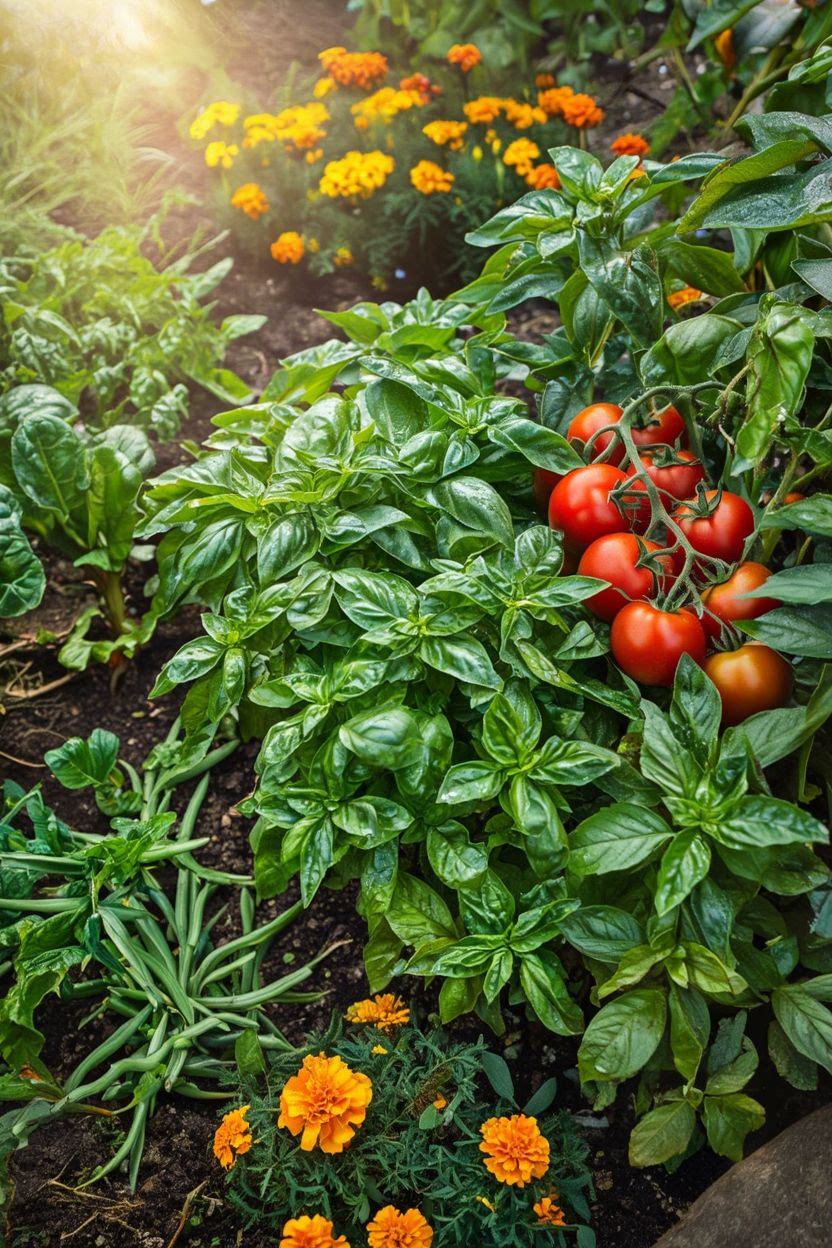
Companion planting means placing plants strategically so they support each other’s growth. Some plants repel insects that damage nearby crops. Others attract beneficial insects like bees and butterflies that help with pollination. Some fix nitrogen in the soil, feeding neighbouring plants naturally.
The concept has been used for centuries. The most famous example is the Three Sisters method used by Native American farmers — growing corn, beans, and squash together. Corn provides a structure for beans to climb, beans fix nitrogen for corn and squash, and squash leaves shade the soil, reducing weeds and retaining moisture.
Modern home gardeners use companion planting to grow more food in less space, reduce pest problems naturally, improve soil health, and increase yields without chemicals.
2. Benefits of Companion Planting
Companion planting offers several practical advantages for home and terrace gardeners.
Natural pest control — Strongly scented plants like basil, marigold, and mint confuse and repel insects that damage vegetables. They act as a natural barrier without any spraying.
Improved pollination — Flowering companions attract bees and other pollinators that increase fruit set on tomatoes, cucumbers, chillies, and beans.
Better soil health — Legumes like beans and peas add nitrogen to the soil through their root nodules, feeding neighbouring plants naturally.
Space efficiency — Tall plants provide shade for low-growing plants that prefer cooler conditions. Ground-cover companions suppress weeds and reduce watering needs.
Higher yields — Gardens with companion plants consistently produce more than monoculture plots because plants are working together rather than competing.
3. Complete Companion Planting Chart for Vegetables
Use this chart to plan your garden layout. Plant companions close together — within 30 to 60 cm — for best results.
Tomatoes
| Good Companions | Bad Companions |
|---|---|
| Basil | Fennel |
| Marigold | Brassicas (cabbage, broccoli) |
| Carrots | Corn |
| Parsley | Potatoes |
| Garlic | |
| Borage |
Why it works: Basil repels aphids and whiteflies and is said to improve tomato flavour. Marigolds deter nematodes in the soil. Garlic repels spider mites. Keep tomatoes away from fennel, which releases chemicals that inhibit tomato growth.
Chillies and Peppers
| Good Companions | Bad Companions |
|---|---|
| Basil | Fennel |
| Marigold | Apricot |
| Carrots | |
| Tomatoes | |
| Spinach (as ground cover) |
Why it works: Basil and marigold repel thrips and aphids that commonly attack chilli plants. Spinach planted around the base acts as a living mulch, retaining soil moisture.
Cucumbers
| Good Companions | Bad Companions |
|---|---|
| Beans | Potatoes |
| Marigold | Strong aromatic herbs |
| Sunflowers | Sage |
| Nasturtium | |
| Dill | |
| Radish |
Why it works: Nasturtium acts as a trap crop, attracting aphids away from cucumbers. Radishes deter cucumber beetles. Sunflowers provide light shade and act as a natural trellis.
Carrots
| Good Companions | Bad Companions |
|---|---|
| Tomatoes | Dill (mature) |
| Onions | Parsnips |
| Leeks | |
| Lettuce | |
| Rosemary | |
| Sage |
Why it works: Onions and leeks repel carrot flies naturally. Tomatoes release a chemical called solanine that deters carrot pests. Avoid planting carrots near mature dill as it stunts carrot growth.
Onions and Garlic
| Good Companions | Bad Companions |
|---|---|
| Carrots | Beans |
| Tomatoes | Peas |
| Lettuce | Sage |
| Beets | |
| Chamomile | |
| Summer Savory |
Why it works: Onions and garlic are excellent pest repellers. Their strong scent confuses insects looking for carrots, tomatoes, and beets. Keep them away from beans and peas — onions stunt legume growth.
Lettuce and Leafy Greens
| Good Companions | Bad Companions |
|---|---|
| Carrots | Celery |
| Radishes | |
| Strawberries | |
| Chives | |
| Garlic | |
| Marigold |
Why it works: Tall plants like tomatoes provide light shade for lettuce, preventing it from bolting in hot weather. Radishes loosen the soil, helping lettuce roots develop. Chives repel aphids.
Beans and Peas
| Good Companions | Bad Companions |
|---|---|
| Carrots | Onions |
| Cucumbers | Garlic |
| Corn | Chives |
| Radishes | Fennel |
| Potatoes | |
| Marigold |
Why it works: Beans fix nitrogen in the soil, feeding nearby heavy feeders like corn and cucumbers. Keep all legumes away from alliums (onions, garlic, chives) — they inhibit each other’s growth.
Brassicas (Cabbage, Broccoli, Cauliflower, Kale)
| Good Companions | Bad Companions |
|---|---|
| Dill | Tomatoes |
| Marigold | Strawberries |
| Nasturtium | Peppers |
| Onions | |
| Celery | |
| Mint (in pots nearby) |
Why it works: Dill and marigold attract beneficial insects that prey on cabbage worms and aphids. Mint repels cabbage moths but plant it in a separate pot as it spreads aggressively.
Potatoes
| Good Companions | Bad Companions |
|---|---|
| Beans | Tomatoes |
| Corn | Cucumbers |
| Cabbage | Pumpkin |
| Marigold | Sunflowers |
| Horseradish | Fennel |
Why it works: Horseradish planted at corners of potato beds improves disease resistance. Marigolds deter Colorado potato beetles. Keep potatoes away from tomatoes as they share diseases like blight.
Corn
| Good Companions | Bad Companions |
|---|---|
| Beans | Tomatoes |
| Squash / Pumpkin | Celery |
| Cucumber | |
| Marigold | |
| Sunflowers |
Why it works: This is the classic Three Sisters combination — corn, beans, and squash grown together. Beans climb the corn stalks, fix nitrogen for the corn, and squash covers the ground retaining moisture and blocking weeds.
Strawberries
| Good Companions | Bad Companions |
|---|---|
| Borage | Brassicas |
| Lettuce | Fennel |
| Spinach | |
| Marigold | |
| Thyme |
Why it works: Borage improves strawberry flavour and deters pests. Thyme repels worms. Marigolds protect against soil nematodes. Keep strawberries away from brassicas which compete for the same nutrients.
4. Universal Companion Plants Every Garden Should Have
Some plants are beneficial companions to almost everything in the garden.
Marigold is the single most useful companion plant. It deters aphids, nematodes, whiteflies, and many soil pests. Plant marigolds as a border around your entire vegetable garden.
Basil repels mosquitoes, aphids, and whiteflies. It is especially beneficial near tomatoes, chillies, and peppers.
Nasturtium acts as a trap crop, drawing aphids away from vegetables. It also attracts beneficial predatory insects and is completely edible.
Borage attracts bees and other pollinators. It also repels tomato hornworms and improves the growth of tomatoes and strawberries.
Chives repel aphids and carrot flies. Plant them as a border near carrots, tomatoes, and roses.
5. Plants to Always Keep Apart
Just as some plants help each other, some should never be planted together.
Fennel is the most problematic plant in a companion garden. It releases chemicals that inhibit growth in nearly every vegetable including tomatoes, peppers, beans, and peas. Grow fennel in a separate pot far from other crops.
Potatoes and tomatoes share the same family and the same diseases. Growing them together spreads blight rapidly through both crops.
Onions and beans stunt each other’s growth significantly. Always keep alliums away from all legumes.
Brassicas and tomatoes compete heavily and slow each other’s development. Keep them at opposite ends of your garden.
6. Companion Planting for Terrace and Container Gardens
Companion planting works just as well in pots and grow bags as it does in ground gardens. Here are easy combinations for terrace gardeners.
Grow basil in the same grow bag as tomatoes or chillies. Plant marigolds in pots at the edges of your terrace to create a pest-repelling border. Grow mint in a separate pot and place it near brassicas to deter moths. Combine lettuce and radishes in a single wide container — they mature at different speeds and use space efficiently. Plant chives around the edges of carrot containers to repel carrot flies.
Even one or two well-chosen companion plants make a noticeable difference to plant health on a terrace garden.
7. Quick Reference: Best Combinations at a Glance
| Vegetable | Best Companion | What It Does |
|---|---|---|
| Tomato | Basil | Repels aphids and whiteflies |
| Tomato | Marigold | Deters soil nematodes |
| Carrot | Onion | Repels carrot fly |
| Cucumber | Nasturtium | Trap crop for aphids |
| Beans | Corn | Beans fix nitrogen for corn |
| Brassicas | Dill | Attracts pest predators |
| Potato | Horseradish | Improves disease resistance |
| Strawberry | Borage | Improves flavour, deters pests |
| Chilli | Marigold | Repels thrips and aphids |
| Lettuce | Chives | Repels aphids |
Final Thoughts
Companion planting is a simple, natural, and cost-free way to improve your vegetable garden. By choosing the right plant neighbours, you create a self-supporting ecosystem where plants protect each other, feed the soil, and produce better harvests without chemicals.
Start by adding marigolds and basil to your existing garden — these two companions alone will make a visible difference. Then use this chart to plan your next season with companion planting in mind from the very beginning.
A garden that works together grows better together.