Cucumber Trellis Ideas: Best Ways to Grow Cucumbers Vertically
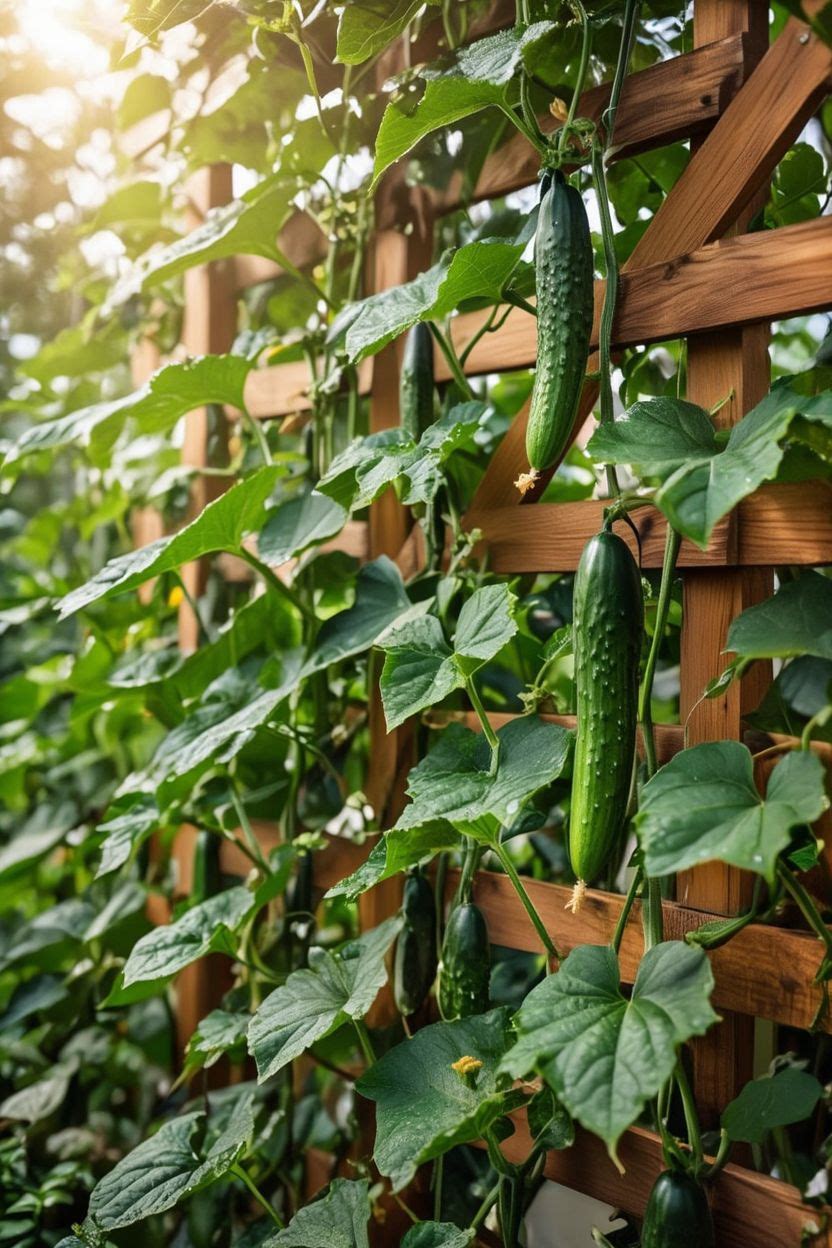
Growing cucumbers vertically on a trellis is one of the smartest ways to save space, improve air circulation, and get a healthy harvest. Whether you have a small terrace, backyard, or garden bed, a trellis helps cucumber vines grow upward instead of sprawling across the ground.
Below is a complete guide to cucumber trellis ideas, covering types of trellises, how to build them, vine training tips, fruit support methods, and care advice for vertical cucumber growing.
—
 —
—
1. Why Use a Trellis for Cucumbers
Growing cucumbers on a trellis offers many advantages over ground sprawling.
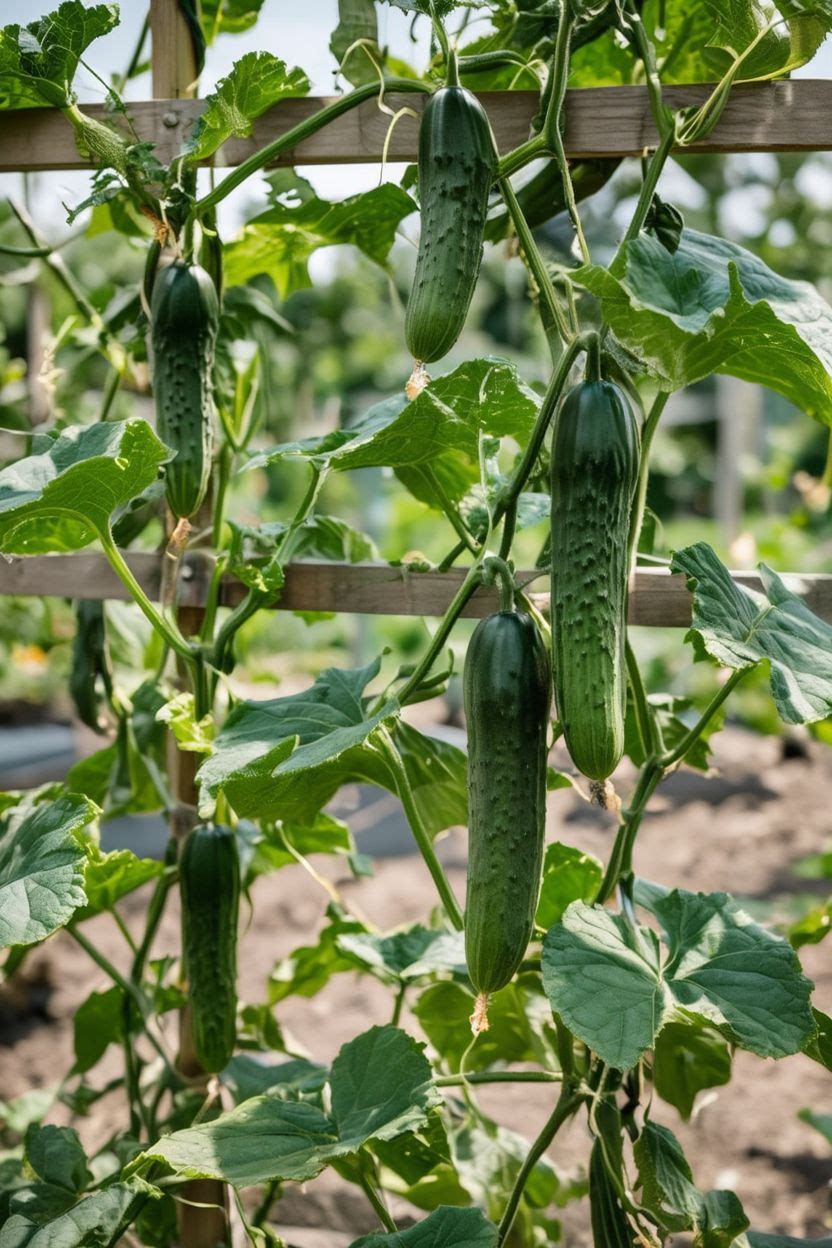
Vertical growing saves significant garden space, making it ideal for small terraces and compact gardens. Trellised cucumbers receive better airflow around the leaves and vines, which reduces the risk of fungal diseases like powdery mildew. Fruits grown off the ground are straighter, cleaner, and easier to spot during harvesting.
A trellis also makes watering, pruning, and pest inspection much more convenient.
 —
—
2. Best Types of Cucumber Trellis Structures
Choosing the right trellis structure depends on your space, budget, and the cucumber variety you plan to grow.
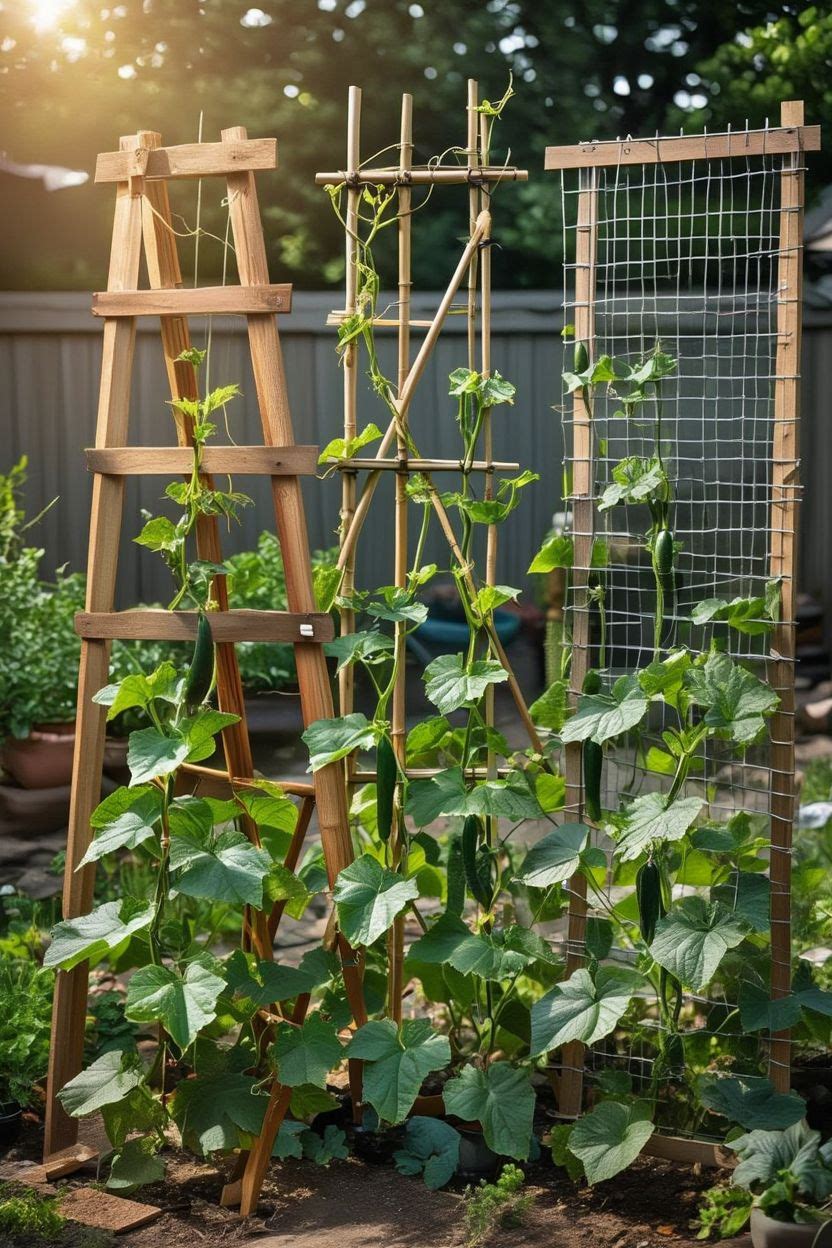
A wooden A-frame trellis is one of the most popular choices for home gardens. It is sturdy, easy to build, and provides excellent support for most cucumber varieties. A cattle panel arch trellis works well for larger gardens and creates a strong wide arch that supports heavy vines comfortably.
For terrace and balcony gardens, a bamboo pole trellis or wire mesh trellis fixed to a wall is a practical and affordable option. A rope or jute net trellis is another lightweight and inexpensive choice that works well for container gardens on terraces.
 —
—
3. How to Build a Simple Cucumber Trellis at Home
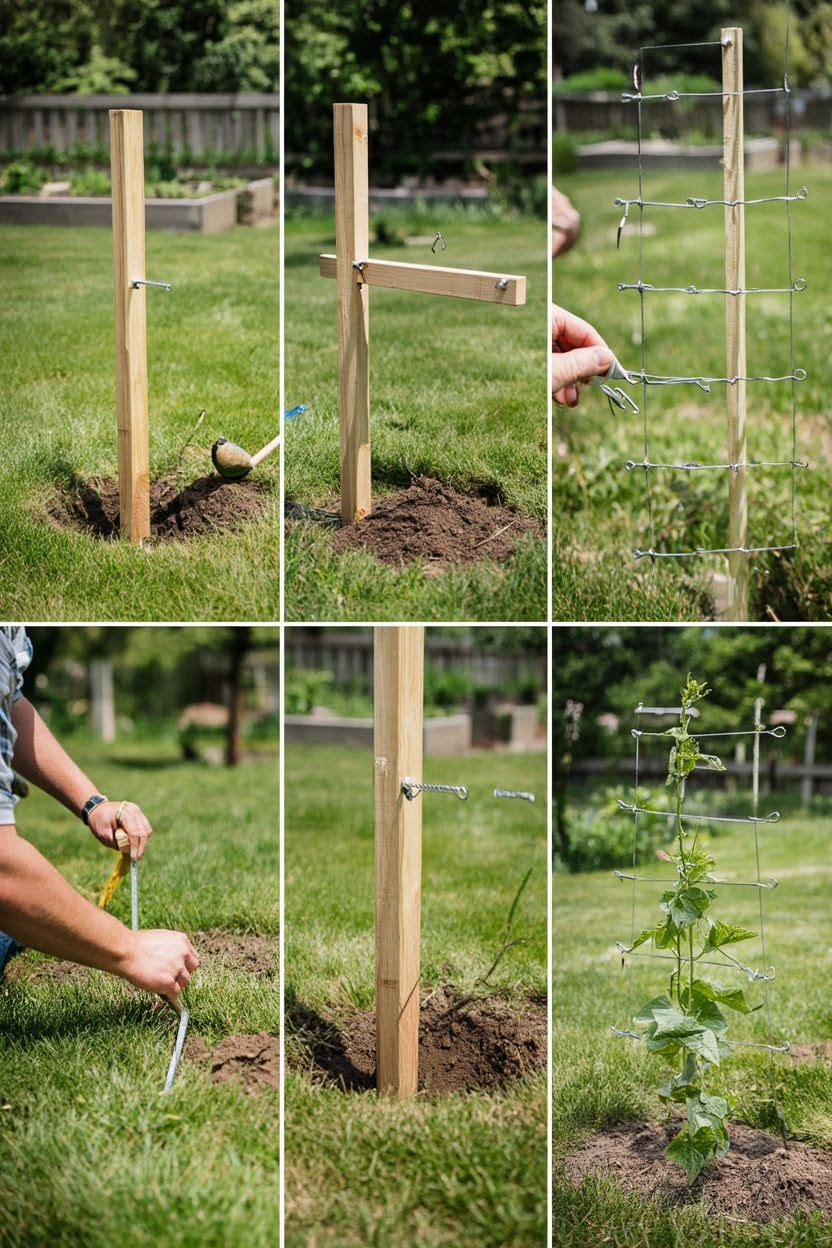
Building a basic cucumber trellis at home requires only a few materials and minimal effort.
Use two strong wooden or metal poles of at least five to six feet height. Drive them firmly into the ground or secure them in heavy pots filled with sand or cement for terrace use. Stretch horizontal wires, rope, or bamboo sticks across the poles at intervals of six to eight inches. Tie all connections tightly to ensure the structure can hold the weight of growing vines and fruits.
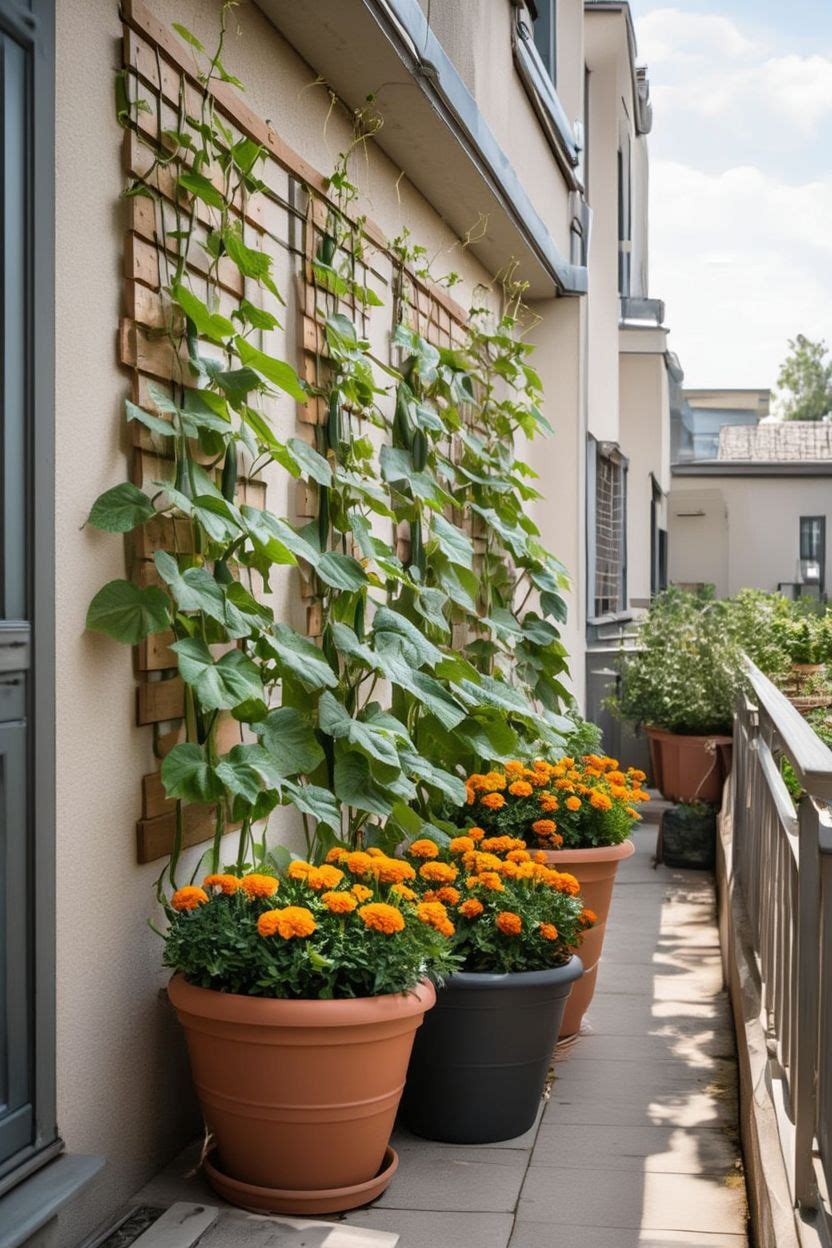
For wall-mounted trellises on terraces, fix a strong wire mesh or jute net directly onto the wall using hooks and secure it well before training vines onto it.
 —
—
4. Training Cucumber Vines onto the Trellis
Proper vine training ensures your cucumber plant grows upward neatly and develops well.
Once the cucumber seedling establishes its first few true leaves, gently guide the main vine toward the trellis. Use soft garden ties, strips of old cloth, or jute twine to loosely attach the vine to the trellis at multiple points. Avoid tying too tightly as vines need room to thicken as they grow.
Pinch off side shoots growing away from the trellis to encourage the main vine to climb higher. As the vine grows, continue tying new growth upward every few days for neat and organised growth.
5. Supporting Cucumber Fruits on the Trellis
Cucumber fruits are lighter than pumpkins but still benefit from proper support on the trellis.
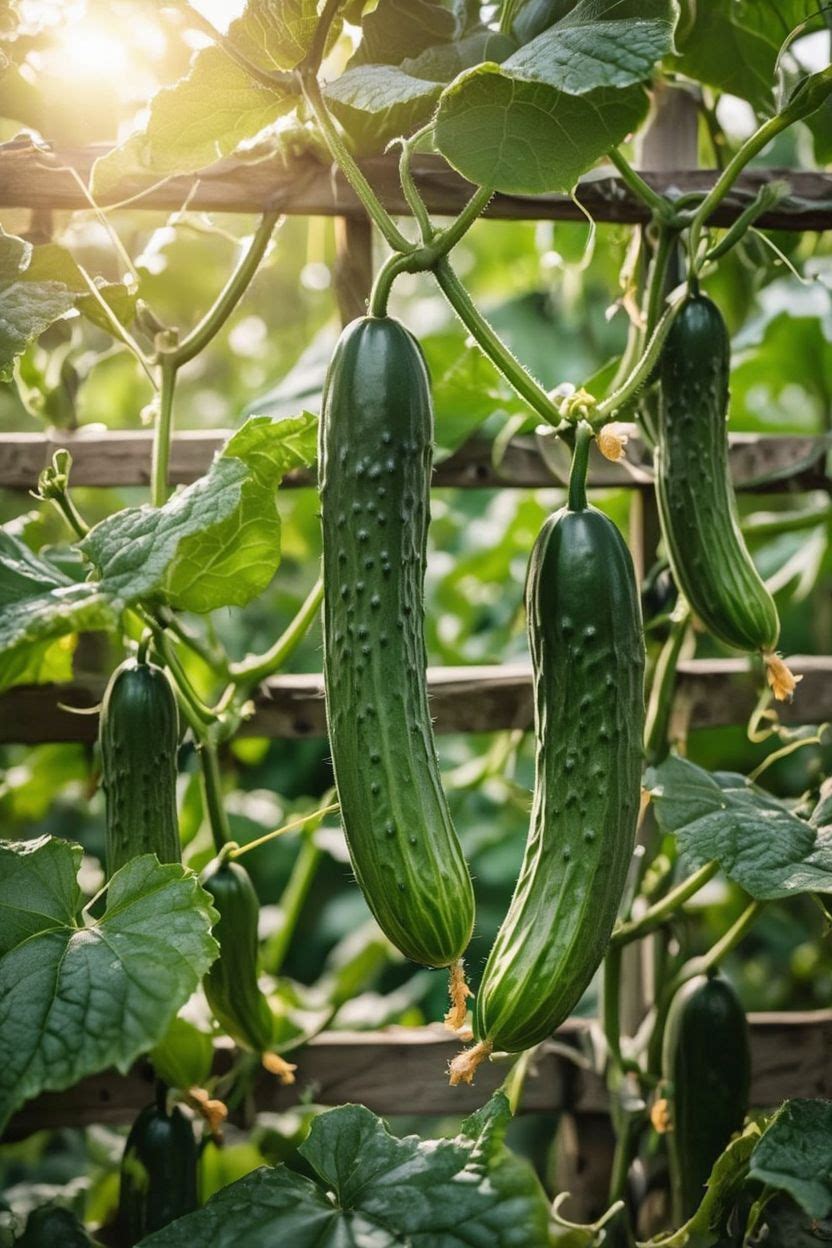
As cucumbers develop, ensure the fruit hangs freely without being pressed against the trellis wires. For longer cucumber varieties, a small cloth sling can be used to prevent the fruit from bending or snapping the vine. Cucumbers grown vertically tend to grow straighter and longer compared to ground-grown fruits.
Harvest cucumbers regularly once they reach the right size to encourage the plant to produce more fruits continuously.
 —
—
6. Best Cucumber Varieties for Trellis Growing
Most cucumber varieties grow well on a trellis but some perform better than others in vertical gardens.
Climbing varieties like Straight Eight, Marketer, and English Telegraph are excellent choices for trellis growing as they produce long straight fruits and strong vines. Bush cucumber varieties are more compact and work well in containers with a small trellis support. For terrace gardens, hybrid varieties like Hilton and Saber are popular as they are disease resistant and highly productive.
Choose a variety based on your climate, available space, and whether you prefer slicing or pickling cucumbers.
 —
—
7. Care and Maintenance of Trellised Cucumbers
Trellised cucumbers need regular care to grow healthy and productive.
Water at the base of the plant and avoid wetting the leaves to reduce the risk of fungal infection. Add organic compost or a balanced fertiliser every three to four weeks to keep the plant well-nourished. Inspect the trellis structure regularly to ensure all ties and supports are secure as the plant grows heavier.
Watch for common pests like aphids, spider mites, and cucumber beetles. Neem oil spray applied every two weeks helps manage pests naturally without harming the plant.
8. Space-Saving Tips for Terrace Cucumber Growers
Growing cucumbers on a terrace requires a few additional space-saving strategies.
Use large containers of at least twelve to fifteen litres to give cucumber roots enough space to develop. Place the container close to a wall-mounted trellis or a freestanding trellis to keep the vine contained and organised. Companion planting with marigolds or basil around the base of cucumber containers helps deter pests and makes the best use of limited terrace space.
Climbing cucumber varieties are especially well-suited to terrace containers and produce a fresh and continuous harvest throughout the growing season.
 —
—
Final Thoughts
Growing cucumbers on a trellis is a practical and rewarding approach that works well for gardens of all sizes, including small terraces. With the right trellis structure, proper vine training, and regular care, you can enjoy a fresh and healthy cucumber harvest without needing a large ground space.
Start with a climbing variety, build a simple trellis, and let your cucumber vines grow upward — the results are always worth the effort. ```