What is Hydroponic Gardening: Types, Budget & How Long It Takes
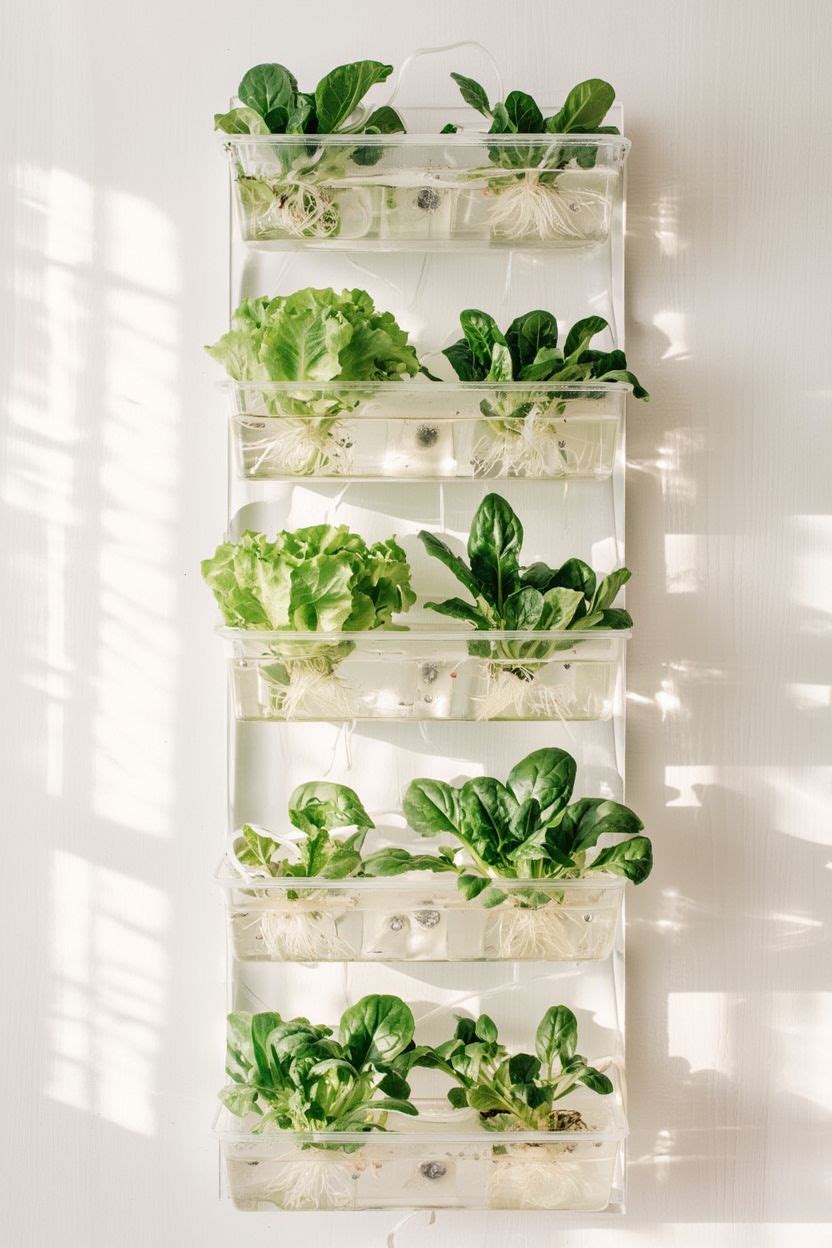
Hydroponic gardening is a modern method of growing plants without soil. Instead of soil, plants get their nutrients directly through water mixed with minerals. This method is gaining popularity among home gardeners, apartment dwellers, and urban farmers because it uses less space, less water, and produces faster results than traditional gardening.
If you are curious about hydroponics and want to know where to begin, this guide covers everything — what it is, the different types, how much it costs, and how long it takes to see results.
 (https://pin.it/7lUjMvDT6)
1. What is Hydroponic Gardening?
Hydroponic gardening is the practice of growing plants in a nutrient-rich water solution instead of soil. The roots of the plant are either submerged in, misted with, or regularly flooded by this water solution, giving them direct access to everything they need to grow.
Because the plant does not need to search through soil for nutrients, it spends more energy on growing leaves, fruits, and roots. This is why hydroponic plants often grow faster and produce higher yields compared to soil-based gardening.
Hydroponics works indoors, outdoors, on terraces, in basements, and even in small apartments. All you need is a basic setup, water, nutrients, and light.
2. Types of Hydroponic Systems
There are six main types of hydroponic systems. Each has its own method of delivering water and nutrients to the plant roots.
A. Deep Water Culture (DWC)
This is the most popular and beginner-friendly system. Plants are placed in net pots that sit above a reservoir filled with nutrient solution. The roots hang down directly into the water. An air pump keeps oxygen flowing through the water so roots do not rot.
Best for: Lettuce, spinach, herbs, and leafy greens
Difficulty: Easy
Cost to start: ₹1,500 – ₹4,000
B. Nutrient Film Technique (NFT)
In this system, a thin stream of nutrient solution flows continuously over the roots in a sloped channel or tube. The roots absorb nutrients as the water passes over them, and excess water is recycled back to the reservoir.
Best for: Lettuce, strawberries, herbs
Difficulty: Intermediate
Cost to start: ₹3,000 – ₹8,000
C. Ebb and Flow (Flood and Drain)
This system floods the grow tray with nutrient solution at regular intervals and then drains it back into the reservoir. A timer controls the pump that manages flooding and draining cycles.
Best for: Tomatoes, peppers, beans, cucumbers
Difficulty: Intermediate
Cost to start: ₹4,000 – ₹10,000
D. Wick System
The wick system is the simplest hydroponic method. A wick — usually cotton rope — draws nutrient solution from a reservoir up to the plant’s growing medium by capillary action. No electricity or pump is needed.
Best for: Herbs, small leafy plants
Difficulty: Very Easy
Cost to start: ₹500 – ₹2,000
E. Drip System
In a drip system, nutrient solution is delivered directly to the base of each plant through small drip emitters connected to a pump and timer. Excess solution drains back into the reservoir in a recirculating system.
Best for: Tomatoes, cucumbers, chillies, larger vegetables
Difficulty: Intermediate to Advanced
Cost to start: ₹5,000 – ₹15,000
F. Aeroponics
This is the most advanced hydroponic method. Plant roots are suspended in air and misted with nutrient solution at regular intervals. Because roots get maximum oxygen exposure, this system produces the fastest plant growth.
Best for: Lettuce, herbs, high-value crops
Difficulty: Advanced
Cost to start: ₹10,000 – ₹30,000+
3. Budget Required for Hydroponic Gardening
Your budget depends on the type of system you choose and the scale you want to start with. Here is a simple breakdown:
Beginner Setup (Small Scale at Home)
A basic wick system or small DWC setup for 4 to 6 plants is affordable and easy to manage.
| Item | Approximate Cost |
|---|---|
| Container or reservoir | ₹200 – ₹500 |
| Net pots | ₹100 – ₹200 |
| Growing medium (cocopeat / clay pebbles) | ₹200 – ₹400 |
| Nutrient solution (starter kit) | ₹300 – ₹600 |
| Air pump (for DWC) | ₹300 – ₹700 |
| Seeds | ₹100 – ₹300 |
| Total Estimate | ₹1,200 – ₹2,700 |
Intermediate Setup (Terrace or Room Garden)
For 10 to 20 plants using NFT or ebb and flow systems with grow lights:
| Item | Approximate Cost |
|---|---|
| NFT or ebb and flow kit | ₹3,000 – ₹6,000 |
| Grow lights (LED panel) | ₹2,000 – ₹5,000 |
| Nutrients (3-month supply) | ₹800 – ₹1,500 |
| Timer and pump | ₹500 – ₹1,000 |
| pH meter | ₹500 – ₹1,200 |
| Total Estimate | ₹6,800 – ₹14,700 |
Advanced Setup (Indoor Grow Room or Large Terrace)
For serious growers with drip or aeroponic systems running 30 or more plants:
| Item | Approximate Cost |
|---|---|
| Full system kit | ₹10,000 – ₹25,000 |
| High-output LED grow lights | ₹5,000 – ₹15,000 |
| Nutrients, EC/pH meters | ₹2,000 – ₹4,000 |
| Climate control fan, timer | ₹2,000 – ₹5,000 |
| Total Estimate | ₹19,000 – ₹49,000+ |
Tip: Start small with a wick or DWC system. Once you understand how nutrients and pH work, you can scale up confidently without wasting money.
4. How Long Does Hydroponic Gardening Take?
One of the biggest advantages of hydroponics is speed. Plants grow significantly faster than in soil because nutrients are delivered directly to the roots.
Time to First Harvest by Plant Type
| Plant | Time to Harvest (Hydroponic) | Time to Harvest (Soil) |
|---|---|---|
| Lettuce | 25 – 35 days | 45 – 60 days |
| Spinach | 20 – 30 days | 40 – 50 days |
| Coriander / Cilantro | 20 – 25 days | 40 – 45 days |
| Mint | 25 – 30 days | 45 – 60 days |
| Tomatoes | 60 – 80 days | 90 – 120 days |
| Chillies | 70 – 90 days | 100 – 130 days |
| Strawberries | 60 – 90 days | 120 – 150 days |
| Cucumber | 50 – 70 days | 70 – 90 days |
Setup Time
- A wick or DWC system can be set up in 1 to 2 hours
- Seeds typically germinate in 3 to 7 days
- Seedlings are ready to transfer to the hydroponic system in 7 to 14 days
- First harvest for leafy greens can begin in 3 to 5 weeks from seeding
5. What Nutrients Do Hydroponic Plants Need?
Since there is no soil, you must provide all nutrients through the water. Hydroponic nutrients come in liquid or powder form and are mixed with water in precise ratios.
The three main nutrients are nitrogen for leaf growth, phosphorus for root and flower development, and potassium for overall plant health and fruit production. Most hydroponic nutrient kits are labeled A and B and are mixed before use.
Always monitor pH levels. Hydroponic plants grow best when the water pH stays between 5.5 and 6.5. A simple pH meter and pH up or down solution help maintain this balance.
6. Key Advantages of Hydroponic Gardening
Hydroponic gardening offers several benefits over traditional soil gardening:
- Plants grow 30 to 50 percent faster than in soil
- Uses up to 90 percent less water through recirculation
- No weeding, no soil-borne pests, and fewer diseases
- Can be done indoors year-round with grow lights
- Higher yields in smaller spaces
- No heavy soil bags needed — ideal for terraces and balconies
7. Common Mistakes to Avoid
Beginners often make a few simple mistakes when starting hydroponics. Always check and maintain proper pH levels, as wrong pH blocks nutrient absorption even when nutrients are present. Do not over-feed plants — always follow nutrient mixing instructions. Ensure your reservoir has an air pump in DWC systems to prevent root rot. Keep grow lights at the correct distance to avoid burning or stretching plants.
Final Thoughts
Hydroponic gardening is one of the most efficient and rewarding ways to grow food at home. Whether you start with a simple wick system for ₹1,500 or build a full indoor grow room, the results are faster and more productive than traditional gardening.
Start with leafy greens like lettuce or spinach — they are forgiving, grow quickly, and will give you confidence to expand your hydroponic garden step by step.
Images and Pinterest pin links will be added once visuals are ready.