10 Best Tiny Balcony Garden Ideas — Plant List, Soil, Water & Growing Guide for Beginners
A tiny balcony can become one of the most beautiful, lush and rewarding gardens you will ever grow. You do not need a big plot of land — just the right plants, the right containers and a little know-how to transform even the smallest outdoor space into a blooming paradise.
These 10 best plants for a tiny balcony garden are all container-friendly, beginner-proof and absolutely stunning together. Each one comes with complete growing details — soil, watering, how to grow, how long until it blooms and where to position it on your balcony for the best results.
1. Lavender (Lavandula angustifolia)
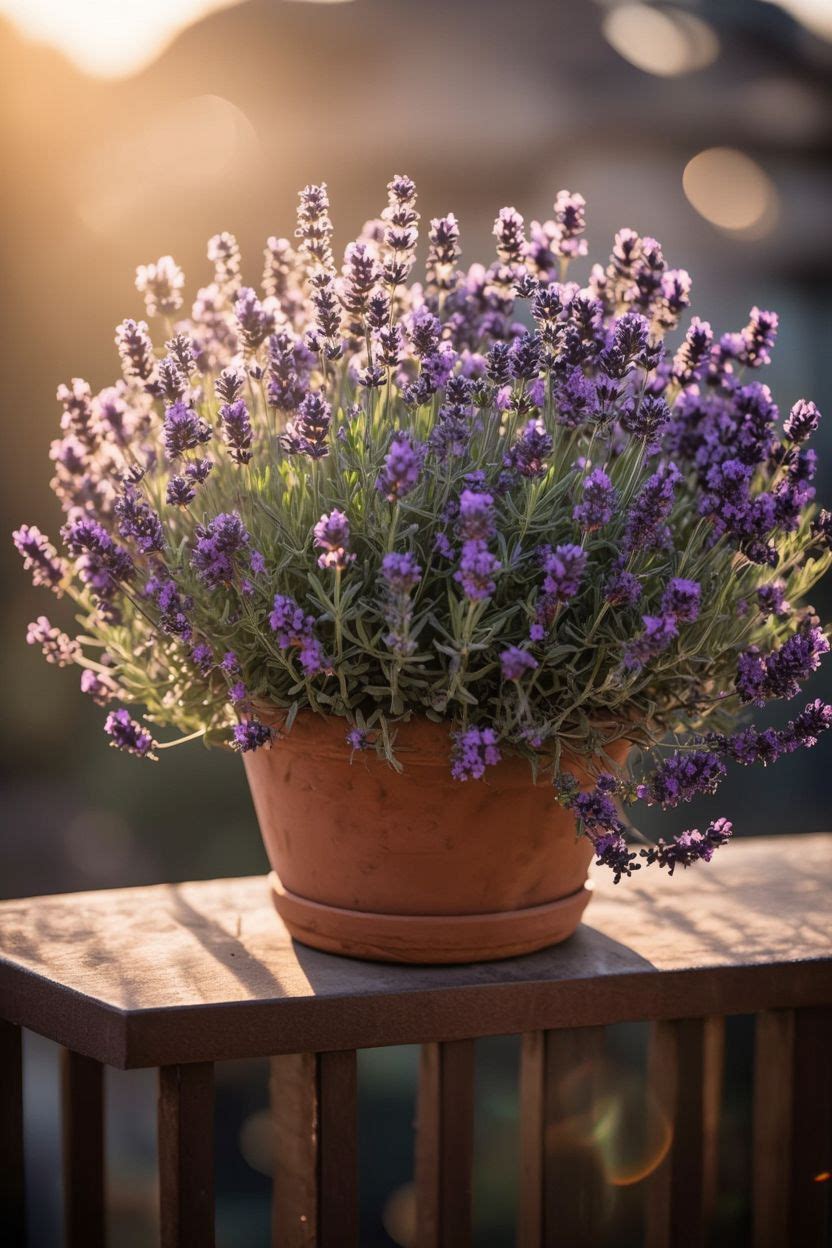
Lavender is one of the most perfect balcony plants in existence — compact, fragrant, drought-tolerant and breathtakingly beautiful in full bloom. It thrives in containers, loves reflected heat from walls and railings, and fills your outdoor space with the most heavenly scent all summer long.
How to Grow Lavender on a Balcony
Lavender is made for balcony life. The key rule: never let it sit in waterlogged compost.
- Container size: Minimum 25–30 cm (10–12 inch) pot
- Start seeds: 8–10 weeks indoors before last frost, or buy a young plant for instant results
- Germination: 14–21 days
- Spacing: One plant per 25 cm pot, or 30 cm apart in a long window box
- Care: Prune lightly after first bloom to encourage reblooming. Never cut into old woody stems.
Soil Needed
Well-drained, sandy or gritty compost. Mix standard multipurpose compost 50/50 with horticultural grit or perlite. pH 6.5–7.5. Lavender actively prefers poor, lean soil — do not add fertilizer as this produces lush leaves at the expense of flowers.
Watering Guide
Water sparingly — only when the top 2–3 cm of compost is completely dry. In summer, this may mean once or twice a week at most. Overwatering is the single most common cause of lavender death in containers. When in doubt, do not water.
Cultivation Duration
- Time to first bloom from seed: 12–16 weeks
- Plant type: Hardy perennial
- Lifespan: Reliable for 8–12 years in containers with correct care
Bloom Season
June – September
Best Balcony Position
🪴 Sunny railing side or sunniest corner. Lavender demands 6+ hours of direct sun daily. Place pots right at the railing where sun and heat are maximum. Pairs beautifully with roses and geraniums in neighbouring pots.
Varieties to try: Hidcote (deep purple, compact — ideal for pots), Munstead (pale purple, very hardy), Little Lottie (dwarf, perfect for small balconies)
💡 Beginner Tip: Terra cotta pots are perfect for lavender — they allow moisture to evaporate through the sides, reducing the risk of root rot dramatically.
2. Tumbling Tom Tomato (Solanum lycopersicum)
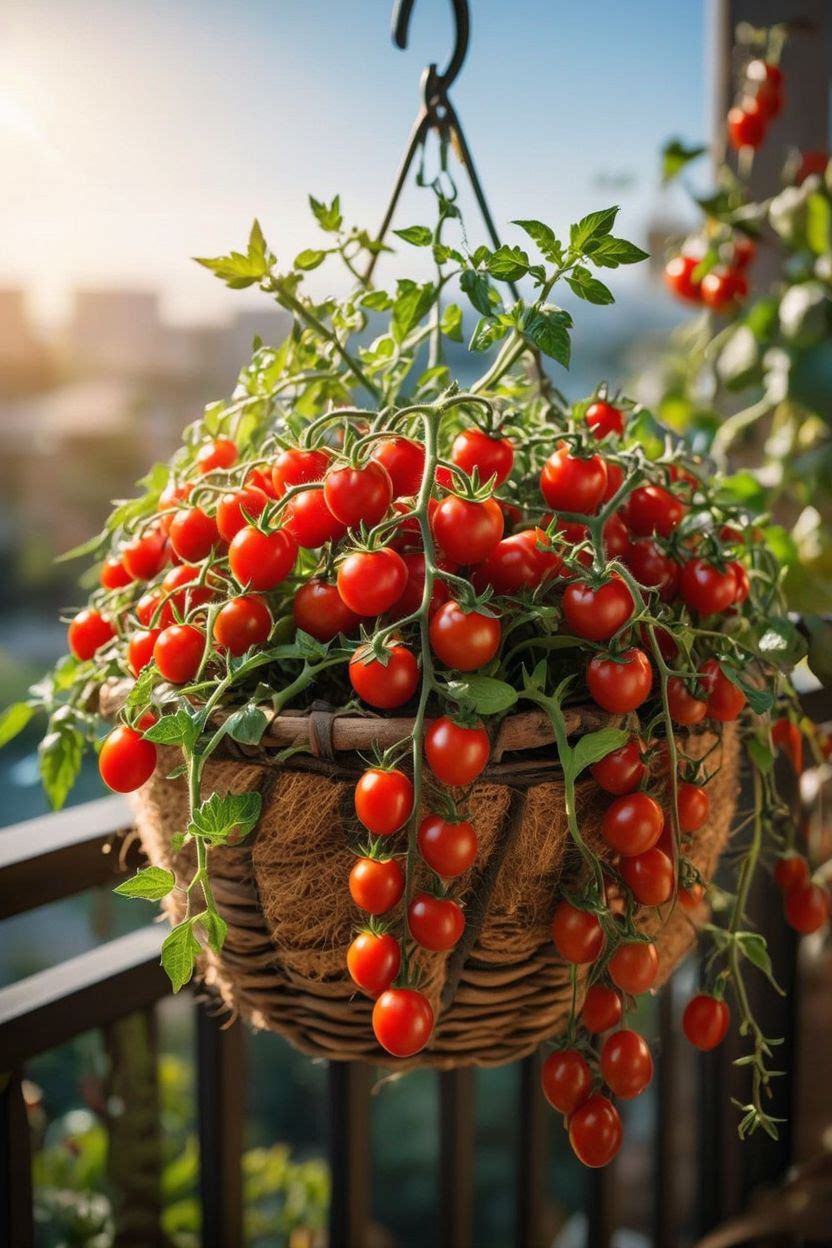
Tumbling Tom is the ultimate balcony vegetable — a compact, trailing tomato variety bred specifically for hanging baskets and containers. Its cascading stems spill over pot edges with dozens of sweet cherry tomatoes all summer long. Beautiful AND delicious.
How to Grow Tumbling Tom on a Balcony
- Container size: 25–30 cm hanging basket or deep pot
- Start seeds: Indoors 6–8 weeks before last frost on a warm, sunny windowsill
- Germination: 7–14 days at 18–25°C (65–77°F)
- Spacing: One plant per 25–30 cm hanging basket
- Care: No pinching out side shoots needed (unlike upright varieties). Water consistently and feed weekly once flowers appear.
Soil Needed
Rich, fertile, moisture-retaining compost. Use a premium peat-free multipurpose compost enriched with slow-release fertilizer granules at planting time. pH 6.0–6.8. Unlike flowers, tomatoes thrive in rich, fertile growing medium — the richer the better.
Watering Guide
Tomatoes in containers are thirsty — check daily and water whenever the top 2 cm of compost feels dry. In hot weather this may mean watering twice a day. Inconsistent watering causes blossom end rot and split tomatoes. Once fruiting begins, switch to weekly liquid tomato feed (high potassium).
Cultivation Duration
- Time to first fruit from seed: 14–16 weeks
- Plant type: Annual (grow fresh each year)
- Harvest period: June – October (depending on start date)
Bloom Season / Harvest
June – October (continuous fruit production once established)
Best Balcony Position
🪴 Hang directly from railing hooks or bracket arms in full sun. South or southwest-facing balconies are ideal. The trailing habit means the plant grows outward and downward, making it perfect displayed at height.
Varieties to try: Tumbling Tom Red, Tumbling Tom Yellow (sweeter flavour), Hundreds and Thousands (tiny fruit, prolific)
💡 Beginner Tip: Place a saucer under the pot and water until it drains freely. This ensures the roots deep in the pot are fully hydrated rather than just the surface.
3. Petunia (Petunia × hybrida)
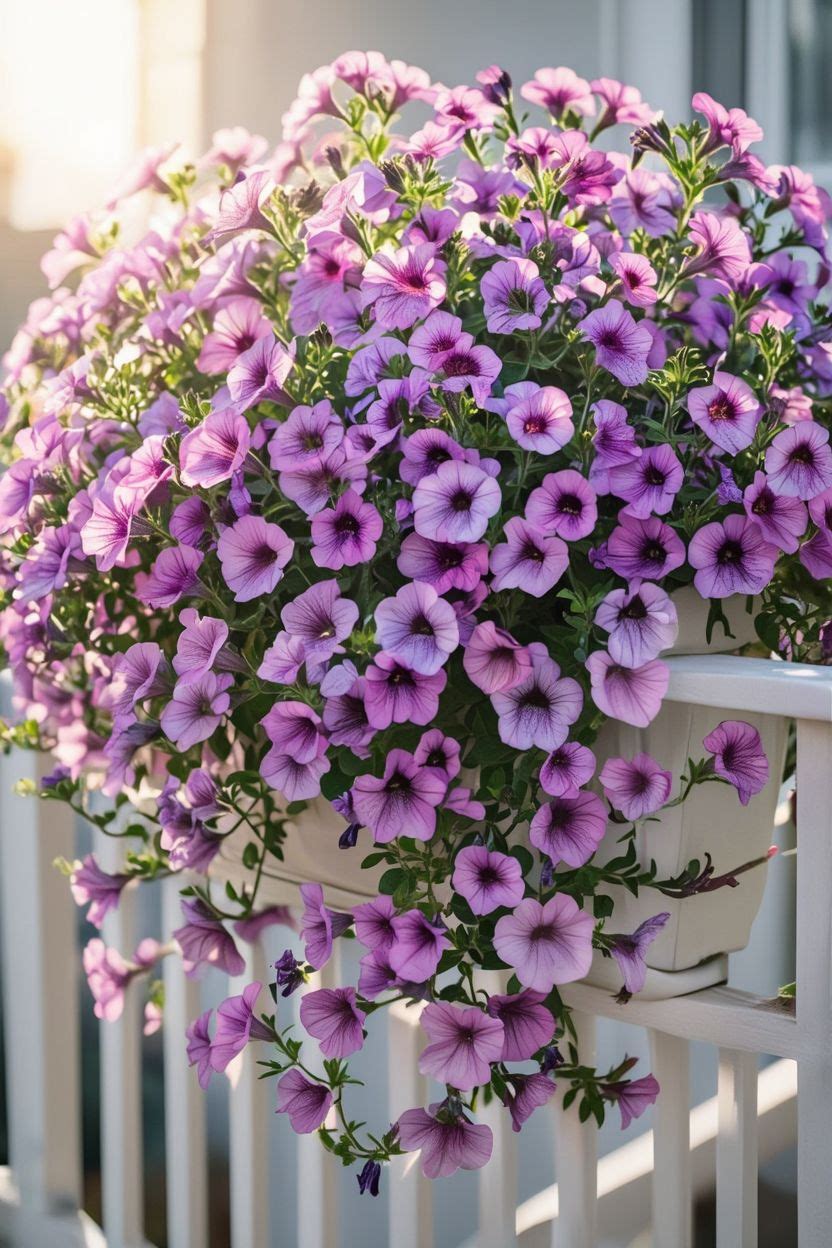
Petunias are the king of balcony container colour — incredibly floriferous, endlessly cheerful and available in every colour imaginable. Their trailing varieties spill over the sides of window boxes and hanging baskets in magnificent waves of bloom from late spring until the first frosts.
How to Grow Petunias on a Balcony
- Container size: Window boxes, hanging baskets, any container at least 20 cm deep
- Start seeds: 10–12 weeks before last frost indoors on a warm windowsill (seeds are tiny — press onto surface, do not bury)
- Germination: 7–14 days
- Spacing: 20–25 cm apart in window boxes; 3 per standard 30 cm hanging basket
- Care: Pinch out the growing tips of young plants to encourage bushy, branching growth. Deadhead spent flowers regularly.
Soil Needed
Moist, fertile, well-drained compost. Standard multipurpose compost with slow-release fertilizer added is ideal. pH 6.0–7.0. Petunias are moderate feeders — a good quality compost is essential for sustained blooming throughout the season.
Watering Guide
Water regularly — petunias dislike drying out completely. In summer, this typically means daily watering, especially in hanging baskets which dry out faster than ground-level pots. Always check by pushing a finger into the compost; water when the top 2 cm is dry. Feed weekly with liquid high-potassium fertilizer from June onwards for maximum blooms.
Cultivation Duration
- Time to first bloom from seed: 10–12 weeks
- Plant type: Annual — replant each spring
- Bloom length: May – October (6 months of continuous colour)
Bloom Season
May – October
Best Balcony Position
🪴 Window boxes along the railing or balcony edge, and hanging baskets. Trailing varieties cascade magnificently over the front of window boxes. Choose Surfinia or Wave varieties for the most dramatic trailing effect.
Varieties to try: Surfinia Purple (vigorous trailing), Wave Pink (cascading), Tumbelina (very compact for small pots)
💡 Beginner Tip: If petunias become leggy and sparse mid-season, cut them back by half and give a liquid feed. They will regrow and rebloom prolifically within 2–3 weeks.
4. Strawberry (Fragaria × ananassa)
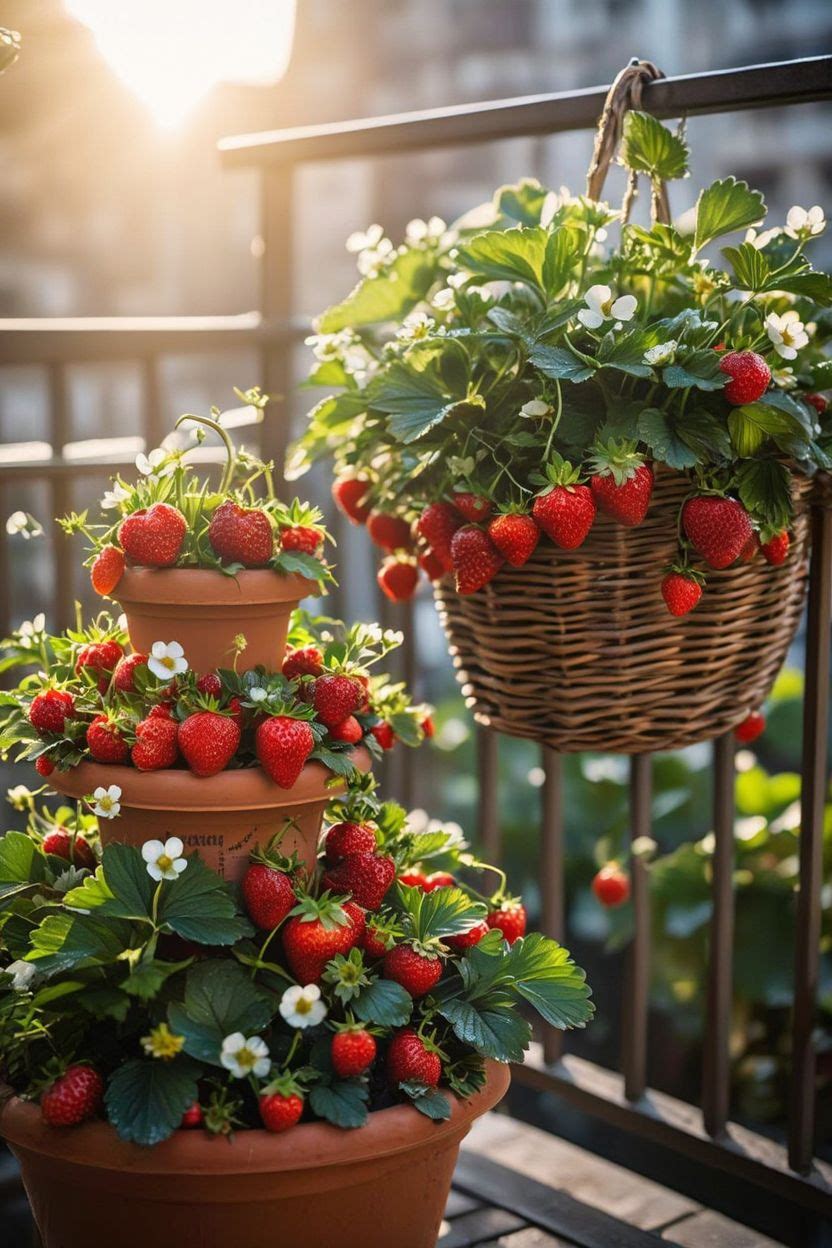
Strawberries are quite simply the most rewarding plant you can grow on a balcony — trailing runners, delicate white flowers, and a continuous supply of homegrown fruit through summer. Compact varieties are perfectly suited to hanging baskets, tower planters and window boxes.
How to Grow Strawberries on a Balcony
- Container size: 25–30 cm pot or hanging basket; or a purpose-built strawberry tower planter
- Start from: Bare root runners or young plants in early spring (much easier than seed)
- Or start from seed: 16–20 weeks before last frost — patience required
- Spacing: 20–25 cm apart; 3–4 plants per 30 cm hanging basket
- Care: Remove runners (trailing stems without fruit) to direct energy into fruit production. Protect emerging fruit from birds with netting if needed.
Soil Needed
Fertile, moisture-retaining but well-drained compost. Mix multipurpose compost with a little extra perlite for drainage and add slow-release granular fertilizer. pH 5.5–6.5 (slightly acidic). Strawberries need fertile soil to produce sweet, plentiful fruit — do not use poor compost.
Watering Guide
Strawberries need consistent moisture — never allow to dry out completely, especially during flowering and fruiting. Water at the base; wetting the fruit and foliage encourages rot and fungal disease. In summer, daily watering may be needed. Feed weekly with liquid high-potassium fertilizer (tomato feed works perfectly) from when flowers first appear.
Cultivation Duration
- Time to first fruit from plant: 8–10 weeks from young plant
- Time to first fruit from seed: 20–24 weeks
- Plant type: Perennial — returns each year if overwintered correctly in containers
Bloom / Harvest Season
May – September (everbearing varieties fruit in flushes right through summer)
Best Balcony Position
🪴 Full sun position, ideally hanging baskets or tower planters. Strawberries need at least 6 hours of sun daily to produce sweet fruit. Tower planters are brilliant for tiny balconies as they maximise vertical space.
Varieties to try: Albion (everbearing, very sweet), Mara des Bois (exceptional flavour), Temptation (grows well from seed)
💡 Beginner Tip: Everbearing varieties give you fruit in flushes through the whole season rather than one short burst — far better value for a balcony garden.
5. Geranium / Pelargonium (Pelargonium × hortorum)
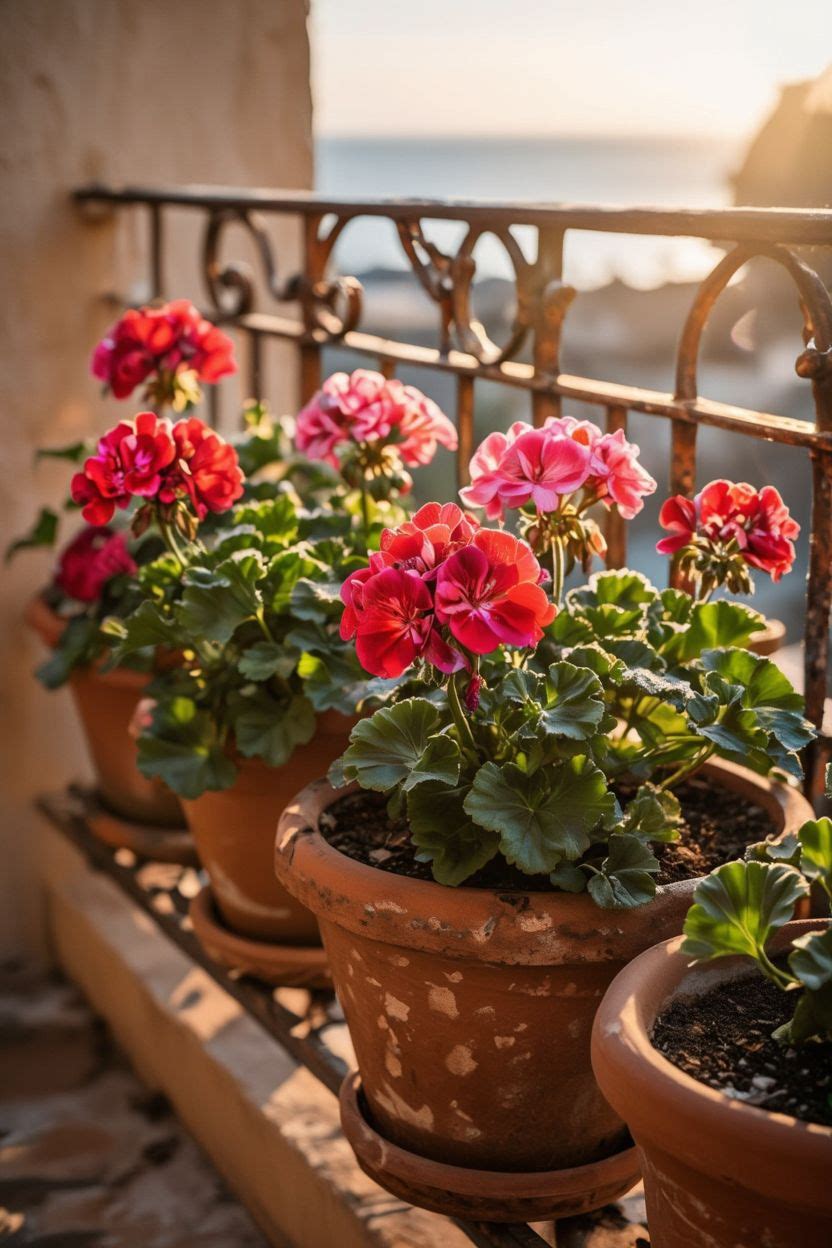
Pelargoniums — sold widely as geraniums — are the classic balcony flower of Europe and the most reliable container plant you can grow. Their bold flower heads in vivid reds, pinks, salmons and whites provide months of colour with minimal care. Trailing ivy-leaved varieties are especially beautiful cascading from window boxes.
How to Grow Pelargoniums on a Balcony
- Container size: Minimum 20 cm pot; window boxes are ideal
- Start seeds: 12–14 weeks before last frost (or buy young plants for instant colour)
- Germination: 7–14 days at 21–24°C (70–75°F)
- Spacing: 20–25 cm apart in window boxes; one upright plant per 20 cm pot
- Care: Deadhead spent flower heads regularly by snapping off the entire stem. This triggers continuous reblooming.
Soil Needed
Well-drained, moderately fertile compost. Standard multipurpose compost with extra perlite or grit mixed in (approximately 1 part grit to 4 parts compost). pH 6.0–7.0. Pelargoniums do not want wet, heavy compost — good drainage is the single most important factor.
Watering Guide
Allow the top 2–3 cm of compost to dry out before watering — pelargoniums tolerate drought better than most plants and actually bloom better when slightly under-watered. In hot summer weather, water every 2–3 days. Never leave pots sitting in saucers of water. Feed fortnightly with liquid high-potassium fertilizer through the growing season.
Cultivation Duration
- Time to first bloom from seed: 12–16 weeks
- Plant type: Tender perennial — overwinter indoors and replant each spring
- Bloom length: May – October (with regular deadheading)
Bloom Season
May – October
Best Balcony Position
🪴 Window boxes along railings, or in prominent pots on either side of the balcony door. Trailing ivy-leaved varieties look stunning cascading over window box edges. Upright zonal varieties work well as bold central features in large pots.
Varieties to try: Pac Idols Red (compact upright), Ville de Paris (trailing ivy-leaved), Calliope (semi-trailing, bicoloured)
💡 Beginner Tip: Before the first autumn frost, take cuttings to overwinter on a warm windowsill. You will have free, large plants ready for next season rather than buying new ones each year.
6. Dwarf Sweet Pea (Lathyrus odoratus — dwarf varieties)

Sweet peas have the most exquisitely beautiful and intensely fragrant flowers of any balcony plant — delicate butterfly blooms in the most romantic shades of pink, purple, coral and white. Dwarf varieties are compact enough for containers without the need for tall climbing frames.
How to Grow Dwarf Sweet Peas on a Balcony
- Container size: 30 cm pot minimum; window boxes work well
- Start seeds: Soak seeds overnight then sow directly in pots in early spring (February–March)
- Germination: 10–21 days
- Support: Even dwarf varieties benefit from a small 60–90 cm pea stick or mini trellis to lean against
- Care: Pick flowers constantly — if allowed to set seed, the plant stops flowering. The more you pick, the more it blooms.
Soil Needed
Deep, fertile, moisture-retaining compost. Mix premium multipurpose compost with a little garden compost or well-rotted manure if available. pH 7.0–7.5 (neutral to slightly alkaline). Sweet peas have deep roots — use the deepest pots available. They are hungry plants and reward rich compost with prolific flowering.
Watering Guide
Sweet peas need consistently moist compost — they must never dry out, especially once flowering begins. Water daily in warm weather. They do not tolerate waterlogging either — ensure pots have good drainage holes. Feed weekly with liquid high-potassium fertilizer once flowering begins.
Cultivation Duration
- Time to first bloom from seed: 12–16 weeks
- Plant type: Annual — sow afresh each year
- Bloom length: May – August (cooler-season flower; declines in high summer heat)
Bloom Season
May – August (best in cool spring and early summer conditions)
Best Balcony Position
🪴 A sheltered spot with morning sun and afternoon partial shade. Unlike most balcony plants, sweet peas prefer cooler conditions and dislike scorching afternoon sun. A sheltered east-facing spot or partial shade is ideal for prolonging the season.
Varieties to try: Cupid (dwarf, 25 cm, no support needed), Patio Mixed (compact, highly fragrant), Little Sweetheart (bushy, colourful)
💡 Beginner Tip: Sow a new pot of seeds every 3–4 weeks from February through April to extend the season. When the first sowing begins to decline in summer heat, the next batch will be ready to take over.
7. Herbs: Basil, Mint, Chives & Thyme
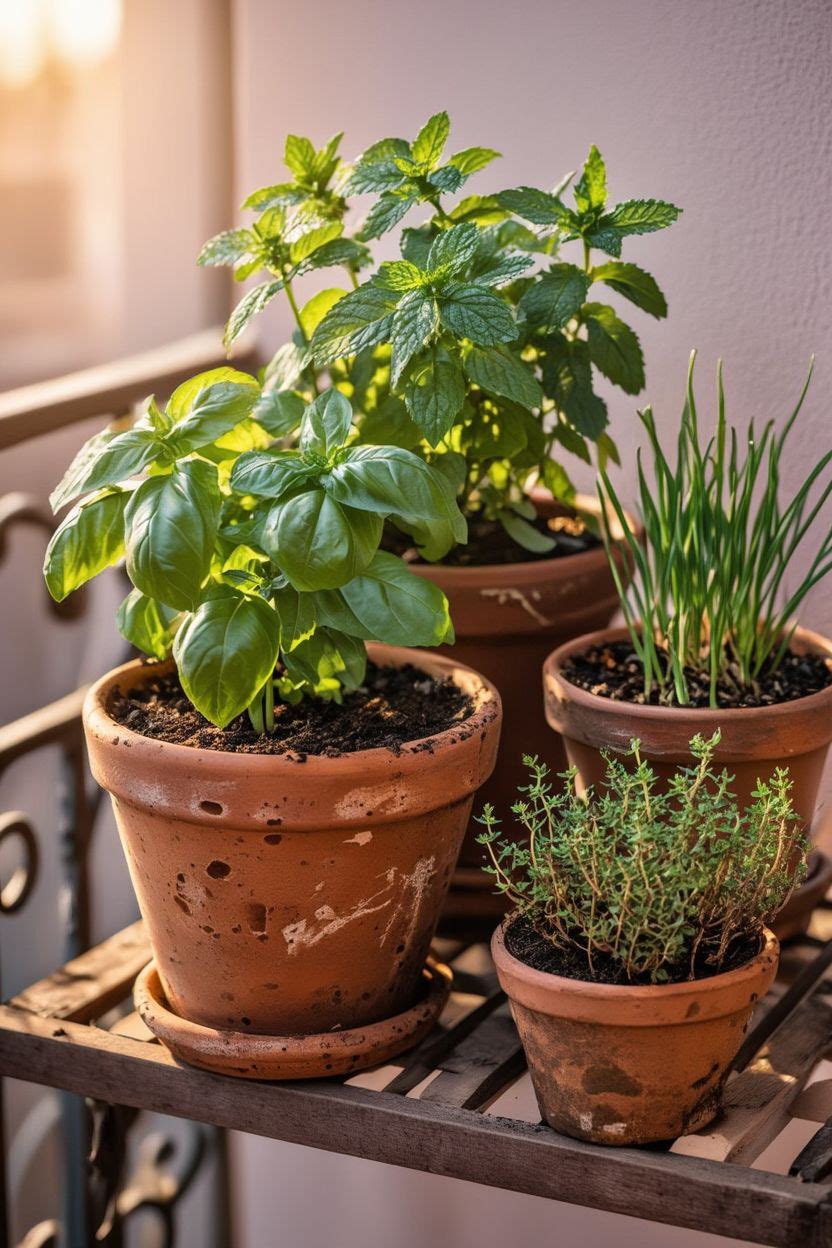
A small herb collection is the most practical and rewarding addition to any balcony garden — fragrant, beautiful, endlessly useful in the kitchen and extremely easy to grow in containers. These four herbs together cover every culinary base and create a beautiful aromatic display.
How to Grow Herbs on a Balcony
- Container size: Individual 15–20 cm pots or one large 40–50 cm mixed herb planter
- Basil: Start indoors 6–8 weeks before last frost; or buy supermarket basil and repot into larger container
- Mint: Propagate from cuttings or buy young plants; always grow in its own pot — it will take over a mixed planter
- Chives: Sow direct into pots in spring; very fast and reliable from seed
- Thyme: Buy young plants or take cuttings; slow from seed but very long-lived
Soil Needed
Mediterranean herbs (thyme, basil): Well-drained, lean compost mixed 50/50 with grit or perlite. pH 6.0–7.5. Poor to average fertility.
Mint and chives: Moist, moderately fertile standard multipurpose compost. pH 6.0–7.0. Slightly richer than thyme and basil.
Watering Guide
Basil: Keep consistently moist — wilts dramatically when dry. Water at the base; wet leaves cause fungal spots. Every 1–2 days in summer.
Mint: Moisture-loving — never allow to dry out. Daily watering in hot weather.
Chives: Moderate — water when the top 2 cm is dry.
Thyme: Drought-tolerant like lavender — water only when completely dry. Overwatering kills it.
Cultivation Duration
- Basil from seed: 6–8 weeks to harvestable size
- Chives from seed: 8–10 weeks
- Mint from cuttings: 3–4 weeks
- Thyme: Slow from seed (16+ weeks); much faster from young plants
Harvest Season
May – October (year-round for mint and chives in mild climates)
Best Balcony Position
🪴 Just outside the kitchen door or as close to cooking areas as possible. Full sun for thyme and basil; partial shade tolerated by mint and chives. Group pots together for a beautiful aromatic display.
💡 Beginner Tip: Buy a supermarket basil plant, divide it into 4–6 individual seedling clumps and repot into one larger pot. It will establish into a massive, lush plant far superior to any pot you can buy.
8. Fuchsia (Fuchsia × hybrida)
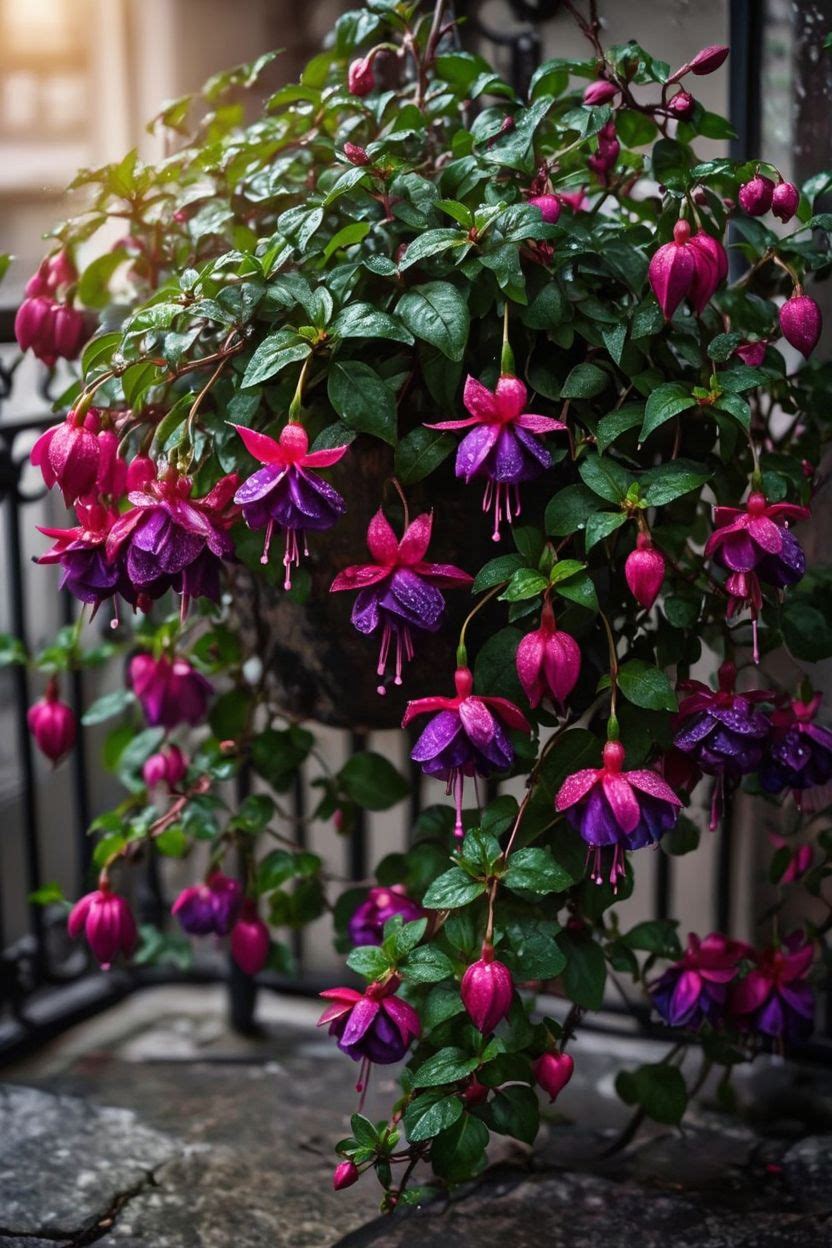
Fuchsias are the most spectacular hanging basket and shaded balcony plant available — their extraordinary pendant flowers in fuchsia pink, deep purple and white dangle from trailing stems in the most dramatic, jewel-like display imaginable. They are the perfect choice for balconies that do not receive full sun all day.
How to Grow Fuchsias on a Balcony
- Container size: 25–30 cm hanging basket or deep container
- Start from: Cuttings in spring (easiest) or buy young plants; seed is very slow and unreliable
- Care: Pinch out the growing tips of young plants several times to encourage bushy, multi-branching growth. Deadhead spent flowers. Keep well-watered.
Soil Needed
Moist, fertile, well-drained compost with excellent water retention. Premium multipurpose compost enriched with slow-release fertilizer granules and water-retaining crystals (for hanging baskets especially). pH 6.0–7.0. Fuchsias are hungry, thirsty plants that need rich, moisture-retentive compost to perform at their best.
Watering Guide
Fuchsias in hanging baskets are among the thirstiest balcony plants — daily watering is essential in summer, sometimes twice daily during heatwaves. Adding water-retaining crystals to the compost mix dramatically reduces this frequency. Feed weekly with liquid high-potassium fertilizer throughout the growing season.
Cultivation Duration
- Time to first bloom from cuttings: 10–12 weeks
- Plant type: Tender perennial — bring indoors before first frost
- Bloom length: June – October with correct feeding and watering
Bloom Season
June – October
Best Balcony Position
🪴 Shaded or partially shaded spots — north or east-facing balconies where other plants struggle. Fuchsias are shade-tolerant and actually prefer protection from harsh afternoon sun. They are the ideal solution for balconies that receive limited direct sunlight.
Varieties to try: Swingtime (white and red, very large flowers), Dark Eyes (deep red and purple), Annabel (pale pink and white, very elegant)
💡 Beginner Tip: Before the first frost, cut plants back by half, bring indoors to a cool frost-free spot and reduce watering to almost nothing. They will overwinter successfully and grow back vigorously in spring.
9. Nasturtium (Tropaeolum majus)
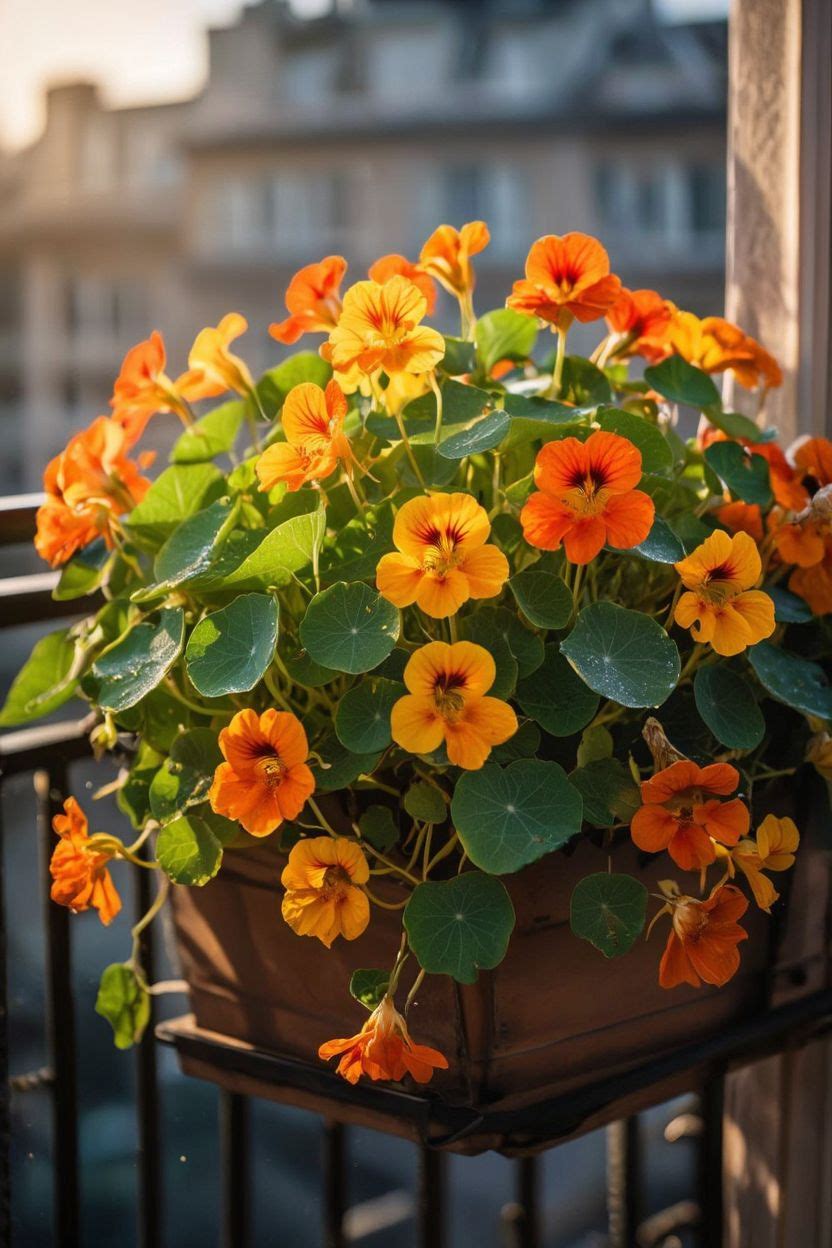
Nasturtiums are the easiest, most cheerful and most forgiving plant you can grow on a balcony — almost impossible to kill, they cascade in brilliant waves of orange, yellow and red with large, round lily-pad leaves that catch every raindrop. And they are completely edible — both flowers and leaves.
How to Grow Nasturtiums on a Balcony
- Container size: Any pot at least 20 cm deep; hanging baskets; window boxes
- Start seeds: Direct sow outdoors after last frost — push large seeds 1–2 cm into the compost, that is all
- Germination: 7–14 days (one of the fastest and most reliable from seed)
- Spacing: 20–25 cm apart; trailing varieties will cascade 60–90 cm downward
- Care: Almost none. No feeding, minimal watering. Deadhead if desired but not essential.
Soil Needed
Poor, well-drained soil or compost. This is the most important rule: nasturtiums bloom FAR better in poor, lean compost. Rich compost produces masses of lush leaves and very few flowers. Use spent, old compost that has been used for another crop — they will thrive in it.
Watering Guide
Nasturtiums are drought-tolerant and need very little water — allow the top 3–4 cm of compost to dry completely before watering. In containers, water perhaps once or twice a week in summer at most. Overwatering produces lush foliage and almost no flowers. The secret is deliberate neglect.
Cultivation Duration
- Time to first bloom from seed: 8–10 weeks — one of the fastest on this list
- Plant type: Annual — self-seeds extremely freely to effectively return each year
- Bloom length: June – October (until first frosts)
Bloom Season
June – October
Best Balcony Position
🪴 Hanging baskets, window boxes along the railing edge, or any awkward pot where other plants struggle. Trailing varieties cascade 60–90 cm downward over balcony railings for a stunning effect. They also make brilliant gap-fillers in containers while other plants establish.
Varieties to try: Empress of India (deep red flowers, dark foliage, very compact), Alaska (variegated leaves, mixed colours), Gleam Series (semi-trailing, fragrant)
💡 Beginner Tip: Both the flowers and leaves are edible and have a peppery, watercress-like flavour. Use flowers as a garnish on salads — they are as beautiful on the plate as they are in the garden.
10. Miniature / Patio Rose (Rosa — patio varieties)

A patio rose is the crowning jewel of a balcony garden — compact, repeat-flowering and utterly romantic in bloom. Modern miniature and patio rose varieties have been bred specifically for container growing and deliver months of classic rose blooms on neat, manageable plants that look extraordinary against any wall or railing backdrop.
How to Grow Patio Roses on a Balcony
- Container size: Minimum 30–40 cm pot with good depth (roses have deep roots)
- Start from: Bare root roses (December–March) or potted roses (any time)
- Start from seed: Not recommended — take 2+ years and results are unpredictable; buy named varieties
- Spacing: One rose per 30–40 cm pot
- Care: Prune in early spring — cut back by one third. Deadhead spent blooms throughout summer to encourage continuous flowering. Watch for aphids on new growth.
Soil Needed
Rich, fertile, moisture-retaining but well-drained compost. Use specialist rose compost or premium multipurpose compost enriched with garden compost and slow-release rose fertilizer granules. pH 6.0–7.0. Roses are hungry plants that demand rich, nutritious soil — never use poor or thin compost. Top-dress with fresh compost each spring.
Watering Guide
Roses in containers need consistent moisture — check every 1–2 days in summer and water thoroughly when the top 3 cm is dry. Allow water to flow freely from drainage holes to ensure deep root watering. Feed with liquid rose fertilizer (high in potassium) every 2 weeks from May through August for maximum repeat flowering. Never feed after August as this encourages soft new growth vulnerable to frost.
Cultivation Duration
- Time to first bloom from bare root plant: 10–14 weeks
- Plant type: Hardy perennial — lives for decades in containers with correct care
- Bloom flushes: Repeat-flowering varieties bloom in flushes from May through to first frosts
Bloom Season
May – October (with regular deadheading and feeding)
Best Balcony Position
🪴 The most prominent, sunniest position on the balcony — against the wall, beside the door, or as the centrepiece of a container display. Roses need minimum 6 hours of sun daily. Place in your largest, most elegant pots for maximum visual impact.
Varieties to try: Fairy Tale (soft pink, very compact), Sweet Dream (peach apricot, award-winning), Little Rambler (white, fragrant, climbing miniature)
💡 Beginner Tip: Aphids attack new rose growth in spring. Blast them off with a jet of water from a hand spray — no chemicals needed. Check weekly and act early before they multiply.
Quick Reference Chart — All 10 Balcony Plants
| Plant | Soil | Sun | Bloom/Harvest Season | Type | Difficulty |
|---|---|---|---|---|---|
| Lavender | Sandy/gritty, poor | Full sun | June–Sept | Perennial | ⭐ Easy |
| Tumbling Tom Tomato | Rich, fertile | Full sun | June–Oct | Annual | ⭐ Easy |
| Petunia | Moist, fertile | Full sun | May–Oct | Annual | ⭐ Easy |
| Strawberry | Fertile, moist | Full sun | May–Sept | Perennial | ⭐ Easy |
| Pelargonium | Well-drained, moderate | Full sun | May–Oct | Tender perennial | ⭐ Easy |
| Dwarf Sweet Pea | Deep, fertile, moist | Morning sun / part shade | May–Aug | Annual | ⭐ Easy |
| Herbs (mixed) | Varies by herb | Full sun–part shade | May–Oct | Annual/Perennial | ⭐ Very Easy |
| Fuchsia | Rich, moisture-retaining | Shade–part shade | June–Oct | Tender perennial | ⭐ Easy |
| Nasturtium | Poor, well-drained | Full sun | June–Oct | Annual | ⭐ Very Easy |
| Patio Rose | Rich, fertile | Full sun | May–Oct | Hardy perennial | ⭐⭐ Moderate |
Balcony Container Layout Ideas
The key to a beautiful balcony garden is using every inch of space cleverly — vertical space, railing space, floor space and overhead space all count.
Layout 1 — The Railing Window Box Display
Line your balcony railing with window boxes for an instant transformation. This is the most impactful single change you can make to a small balcony.
Window box 1 (full sun rail): Lavender + Pelargonium (trailing ivy-leaved) + Nasturtium Window box 2 (part-shade rail): Fuchsia (trailing) + Sweet William + Chives Floor pots below: Patio Rose + Strawberry tower
Best for: Balconies where floor space is very limited. Maximum colour with minimum floor footprint.
💡 Design tip: Choose railing-mounted window box brackets designed to clamp onto your specific railing width — measure carefully before buying. Many balcony rails take 60–80 cm window boxes.
Layout 2 — The Tiered Shelf Garden
Install a 2–3 tier plant shelf along one wall to multiply your growing space threefold without using extra floor space.
Top shelf (most sun): Lavender, Petunias, Nasturtium trailing over edge Middle shelf: Herbs (basil, thyme, chives), Strawberries Bottom shelf / floor level: Patio Rose, Fuchsia, Tumbling Tom hanging above
Best for: Balconies with one long wall. Tiered shelves are inexpensive and transform vertical wall space into a productive growing area.
💡 Design tip: Use matching pots — all terracotta or all white — for a cohesive, magazine-worthy look on a small balcony where every detail is visible.
Layout 3 — The Hanging Basket Ceiling Display
Hang plants from ceiling hooks or a horizontal rail bar mounted across the top of the balcony to create a lush overhead canopy of trailing blooms.
Overhead hanging baskets: Fuchsia (trailing), Petunia (Surfinia trailing), Tumbling Tom Tomato Below at railing: Lavender window boxes, Pelargonium window boxes Floor level: Patio Rose as centrepiece, Herbs in a cluster of terracotta pots
Best for: Balconies with a ceiling or overhead structure to hang from. Creates a deeply immersive, enclosed garden feel.
💡 Design tip: Use heavy-duty ceiling hooks rated to at least 15 kg per basket — a fully-watered 30 cm hanging basket is extremely heavy. Always check load ratings before installing.
Layout 4 — The Kitchen Garden Balcony
A practical, productive balcony garden focused on homegrown food and herbs. Beautiful AND useful.
Railing window boxes: Dwarf Sweet Pea (with mini pea sticks), Tumbling Tom Tomato Wall shelf: Basil + Mint + Chives + Thyme in individual terracotta pots Floor pots: Strawberry tower planter, one large pot of patio courgette or pepper Hanging baskets: Nasturtium (edible flowers) + Trailing Strawberry
Best for: Anyone who wants a harvest as well as beauty. All edible, all beautiful, all container-perfect.
💡 Design tip: Label your herb pots with small wooden stakes — practical and charming, especially for anyone new to herb growing who is still learning to identify plants by sight.
Balcony Soil Preparation & Container Guide
Choosing the Right Compost
Not all compost is equal. Using the right growing medium for each plant is the single most important thing you can do for a healthy balcony garden.
For flowering plants (petunias, pelargoniums, sweet peas, roses): Premium multipurpose compost with slow-release fertilizer granules already incorporated. Avoid cheap, thin compost — it runs out of nutrients rapidly in containers.
For Mediterranean plants (lavender, thyme, nasturtium): 50/50 mix of standard multipurpose compost and horticultural grit or perlite for excellent drainage. These plants actively prefer lean growing conditions.
For fruiting plants (tomatoes, strawberries): Specialist tomato and strawberry compost, or premium multipurpose compost enriched with additional slow-release granular fertilizer and potassium.
For herbs: Multipurpose compost for mint and chives; gritty, well-drained mix for basil and thyme.
Essential Container Rules
Always use pots with drainage holes at the bottom — without drainage, roots rot and plants die. If a decorative pot has no holes, use it as a cache pot with a plain nursery pot inside.
Add a layer of broken pottery or gravel at the bottom of pots to prevent the drainage holes from blocking with compost.
Water-retaining crystals are transformative for hanging baskets and pots in full sun — they absorb hundreds of times their own weight in water and release it slowly to roots. Mix into the compost when planting up hanging baskets and containers.
Refreshing Compost Each Season
Container compost exhausts its nutrients within 6–8 weeks. Replenish by top-dressing with fresh compost each spring and feeding regularly with liquid fertilizer throughout the growing season. Every 2–3 years, completely refresh the compost in permanent containers (roses, lavender) to maintain plant health.
Balcony Watering System Guide
Watering is the biggest time commitment of balcony gardening — but there are smart ways to make it easier.
Hand Watering Tips
Water in the early morning or evening — never in the midday sun. Watering in full sun can scorch leaves and causes rapid evaporation before water reaches the roots.
Always water until water flows freely from the drainage holes. Shallow watering only wets the surface and encourages roots to grow upward rather than deep.
Check hanging baskets daily in summer — they dry out far faster than floor-level pots due to wind and heat exposure.
Self-Watering Containers
Self-watering pots with built-in water reservoirs are a game-changer for busy balcony gardeners. They hold a reservoir of water beneath the growing medium that roots draw up as needed. Ideal for tomatoes, strawberries and petunias which need consistent moisture.
Drip Irrigation
A simple balcony drip irrigation kit connected to an outdoor tap with a timer costs relatively little and will water all your plants automatically every morning. This is the ultimate solution for confident balcony gardeners or frequent travellers.
Essential Balcony Garden Tips for Beginners
- 🌿 Weight matters — balconies have load limits. Terracotta pots are heavy; consider lightweight resin or fibreglass containers, especially for larger plants. Always check your balcony’s weight rating before installing heavy features.
- 💨 Wind is your enemy — balconies are often very exposed to wind which desiccates plants rapidly and damages tall stems. Choose compact, bushy varieties and position taller plants against the wall for shelter.
- 🌧️ Rain rarely waters containers enough — even after heavy rain, check your pots. The canopy of leaves above often sheds rain away from the pot rim and the centre of the compost can remain bone dry.
- ✂️ Deadhead consistently — on a small balcony every plant is highly visible. Remove spent flowers every few days for a constantly neat and abundant display.
- 🐝 Include at least one pollinator plant — lavender, sweet peas and nasturtiums attract bees and butterflies even to high-rise balconies, and pollinators mean better fruit crops from your tomatoes and strawberries.
- 🧴 Feed regularly — unlike garden plants whose roots can seek out nutrients in the soil, container plants are entirely dependent on what you provide. Weekly liquid feeding from June onwards makes an enormous difference.
When to Plant — Balcony Garden Month by Month
| Month | What to Do |
|---|---|
| January–February | Order seeds and bare root roses. Start delphinium and sweet pea seeds indoors. |
| March | Sow sweet peas, basil, petunias, and chives indoors on a warm windowsill. |
| April | Pot on seedlings into larger containers. Harden off indoors-grown plants gradually. |
| May | Plant out all tender plants after last frost. Sow nasturtiums and calendula direct. |
| June | Plant out remaining seedlings. Hang baskets. Begin weekly liquid feeding. |
| July–August | Deadhead daily. Water daily (twice daily in heatwaves). Feed weekly. |
| September | Take pelargonium and fuchsia cuttings to overwinter. Harvest strawberries and tomatoes. |
| October | Bring tender plants indoors before first frost. Plant spring bulbs in pots. |
| November–December | Overwinter roses and hardy perennials in sheltered position. Plan next season. |
Final Thoughts
A tiny balcony garden overflowing with these 10 plants will reward you with months of colour, fragrance, homegrown food and genuine joy from late spring until autumn.
The real secret of a beautiful balcony garden is not having a large space — it is making every centimetre count. Layer plants vertically, use every railing, hang baskets from every hook, and pack pots with colour and life.
Start with the easiest options — nasturtiums, petunias, herbs and lavender — and add tomatoes, strawberries and a patio rose as your confidence grows. Before long your tiny balcony will be the most beautiful and productive spot in your entire home. 🌸🍓🌿✨
Pin this guide to save for your balcony planting season!