15 Best Vegetables for a Balcony Garden (That Actually Grow in India)
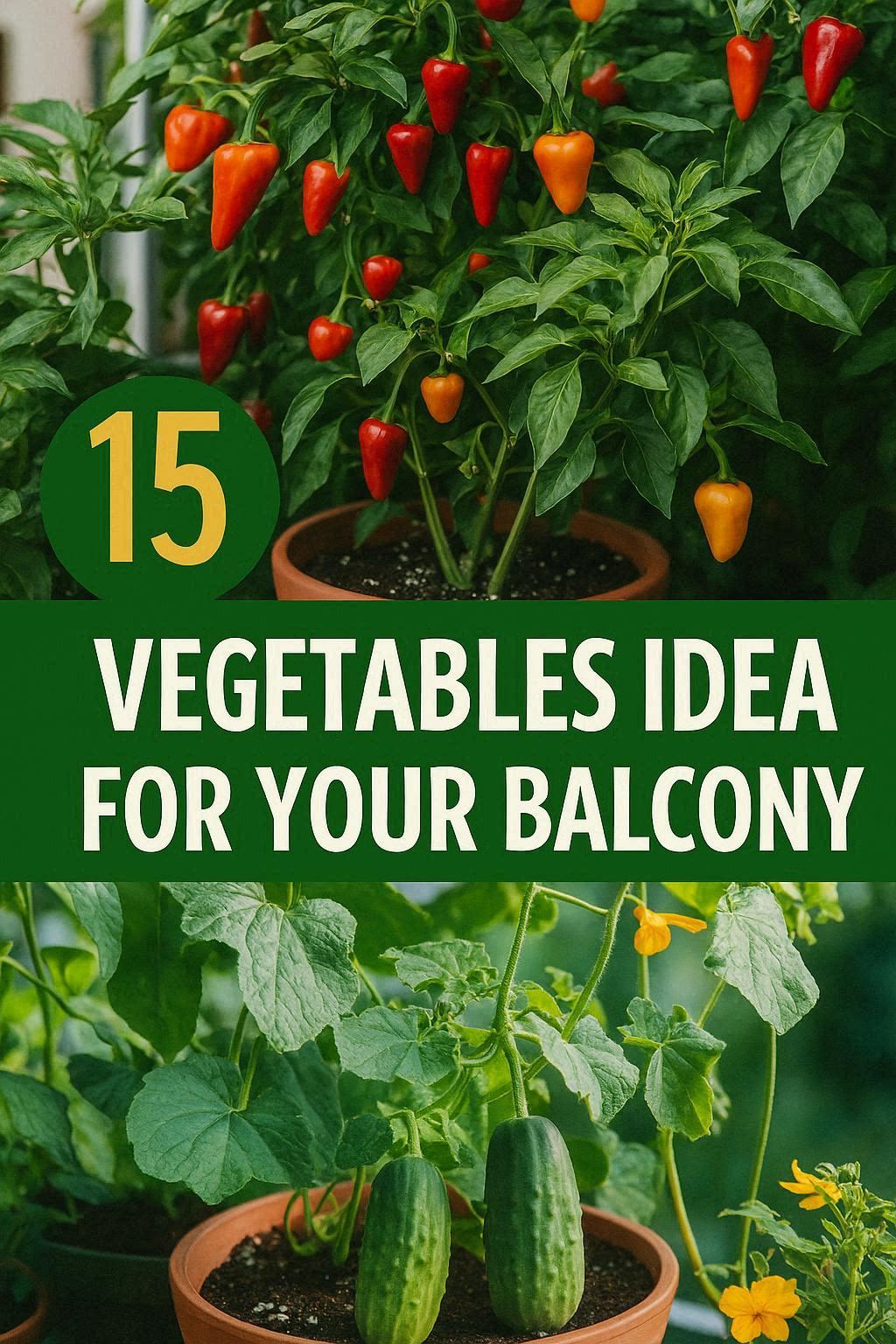
You don’t need a big yard to grow your own food. A sunny balcony, a few pots, and the right plants — that’s really all it takes. Whether you live in a flat in Mumbai, Bangalore, Delhi, or Pune, you can grow fresh vegetables right outside your door.
This guide covers the 15 best vegetables for balcony gardens — chosen because they’re easy to grow, don’t need much space, and give you a real harvest you can eat. I’ve also included Indian context throughout: local names, where to buy seeds, and rough costs in rupees.
Let’s dig in.
1. Why Balcony Gardening Works (Even in Indian Cities)
Most city apartments get 4–6 hours of sunlight daily — enough for many vegetables. Balconies also tend to be warmer than open ground, which actually helps tropical vegetables like tomatoes and brinjal thrive.
Here’s what makes balcony gardening ideal for beginners:
- No weeding. Pots mean fewer weeds.
- Less pests. Being up high reduces soil-borne pests.
- You control everything. Soil, water, sunlight — all in your hands.
- Start small. One pot of spinach costs almost nothing.
The main challenges are limited space and daily watering — but once you get into a routine, it’s genuinely relaxing.
2. What You Need Before You Start
Before picking your plants, sort out the basics. Here’s a simple checklist:
| Item | What to Buy | Approx. Cost (₹) |
|---|---|---|
| Pots | 10–14 inch round pots (plastic or terracotta) | ₹50–₹200 each |
| Potting mix | Cocopeat + compost blend | ₹150–₹300 per bag |
| Seeds | From local nursery or Amazon/Ugaoo | ₹30–₹100 per packet |
| Fertiliser | Vermicompost or NPK granules | ₹100–₹250 |
| Watering can | 1–2 litre plastic can | ₹100–₹200 |
| Tray liners | To protect your balcony floor | ₹50–₹100 |
Total starter cost: Around ₹1,000–₹2,000 for a basic setup with 4–5 pots.
Tip: Cocopeat (coconut coir) works better than heavy garden soil in pots. It’s lightweight, drains well, and is widely available at nurseries across India.
3. The 15 Best Vegetables for Your Balcony
These vegetables were chosen because they:
- Grow well in containers
- Don’t need a lot of space
- Are commonly eaten in Indian kitchens
- Are beginner-friendly
3.1 Tomatoes (Tamatar)
Pot size needed: 12–14 inch
Sunlight: 6+ hours
Time to harvest: 60–80 days
Difficulty: Easy–Medium
Tomatoes are the classic balcony vegetable for a reason — they produce a lot in a small space. Cherry tomato varieties like Pusa Cherry Tomato or Hybrid Red are perfect for pots.
Indian tip: Buy disease-resistant varieties like Arka Rakshak from local agricultural shops. They handle humidity and heat better.
Stake your tomato plant with a bamboo stick once it starts climbing. Water daily and feed with liquid fertiliser every two weeks.
3.2 Spinach (Palak)
Pot size needed: 6–8 inch (or long rectangular tray)
Sunlight: 3–4 hours
Time to harvest: 25–30 days
Difficulty: Very Easy
Palak is one of the fastest vegetables you can grow. Scatter seeds, water every day, and you’ll have cuttings in under a month. You can harvest leaf by leaf and the plant keeps producing.
Best grown in winter (October to February) in most Indian cities. In the south, it grows almost year-round.
3.3 Chillies (Mirchi)
Pot size needed: 8–10 inch
Sunlight: 5–6 hours
Time to harvest: 70–90 days
Difficulty: Easy
Chillies are practically made for balconies. They’re compact, productive, and a chilli plant bought for ₹30 at a nursery can give you hundreds of chillies over months.
Varieties like Jwala, Guntur Sannam, or Bird’s Eye all do well in pots. They prefer warm weather and hate waterlogging — make sure your pot drains well.
3.4 Methi (Fenugreek)
Pot size needed: Any shallow tray
Sunlight: 3–4 hours
Time to harvest: 20–25 days (microgreens) / 45 days (full leaves)
Difficulty: Very Easy
Methi is perhaps the easiest thing you’ll ever grow. Soak seeds overnight, scatter them in a tray, water daily, and you’ll have methi microgreens in 3 weeks. Use the seeds you already have in your kitchen — they germinate just fine.
Harvest young for methi sabzi or let them grow taller for parathas.
3.5 Coriander (Dhaniya)
Pot size needed: 6–8 inch
Sunlight: 3–4 hours
Time to harvest: 21–30 days
Difficulty: Very Easy
Dhaniya is a non-negotiable in Indian cooking. Growing it yourself means you always have fresh coriander on hand — no more wilting bunches from the sabziwala.
Key tip: Crush the seeds slightly before planting. Each coriander “seed” is actually two seeds joined — splitting them improves germination dramatically.
3.6 Brinjal / Eggplant (Baingan)
Pot size needed: 12–14 inch
Sunlight: 6+ hours
Time to harvest: 70–80 days
Difficulty: Easy
Brinjal loves Indian summers. It’s a heat-tolerant plant that produces generously over many months. Dwarf varieties like Pusa Kranti or Annamalai are well-suited to containers.
One plant can give you 8–12 brinjals easily. Feed with compost every month and keep the soil consistently moist.
3.7 Bhindi / Okra (Lady’s Finger)
Pot size needed: 12 inch, deep (30 cm+)
Sunlight: 6–8 hours
Time to harvest: 50–60 days
Difficulty: Easy
Bhindi grows tall — up to 1.5 metres — but it’s surprisingly container-friendly if you give it a deep pot. It loves full sun and heat, making it perfect for Indian summers (March–July).
Soak seeds overnight before planting. You’ll see bright yellow flowers before the pods appear. Harvest regularly — the more you pick, the more it produces.
3.8 Mint (Pudina)
Pot size needed: 6–8 inch
Sunlight: 3–4 hours
Time to harvest: 30 days
Difficulty: Very Easy
Mint practically grows itself. You can start from a bunch of pudina from the market — just put a few stems in water, wait for roots, then plant in soil.
Keep it in its own pot because mint spreads aggressively and will take over other plants. Harvest regularly to keep it bushy rather than leggy.
3.9 Radish (Mooli)
Pot size needed: 8–10 inch, deep
Sunlight: 4–5 hours
Time to harvest: 25–35 days
Difficulty: Easy
Radishes are the sprinters of balcony gardening — harvest in under five weeks. They’re perfect for filling gaps between slower-growing plants.
In India, grow mooli between October and February for best results. In hot weather, they bolt (go to seed) quickly. Pusa Chetki is a heat-tolerant variety that grows well even in spring.
3.10 Beans (Sem / French Beans)
Pot size needed: 10–12 inch
Sunlight: 5–6 hours
Time to harvest: 50–60 days
Difficulty: Easy–Medium
French beans (bush varieties) stay compact and need no climbing support — perfect for small balconies. Climbing varieties produce more but need a bamboo trellis tied to your railing.
Beans also fix nitrogen in the soil, which improves the soil quality for future plants. Grow them in winter for the best harvest.
3.11 Curry Leaf Plant (Kadipatta)
Pot size needed: 10–12 inch
Sunlight: 4–6 hours
Time to harvest: Ongoing (once established)
Difficulty: Easy
Not a vegetable exactly, but no Indian kitchen garden is complete without a curry leaf plant. Once established, it gives you fresh kadipatta year-round.
Buy a small plant from a local nursery (₹50–₹100). It grows slowly at first but becomes very productive within a year. Pinch the tips regularly to encourage bushy growth.
3.12 Bottle Gourd (Lauki / Dudhi)
Pot size needed: 14–16 inch, very deep
Sunlight: 6–8 hours
Time to harvest: 55–65 days
Difficulty: Medium
Lauki is ambitious for a balcony, but it works beautifully if you train the vine along a railing or wall. It grows fast and produces big gourds that feel very satisfying.
Use a large, deep container and add a strong trellis. One vine can produce 6–10 gourds per season. Best grown in summer.
3.13 Amaranth (Chaulai / Rajgira)
Pot size needed: 8–10 inch
Sunlight: 4–6 hours
Time to harvest: 30–40 days
Difficulty: Easy
Amaranth is underrated. It grows fast, tolerates heat, and the leaves are nutritious and delicious in dal or stir-fries. It also looks beautiful with its red and green foliage.
Direct-sow seeds and thin seedlings to 6 inches apart. Harvest the outer leaves as the plant grows.
3.14 Capsicum / Bell Pepper (Shimla Mirch)
Pot size needed: 10–12 inch
Sunlight: 6+ hours
Time to harvest: 80–90 days
Difficulty: Medium
Shimla mirch takes a little more patience, but fresh homegrown capsicums are far superior to what you get at the market. They stay productive for a long time.
Start seeds indoors, then move to the balcony after 4–5 weeks. They prefer warm (but not scorching) conditions — ideal for growing February through June in most Indian cities.
3.15 Microgreens (Mixed)
Pot size needed: Any shallow tray (2–3 inches deep)
Sunlight: 3–4 hours
Time to harvest: 7–14 days
Difficulty: Very Easy
Microgreens are the ultimate beginner crop. Sow thickly, water daily, harvest with scissors in under two weeks. They’re packed with nutrition and add a gourmet touch to any dish.
Good varieties for Indian kitchens: sunflower, radish, peas, mustard (sarson), and methi. You can buy starter kits on Amazon India for around ₹300–₹500.
4. Quick Reference: All 15 Vegetables at a Glance
| Vegetable | Pot Size | Sunlight | Harvest Time | Difficulty |
|---|---|---|---|---|
| Tomatoes | 12–14 inch | 6+ hrs | 60–80 days | Medium |
| Spinach | 6–8 inch | 3–4 hrs | 25–30 days | Very Easy |
| Chillies | 8–10 inch | 5–6 hrs | 70–90 days | Easy |
| Methi | Shallow tray | 3–4 hrs | 20–25 days | Very Easy |
| Coriander | 6–8 inch | 3–4 hrs | 21–30 days | Very Easy |
| Brinjal | 12–14 inch | 6+ hrs | 70–80 days | Easy |
| Bhindi | 12 inch deep | 6–8 hrs | 50–60 days | Easy |
| Mint | 6–8 inch | 3–4 hrs | 30 days | Very Easy |
| Radish | 8–10 inch deep | 4–5 hrs | 25–35 days | Easy |
| Beans | 10–12 inch | 5–6 hrs | 50–60 days | Easy |
| Curry Leaf | 10–12 inch | 4–6 hrs | Ongoing | Easy |
| Bottle Gourd | 14–16 inch | 6–8 hrs | 55–65 days | Medium |
| Amaranth | 8–10 inch | 4–6 hrs | 30–40 days | Easy |
| Capsicum | 10–12 inch | 6+ hrs | 80–90 days | Medium |
| Microgreens | Shallow tray | 3–4 hrs | 7–14 days | Very Easy |
5. Best Combinations for a Small Balcony
If you’re just starting out, don’t try to grow everything at once. Here are two starter combinations:
5.1 The Absolute Beginner Set (4 pots, ₹500–₹800 total)
- Methi (any shallow tray)
- Spinach (rectangular tray)
- Coriander (small pot)
- Mint (small pot)
These four need minimal sunlight, grow quickly, and you’ll use them daily in your cooking. Perfect confidence-builders.
5.2 The Kitchen Garden Set (6–8 pots, ₹1,500–₹2,500 total)
- Tomatoes (large pot)
- Chillies (medium pot)
- Brinjal (large pot)
- Spinach (tray)
- Coriander (small pot)
- Curry leaf plant (medium pot)
This gives you a genuinely functional kitchen garden that covers most everyday cooking needs.
6. Watering, Feeding, and Common Problems
6.1 Watering Tips
- Water in the morning, not midday. Evening watering can lead to fungal problems.
- Stick your finger 1 inch into the soil. If it’s dry, water thoroughly.
- In summer, most pots need daily watering. In winter, every 1–2 days is usually fine.
- Self-watering pots (available on Amazon India from ₹300) are a game-changer if you travel frequently.
6.2 Feeding Your Plants
Container plants need regular feeding because nutrients wash out with every watering.
- Vermicompost: Add a handful every 3–4 weeks. Available at most nurseries for ₹100–₹150 per kg.
- Liquid fertiliser: Diluted jeevamrit (cow dung + water + jaggery) is a popular organic option. Or use NPK 19:19:19 once a month.
- Banana peel water: Soak banana peels in water for 2 days. Rich in potassium. Great for flowering plants like tomatoes and capsicum.
6.3 Common Problems and Fixes
| Problem | Likely Cause | Fix |
|---|---|---|
| Yellow leaves | Overwatering or nitrogen deficiency | Let soil dry out; add compost |
| No flowers/fruit | Too little sun or too much nitrogen | Move to sunnier spot; reduce fertiliser |
| Leggy, thin plants | Not enough sunlight | Relocate to brighter spot |
| White powder on leaves | Powdery mildew (fungal) | Spray with diluted neem oil |
| Tiny insects on stems | Aphids | Spray with diluted neem oil + soap water |
| Wilting despite watering | Root rot from poor drainage | Repot in fresh soil; add perlite |
7. Seasonal Planting Calendar for India
| Vegetable | Best Sowing Months |
|---|---|
| Tomatoes | Jan–Feb, Aug–Sep |
| Spinach | Oct–Feb |
| Chillies | Feb–Mar, Aug–Sep |
| Methi | Oct–Feb |
| Coriander | Oct–Feb |
| Brinjal | Feb–Mar, Jul–Aug |
| Bhindi | Mar–Jun |
| Radish | Oct–Jan |
| Beans | Sep–Nov |
| Bottle Gourd | Feb–May |
| Microgreens | Year-round |
| Curry Leaf | Year-round |
Note: These are general guidelines for North and Central India. In South India (Karnataka, Tamil Nadu, Kerala), most vegetables can be grown nearly year-round with minor adjustments.
8. Where to Buy Seeds and Supplies in India
Online:
- Ugaoo.com — Wide range of seeds, pots, and soil. Ships across India.
- NurseryLive.com — Good for plants (not just seeds).
- Amazon India — Search “vegetable seeds kit” for starter bundles under ₹299.
- UrbanMali.com — Bangalore-based; great for cocopeat and organic inputs.
Offline:
- Your local nursery (naursari or garden shop) is usually the cheapest.
- Agricultural supply shops often stock high-quality desi vegetable seeds.
- IARI (Indian Agricultural Research Institute) in Delhi sells certified seeds at very low prices.
9. Final Thoughts
Balcony gardening is one of the most rewarding hobbies you can pick up — especially in India, where fresh produce matters so much in everyday cooking. You don’t need to start with all 15 vegetables. Pick two or three that you cook with regularly, get them growing well, and then expand from there.
The best balcony garden is one you’ll actually maintain. So start small, stay consistent with watering, and don’t get discouraged if something doesn’t work the first time. Every gardener kills a plant or two. It’s part of the process.
If this guide helped you, bookmark it for reference and share it with someone who’s been thinking about starting a kitchen garden. Happy growing! 🌱