10 Living Room Decor Ideas That Instantly Feel Warm and Welcoming
Your living room says a lot about your home before anyone even sits down. If it feels flat, cluttered, or just “off,” a few smart changes can fix that without a full renovation.
Below are 10 living room decor ideas that real homeowners use to make their space feel warmer, bigger, and more put-together — with rough costs and where to shop, so you can plan your budget before you buy anything.
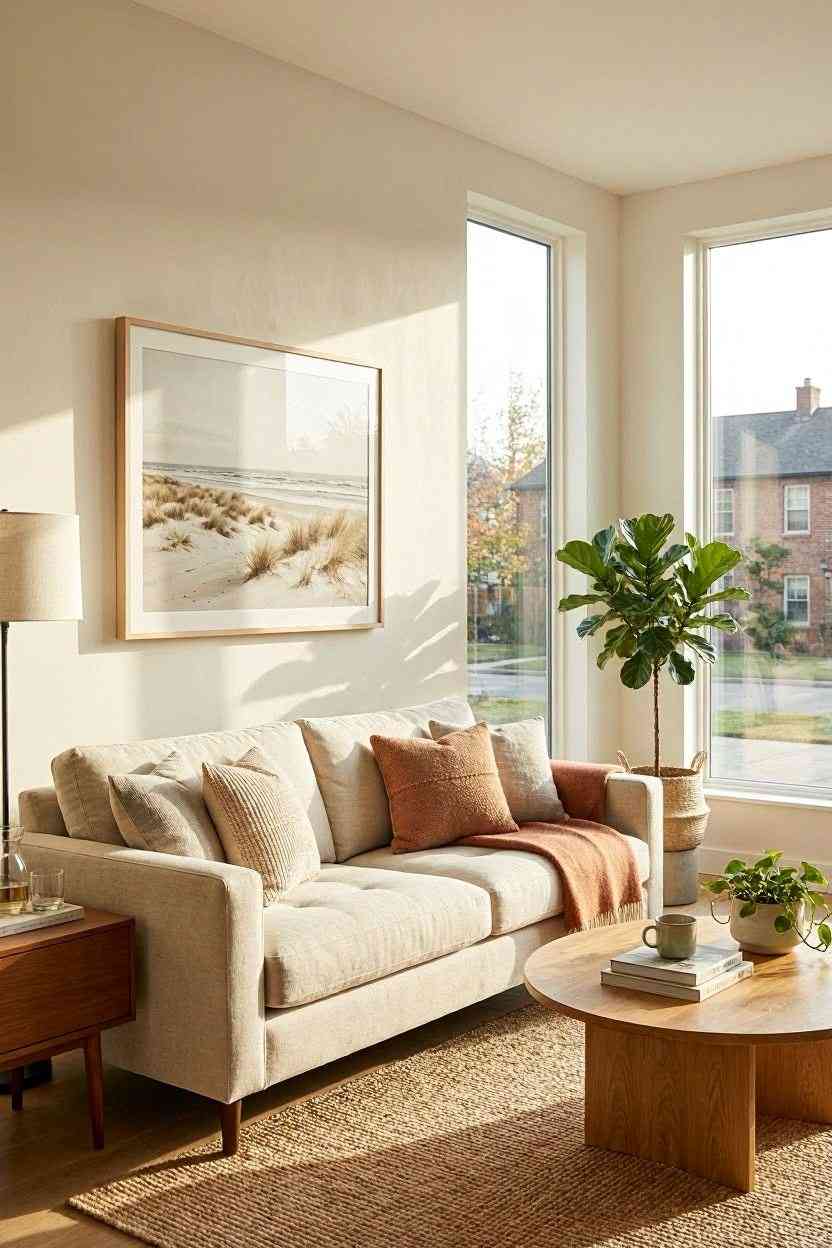
Quick Reference: All 10 Ideas at a Glance
| # | Idea | Rough Cost | Best For |
|---|---|---|---|
| 1 | Layered lighting | $40–$300 | Any room, any budget |
| 2 | Statement rug | $80–$500 | Grounding your seating area |
| 3 | Gallery wall | $50–$250 | Blank, boring walls |
| 4 | Textured throw pillows | $30–$120 | Instant sofa refresh |
| 5 | Accent chair | $150–$700 | Adding a second seating spot |
| 6 | Coffee table styling | $20–$100 | Making the room look finished |
| 7 | Curtains that touch the floor | $40–$200 | Making ceilings look taller |
| 8 | Indoor plants | $15–$150 | Softening hard edges |
| 9 | Mirror placement | $60–$300 | Small or dark rooms |
| 10 | Personal accessories | $0–$150 | Making it feel like “you” |
1. Layer Your Lighting Instead of Using One Overhead Light
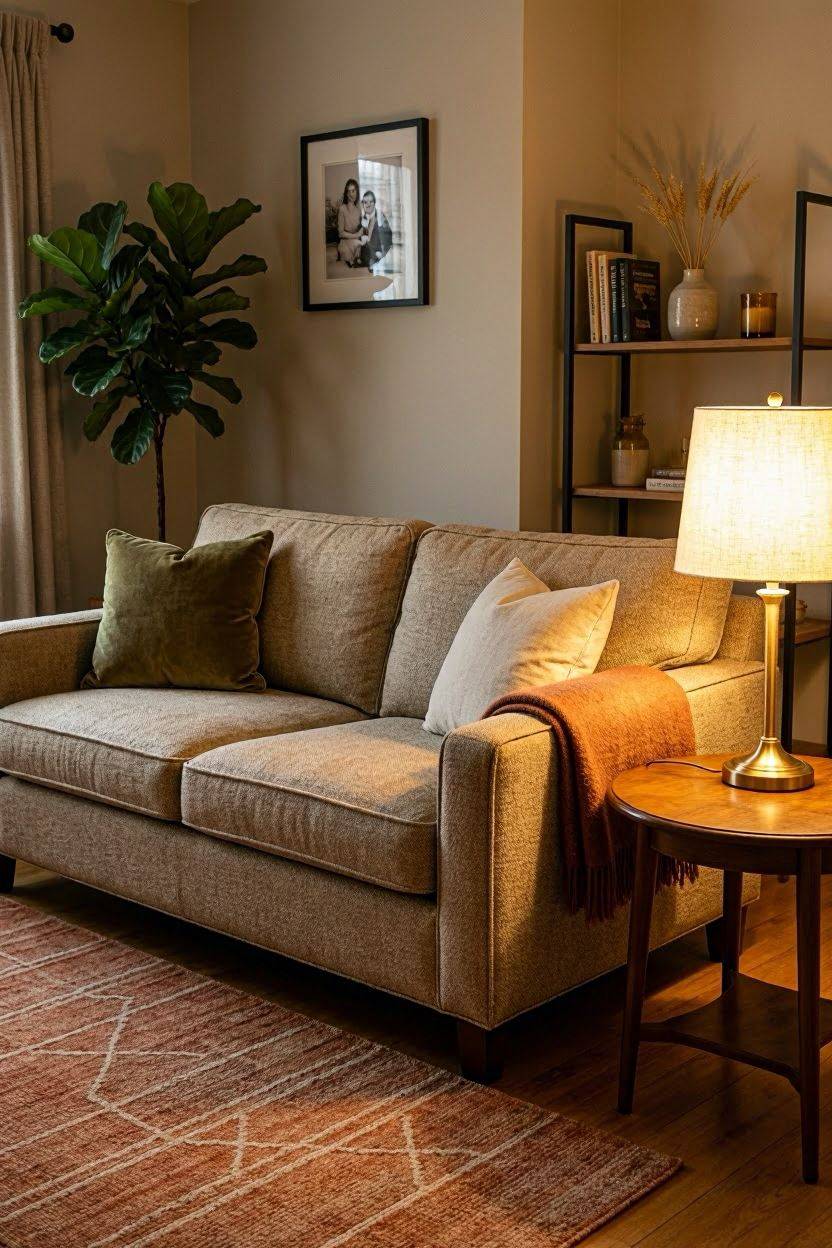
A single ceiling light makes any living room feel flat and a little cold. Designers almost always use three layers of light: an overhead fixture, a floor or table lamp, and smaller accent lighting like a lamp near a reading chair.
Warm white bulbs (2700K–3000K) look far cozier than bright white ones. A simple set of two matching table lamps from Target or West Elm, around $40 to $80 each, can change the whole feel of the room by evening.
2. Anchor the Room With a Statement Rug
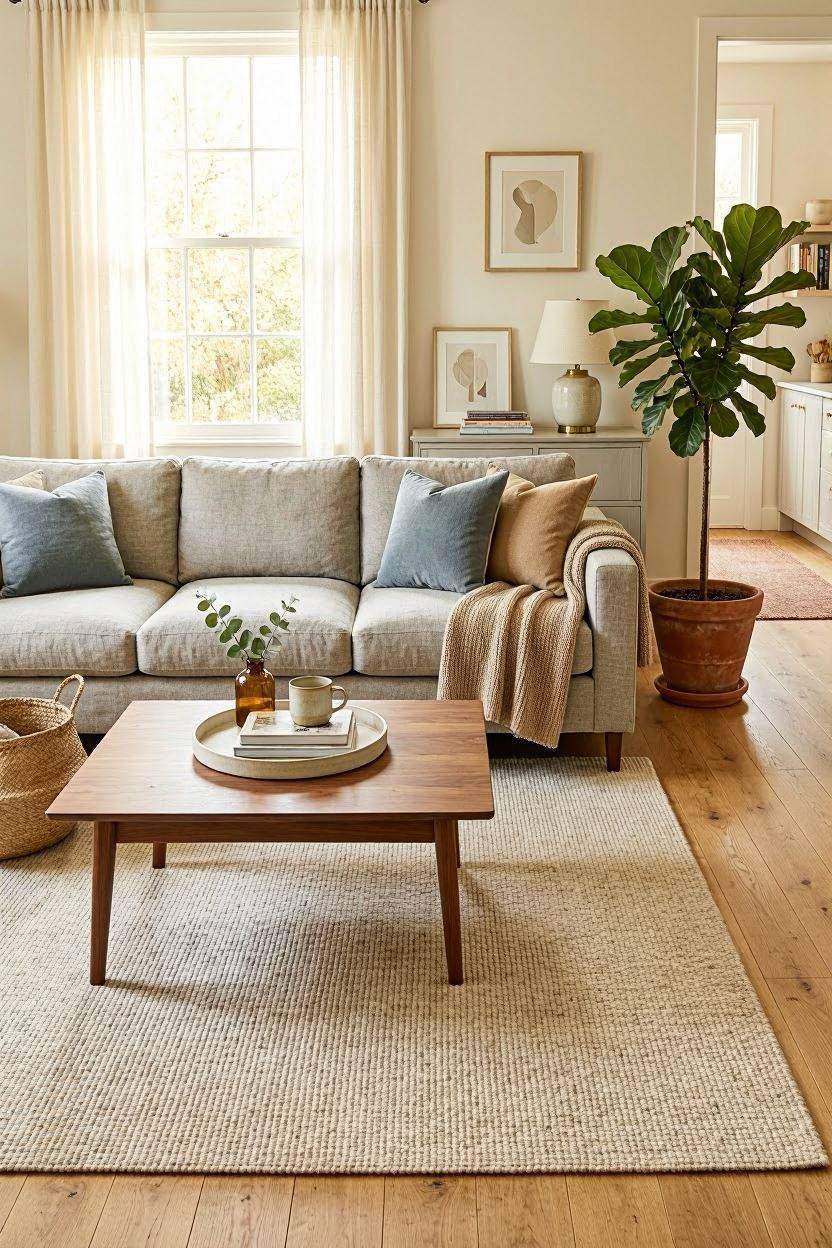
A rug isn’t just for warmth underfoot — it visually “holds” your furniture together. A common mistake is buying a rug too small, so it looks like it’s floating in the middle of the room.
As a rule, your front sofa legs should sit on the rug, not float off it. Popular budget-friendly options include Rugs USA and Ruggable (from about $80), while Pottery Barn and West Elm offer higher-end wool rugs from $300 to $500.
3. Build a Gallery Wall Instead of One Big Print
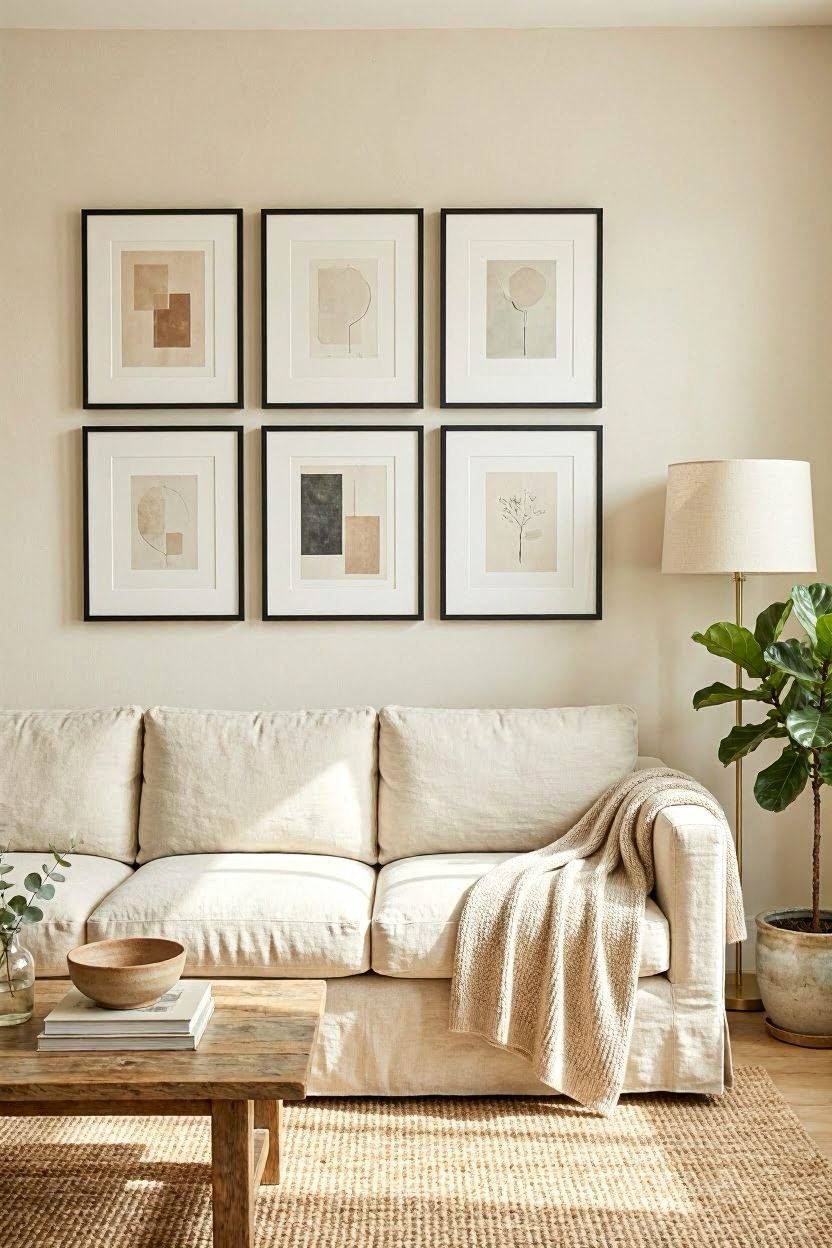
One large piece of art can feel expensive fast. A gallery wall — a mix of smaller framed prints, photos, and even mirrors — gives the same visual impact for less money and adds real personality.
Keep frame colors consistent (all black, all wood, or all gold) so the mix of sizes still looks intentional. HomeGoods, Etsy print shops, and Michaels frames are affordable starting points, usually $10 to $40 per piece.
4. Mix Textures With Throw Pillows
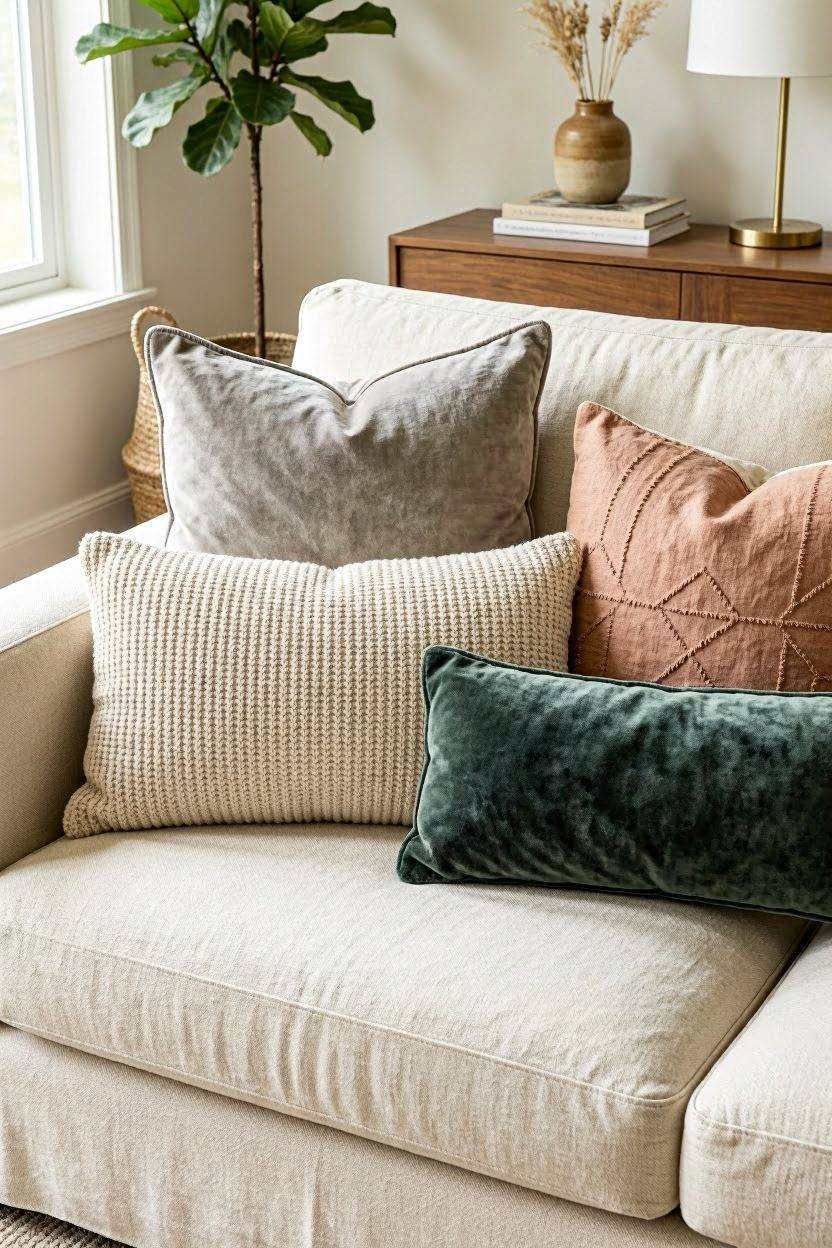
Matching pillow sets look flat in photos and in person. Mixing textures — a linen cover, a knit cover, a velvet cover — makes a plain sofa look styled without changing the sofa at all.
A simple formula: 2 large pillows, 2 medium pillows, and 1 smaller accent pillow in a contrasting texture or pattern. Brands like Pottery Barn, H&M Home, and Target’s Threshold line all offer covers in the $15 to $35 range.
5. Add an Accent Chair for a Second Seating Spot
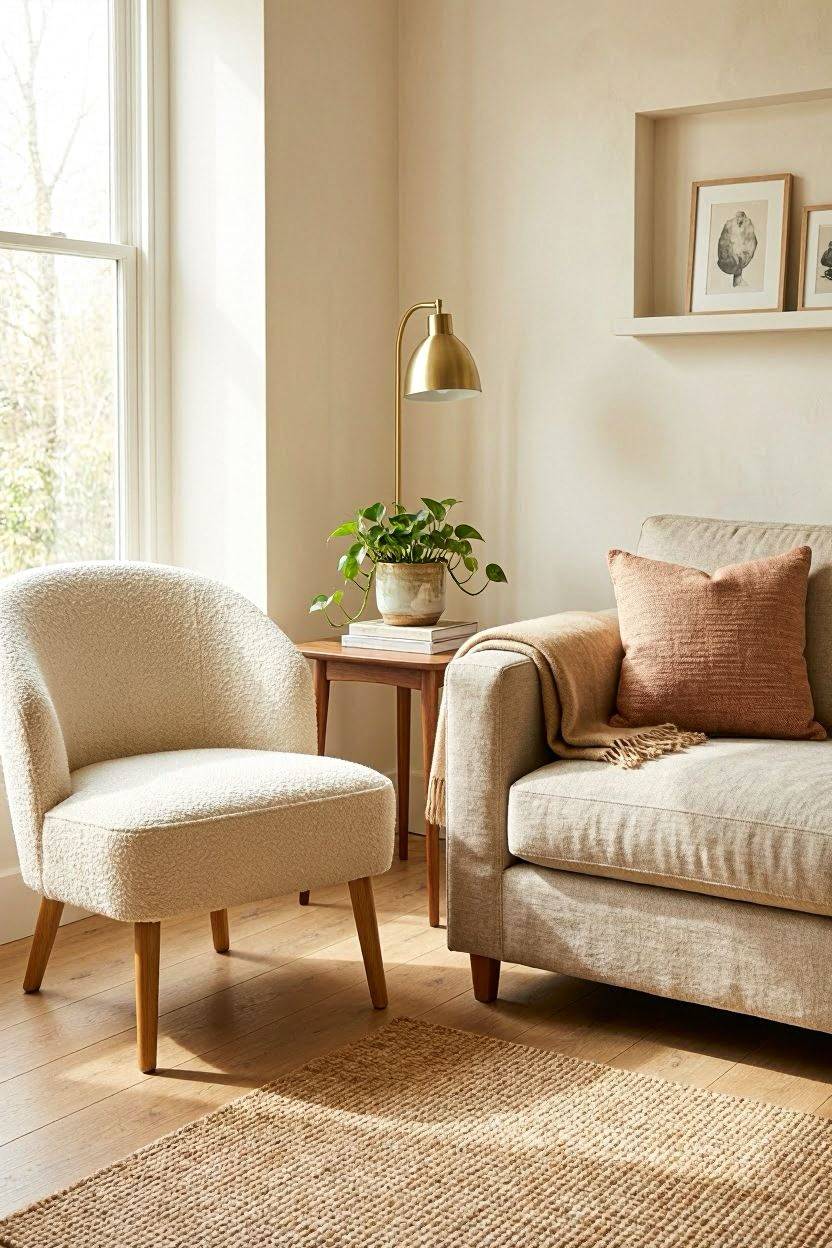
An accent chair breaks up a room that’s all sofa and no personality. It also gives you a second seating option, which is useful when guests come over.
Choose a chair that contrasts your sofa slightly — if your sofa is a solid neutral, a chair in a bold color, pattern, or a different material (like a boucle or leather) adds interest without clashing. Article and Wayfair both carry accent chairs starting around $200.
6. Style Your Coffee Table Like a Designer Would
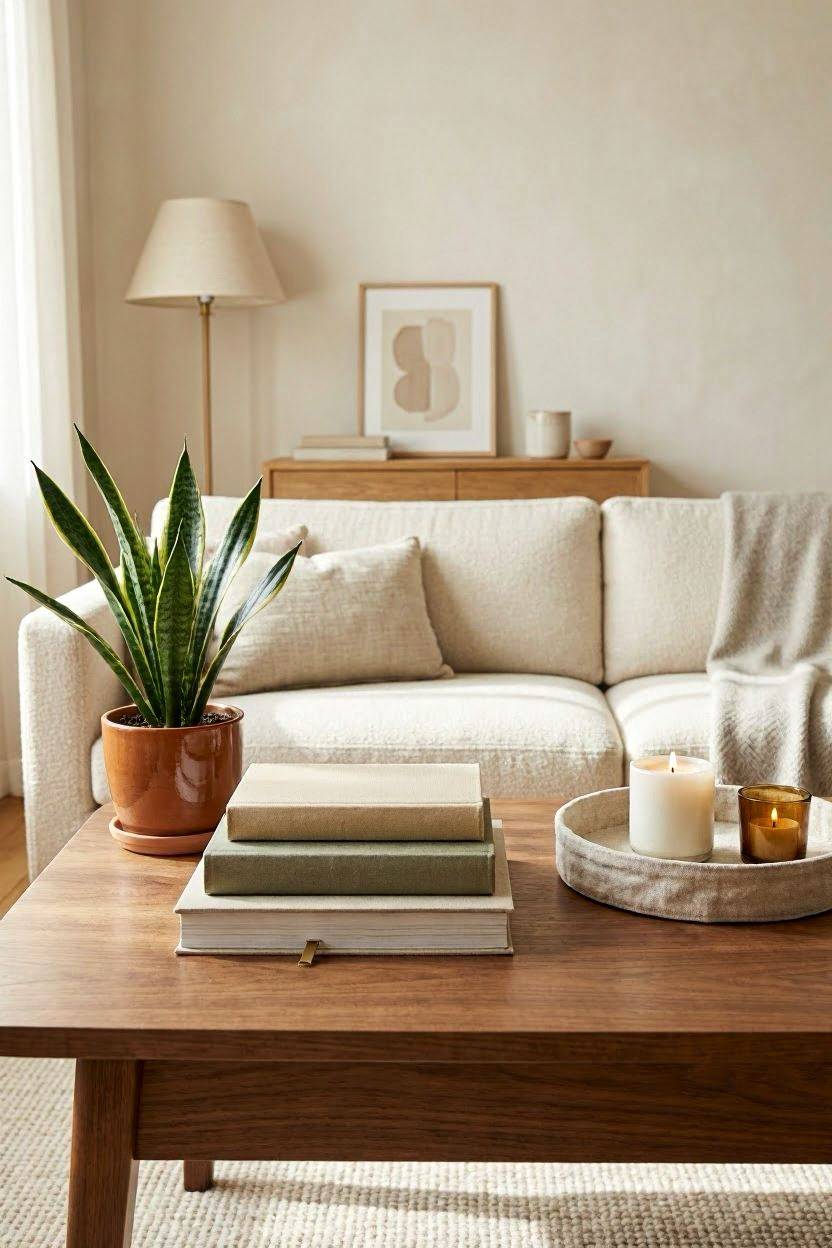
An empty or cluttered coffee table makes the whole room feel unfinished. The easiest styling trick is the “rule of three”: a stack of books, a small tray with candles or a small plant, and one decorative object like a bowl or sculpture.
Keep height varied — short, medium, tall — so your eye moves around the table instead of landing flat. Most of these pieces cost under $20 each at HomeGoods or Target.
7. Hang Curtains Higher and Wider Than the Window
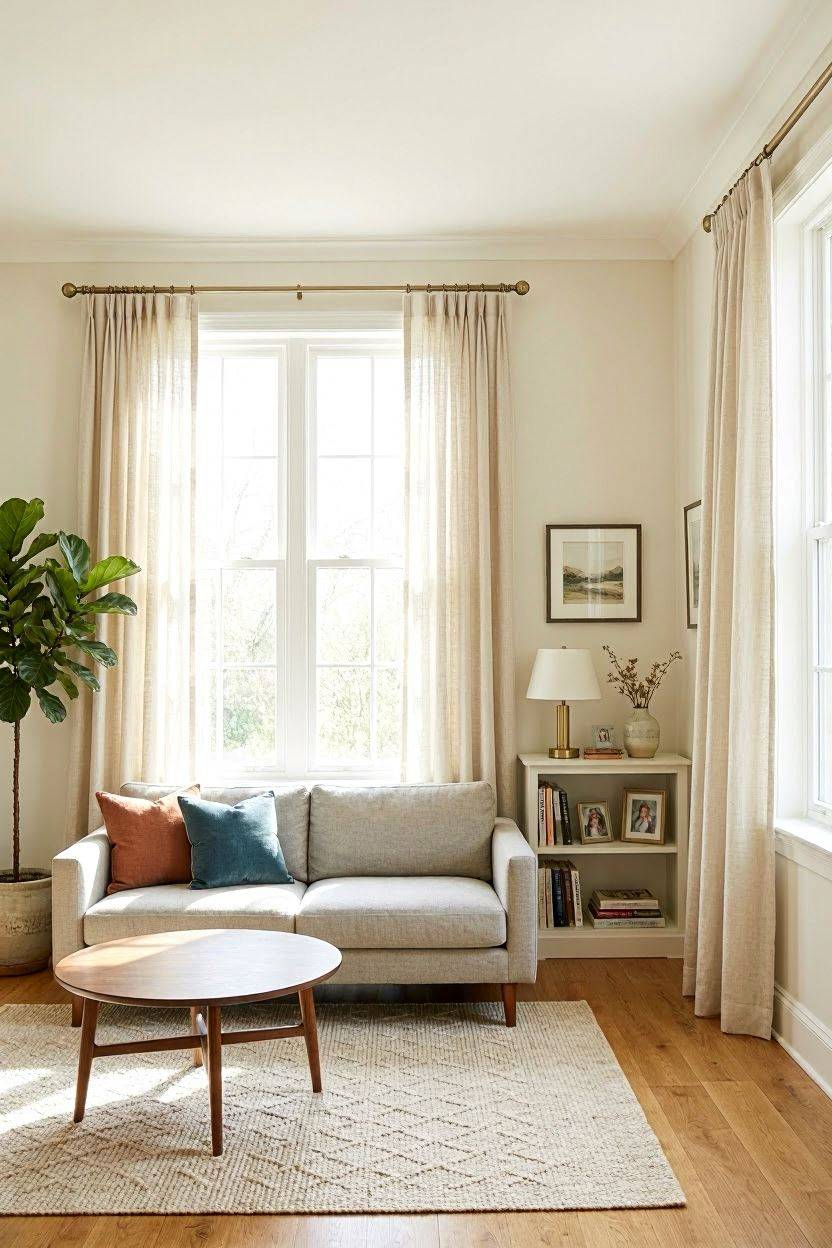
This is one of the cheapest tricks with the biggest visual payoff. Hanging curtain rods 4 to 6 inches above the window frame, and a few inches wider on each side, makes ceilings look taller and windows look bigger.
Choose curtains that touch (or barely graze) the floor — curtains that stop short above the floor make a room look smaller, not bigger. IKEA and Amazon both sell affordable curtain panels from around $25 to $50 a pair.
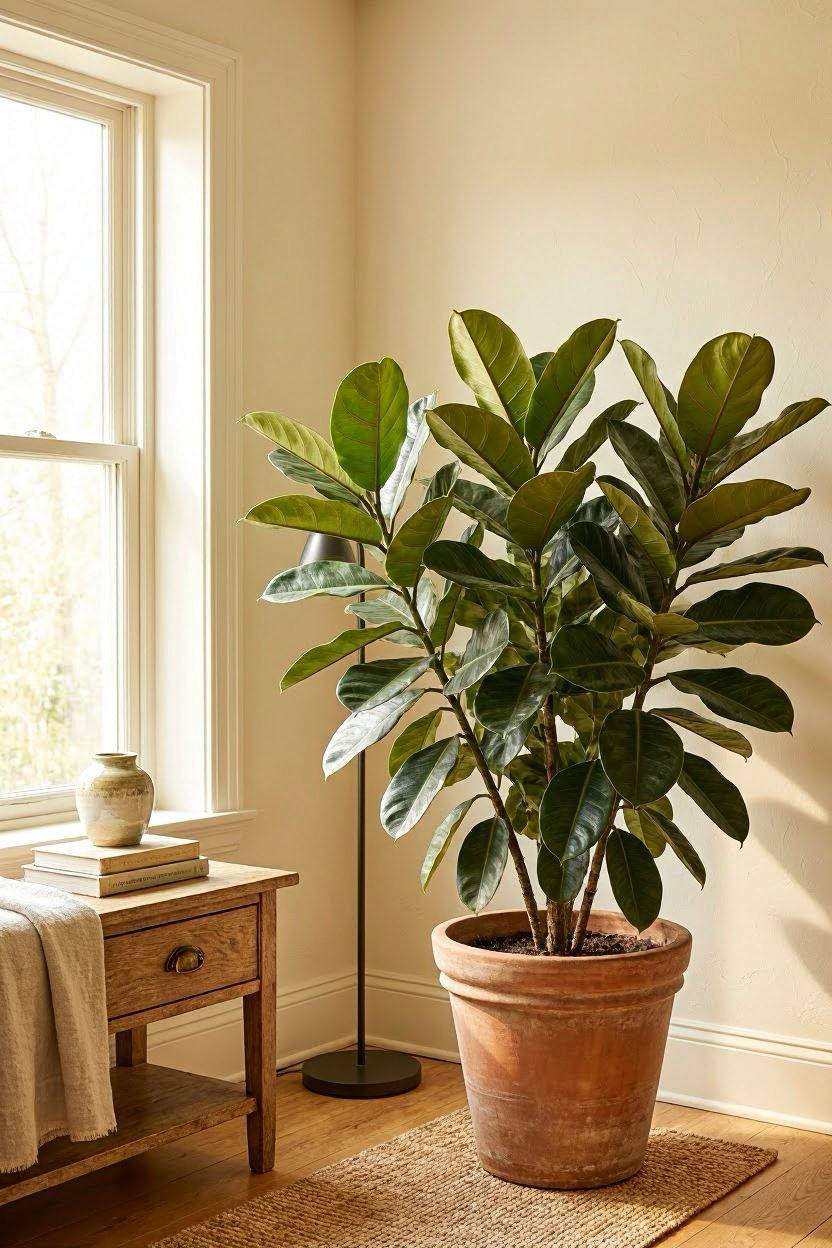
8. Bring in Real (or Realistic Faux) Plants
Plants soften hard furniture lines and add a natural pop of color that most living rooms are missing. If you don’t have much natural light or a track record with plant care, high-quality faux plants from Nearly Natural or Target look convincing from a normal viewing distance.
For real plants, low-maintenance options like a pothos, snake plant, or ZZ plant are nearly impossible to kill and cost around $15 to $40 at most garden centers.
9. Use a Mirror to Bounce Light and Add Depth
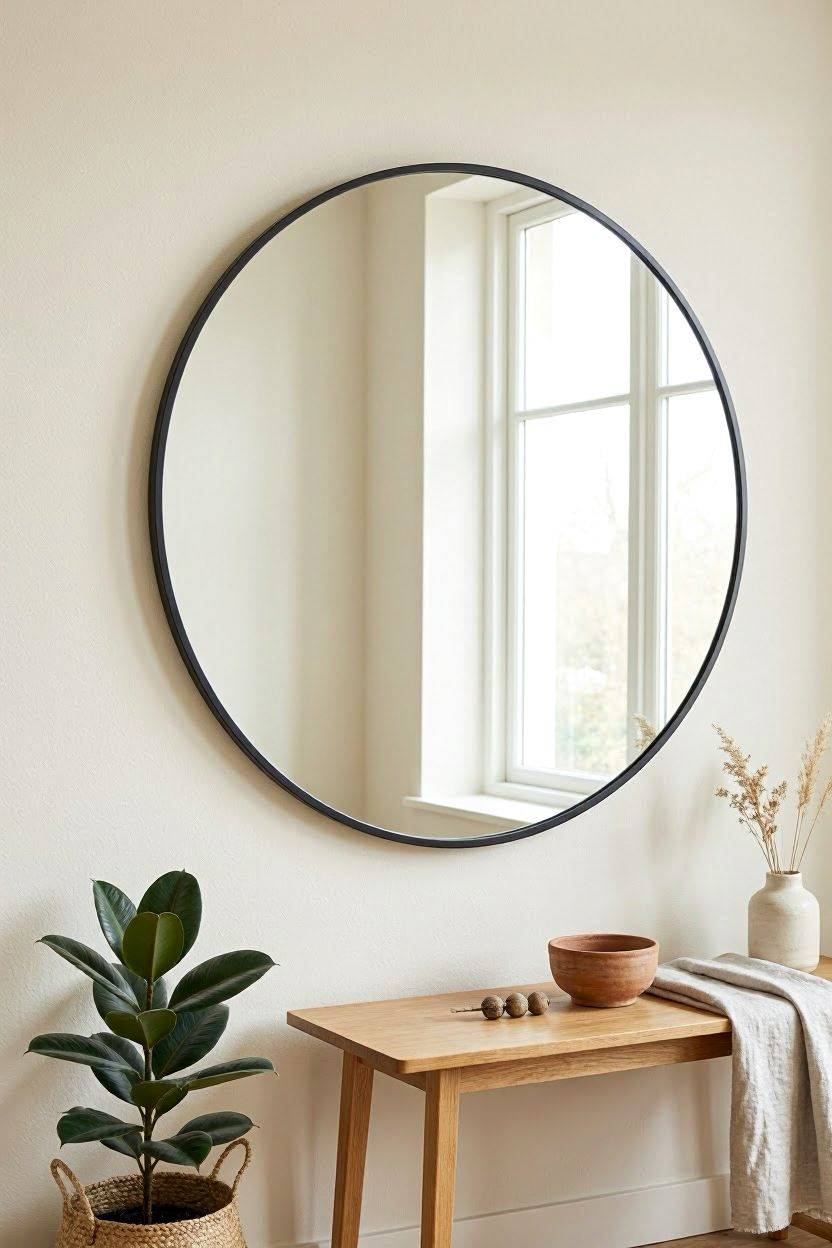
A well-placed mirror can make a small or dark living room feel noticeably bigger and brighter. Position it across from a window so it reflects natural light back into the room, rather than facing a blank wall.
An oversized round or arched mirror also works as a piece of art on its own, so it does double duty. Options from Amazon and CB2 range from about $60 for smaller pieces to $300 for large statement mirrors.
10. Finish With Personal Accessories
The last step is what actually makes a room feel like home instead of a showroom: a few framed photos, a travel souvenir, a candle in a scent you love, or a small stack of your favorite books.
This step costs almost nothing if you’re using things you already own — it’s really about editing what’s out and choosing a few meaningful pieces instead of many small, cluttered ones.
A Quick Word on DIY Touches
If you enjoy hands-on projects, several of these ideas work well as weekend DIYs — repainting an old frame for your gallery wall, no-sew pillow cover refreshes, or building a simple floating shelf for plant styling. These aren’t required to get the look, but they’re a good way to save money if you’re comfortable with basic tools and a free afternoon.
Frequently Asked Questions
How much does it cost to redecorate a living room on a budget? Most of the ideas above can be done for $200 to $600 total if you focus on lighting, pillows, and accessories first, and add a rug or accent chair later.
What is the easiest decor idea to start with? Layered lighting and coffee table styling are the fastest and cheapest changes — both can be done in under an hour with items you may already own.
Do I need to hire an interior designer for this? No. All 10 ideas above are designed for homeowners to do themselves, with no special tools or training needed.
What colors make a living room look bigger? Light neutrals (warm white, soft beige, light gray) on walls and large furniture pieces like sofas tend to make a room feel more open, especially when paired with a mirror and layered lighting.
Final Thoughts
You don’t need to redo your entire living room to make it feel better. Start with one or two ideas from this list — lighting and a rug are a great place to begin — and build from there as your budget allows. Small, intentional changes almost always beat one big, rushed purchase.