10 Living Room Layout Ideas That Instantly Make a Space Feel Bigger
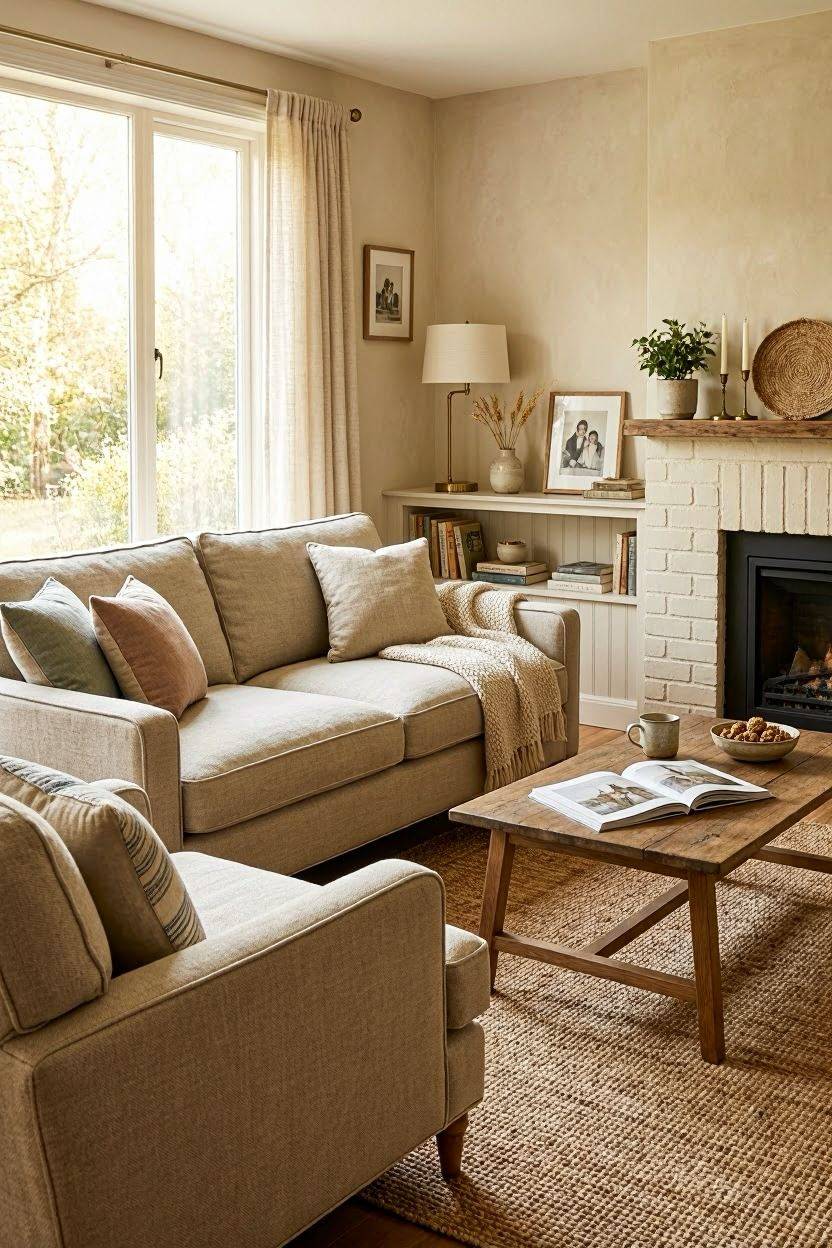
Rearranging your living room doesn’t cost a single dollar, but it can completely change how the room feels. A good layout makes conversation easy, keeps traffic flowing, and gives every piece of furniture a reason to be where it is.
Below are 10 living room layout ideas you can copy for almost any room size or shape, plus the spacing rules interior designers actually use.
Quick Reference: Furniture Spacing Rules
| Area | Recommended Space | Why It Matters |
|---|---|---|
| Walking path (main traffic) | 30–36 inches | Lets people pass without squeezing by |
| Between sofa and coffee table | 14–18 inches | Comfortable for legs, easy to reach drinks |
| Between two facing seats | 8–10 feet | Ideal distance for conversation |
| TV distance from seating | 1.5x the TV’s screen size (diagonal) | Keeps viewing comfortable on the eyes |
| Around a rug edge | 12–18 inches of floor showing | Keeps the room from feeling boxed in |
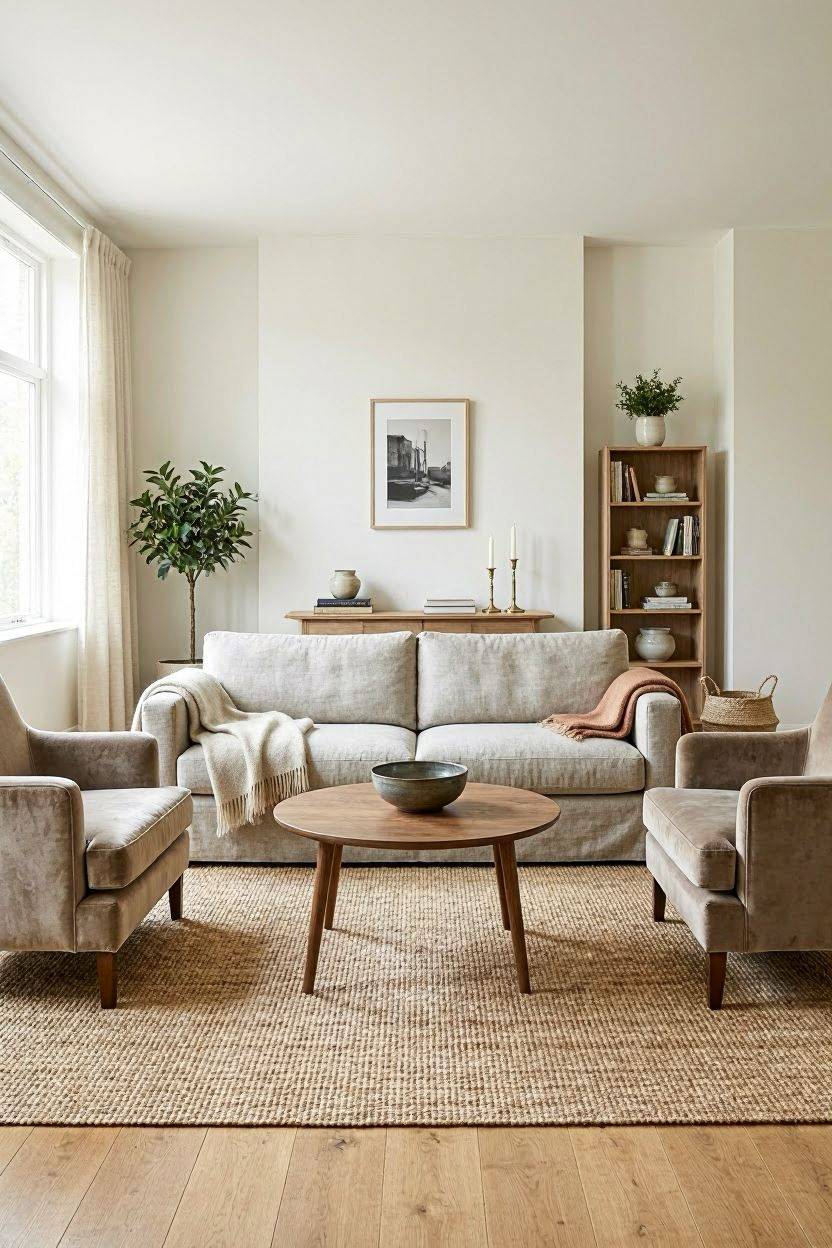
1. Symmetrical Balanced Layout
This is the classic, safe-and-elegant layout. Two matching chairs face a sofa, with a coffee table centered between them and a rug tying the whole group together.
Best for: rectangular living rooms, formal spaces, and anyone who wants a timeless look.
Try it with: a pair of accent chairs like IKEA’s Strandmon ($279 each) facing a neutral sofa from Article or West Elm ($1,200–$2,000).
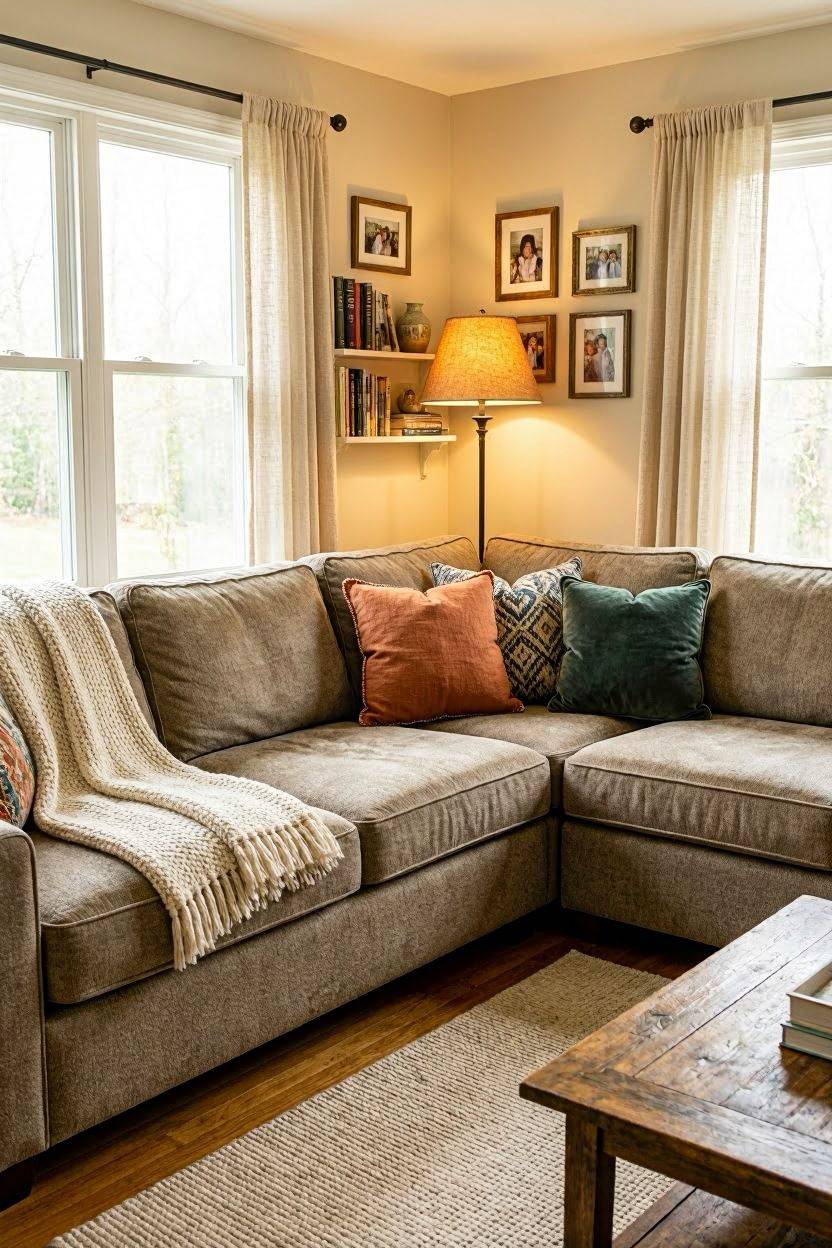
2. L-Shaped Sectional Corner Layout
An L-shaped sectional tucked into a corner frees up the rest of the floor and creates one big, relaxed lounging zone. This works especially well in family rooms where people like to stretch out.
Best for: square or wide rooms, families, movie nights.
Try it with: a sectional such as Burrow’s Nomad Sectional (from $2,395) or a budget option from Lovesac.
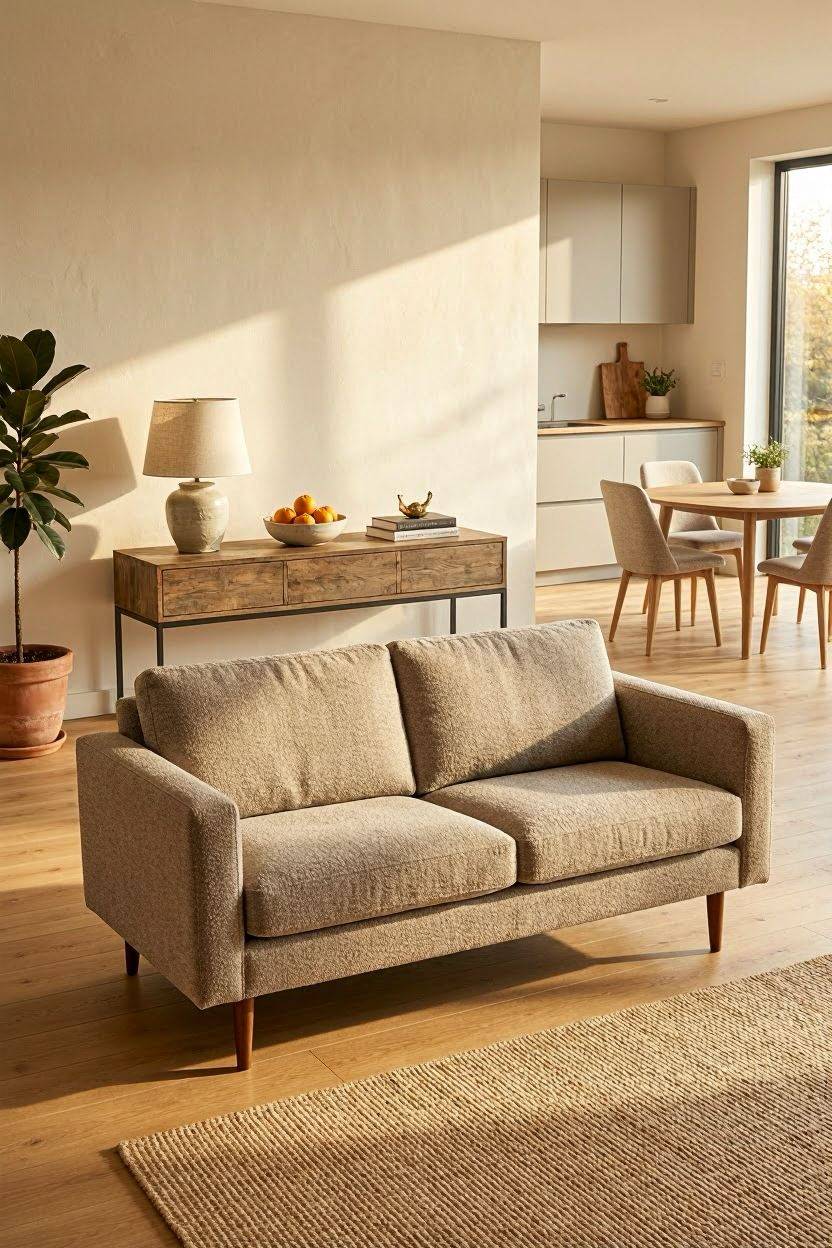
3. Floating Furniture Layout
Instead of pushing every piece against the wall, pull your sofa and chairs a few feet into the room. This “floating” trick makes even a small living room feel more like a real lounge instead of a waiting room.
Best for: open-concept homes, rooms with awkward wall space, modern interiors.
Tip: add a slim console table behind the sofa to define the back edge and give it a finished look.
4. Conversation Circle Layout
Arrange seating in a loose circle or oval around a central rug and coffee table. Nobody has to raise their voice, and every seat feels included.
Best for: entertaining, apartments, rooms without a TV as the main focus.
Try it with: two matching loveseats facing each other plus one accent chair to complete the circle.
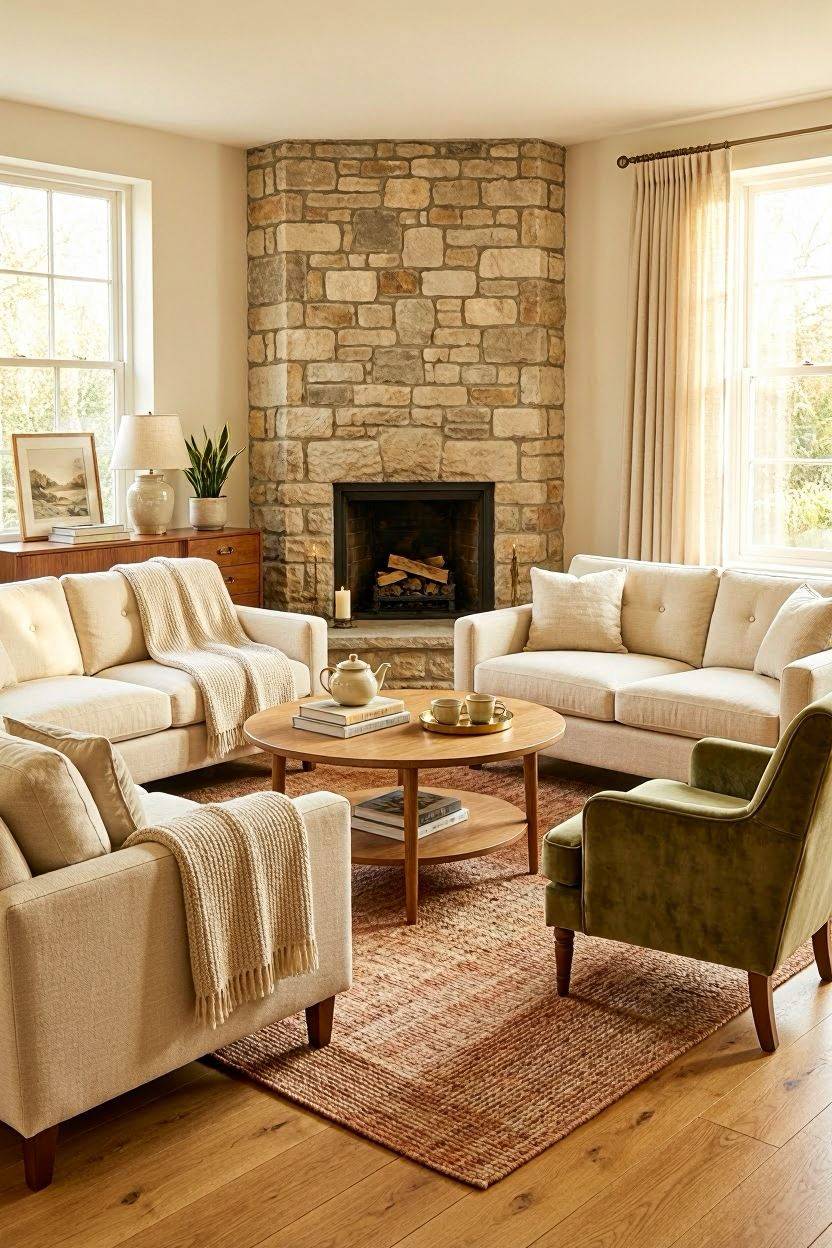
5. Zone-Based Layout for Open Concept Rooms
When your living room flows into the kitchen or dining area, use a rug and a sofa placed perpendicular to the wall to mark where the living room “ends.” This keeps an open floor plan from feeling like one giant, confusing space.
Best for: open-concept homes, studio apartments, new-build houses.
| Zone | Furniture Anchor | Rug Size Guide |
|---|---|---|
| Living zone | Sofa + coffee table | 8x10 ft |
| Dining zone | Table + 4-6 chairs | 6x9 ft under table |
| Entry zone | Console table | Runner, 2x6 ft |
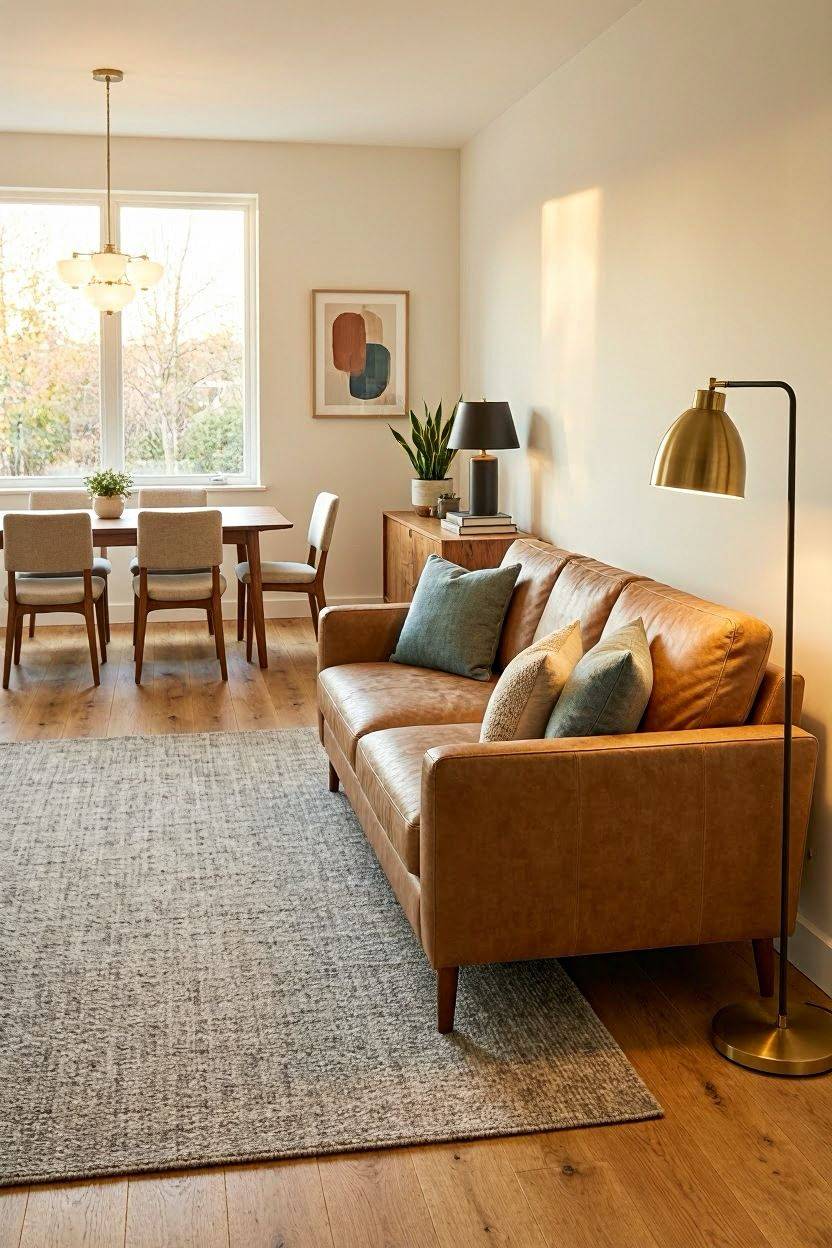
6. Small Living Room Layout With Multi-Functional Furniture
In a small space, every piece should earn its spot twice. A storage ottoman replaces a coffee table and hides blankets. A loveseat replaces a full sofa without losing seating for two.
Best for: studio apartments, city living rooms, rental units.
Try it with: a storage ottoman ($90–$150 at Target or Wayfair) and a slim 2-seater loveseat.
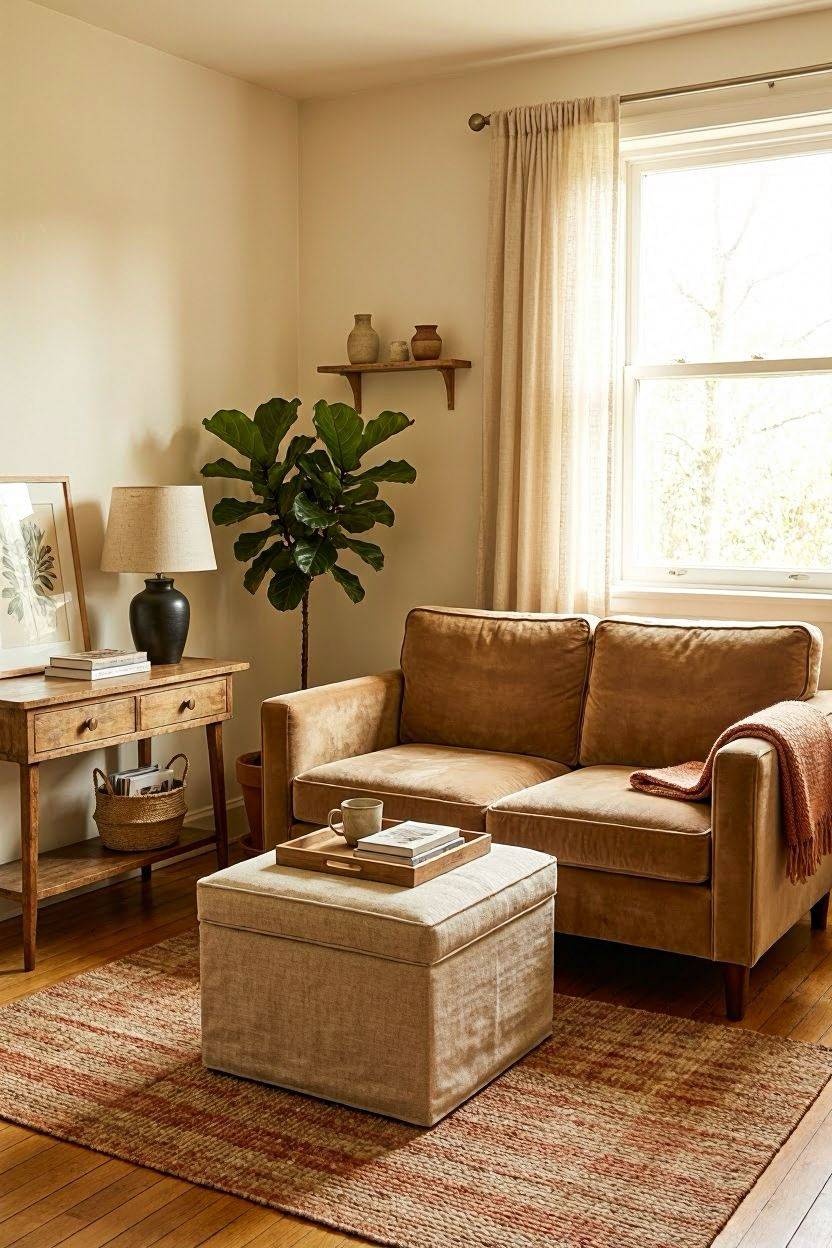
7. Long and Narrow Room Layout
Long, narrow living rooms feel like hallways if you line every piece up along one wall. Instead, break the room into two smaller zones — a seating area on one end and a reading nook or media console on the other.
Best for: railroad-style apartments, older homes, basements.
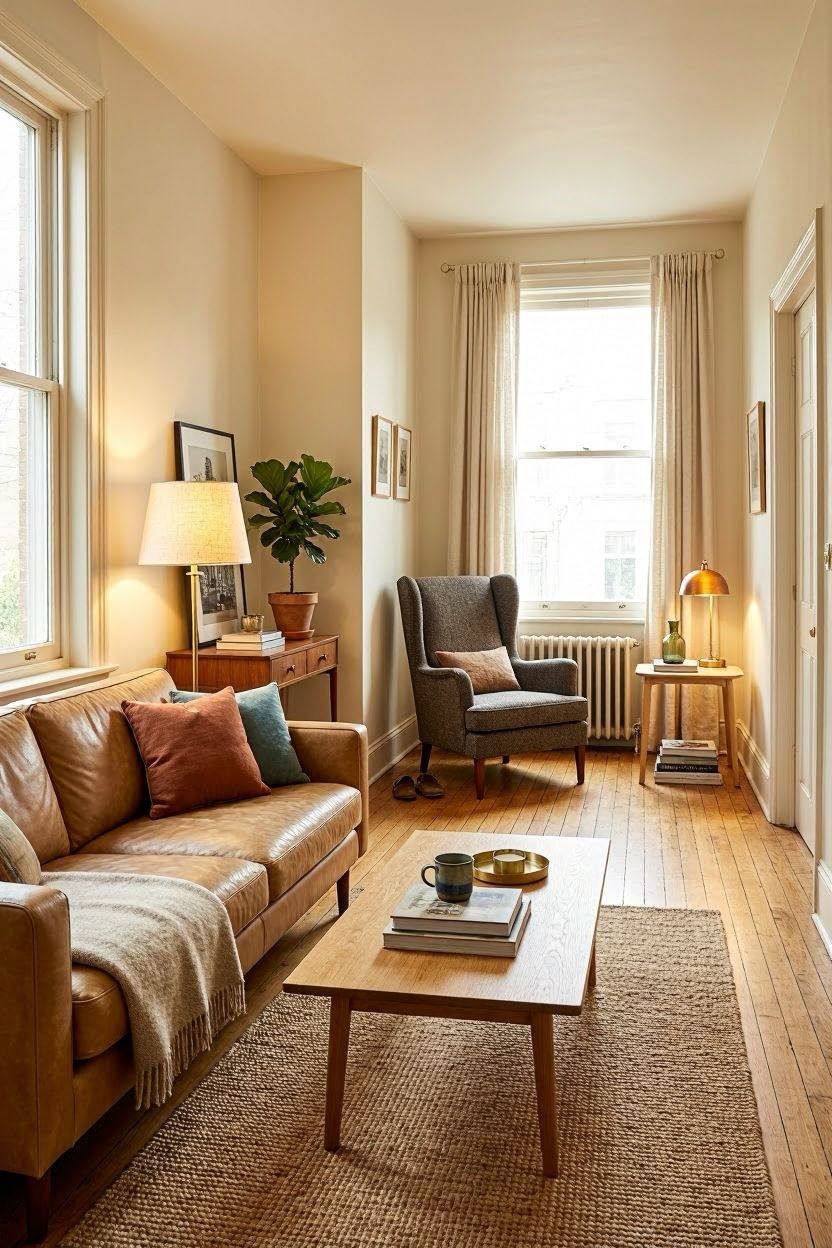
8. Layout Built Around a Focal Point
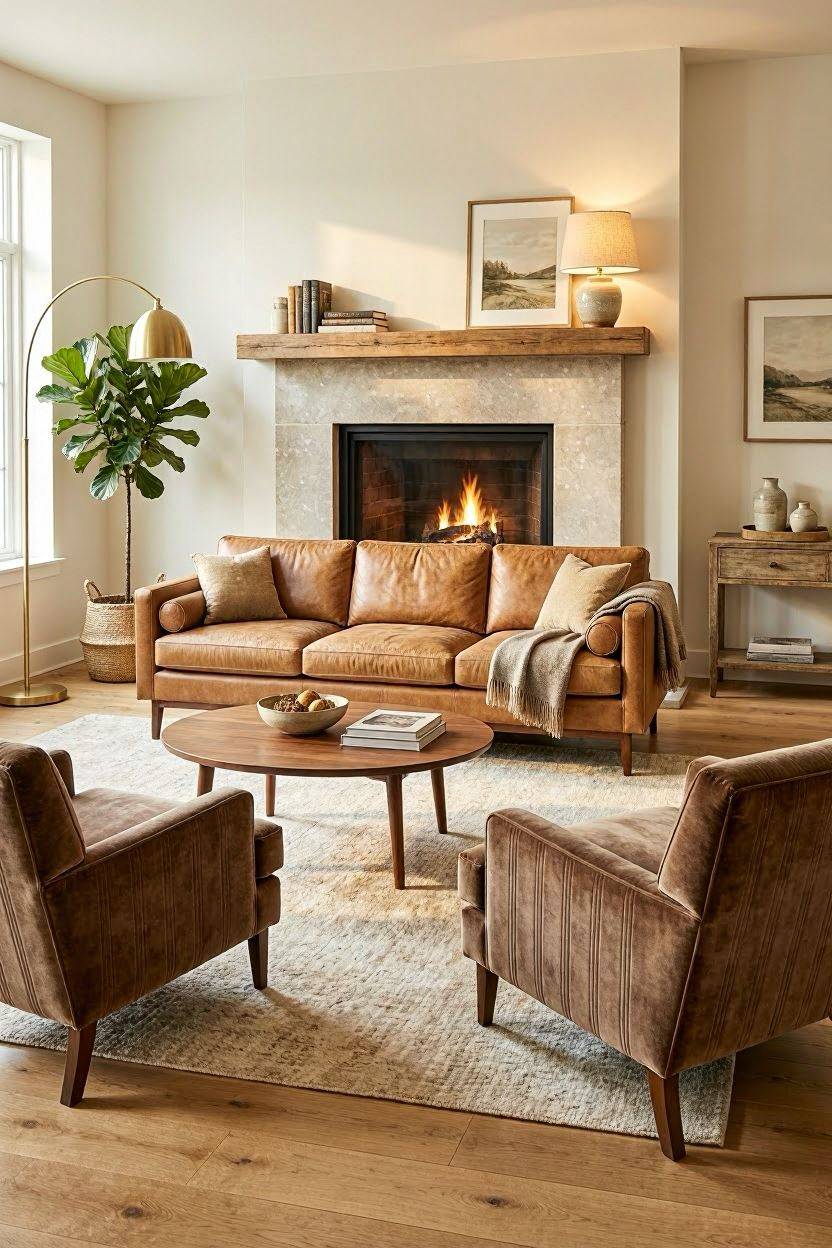
Every great living room layout has one hero: a fireplace, a big window, or a TV wall. Arrange seating facing that one focal point instead of scattering attention across the room.
Best for: rooms with a fireplace, statement wall, or large window view.
| Focal Point | Best Seating Arrangement |
|---|---|
| Fireplace | Two chairs angled toward it, sofa facing it |
| TV wall | Sofa directly across, at eye level when seated |
| Large window | Seating angled to enjoy the view without glare |
9. Living Room and Dining Combo Layout
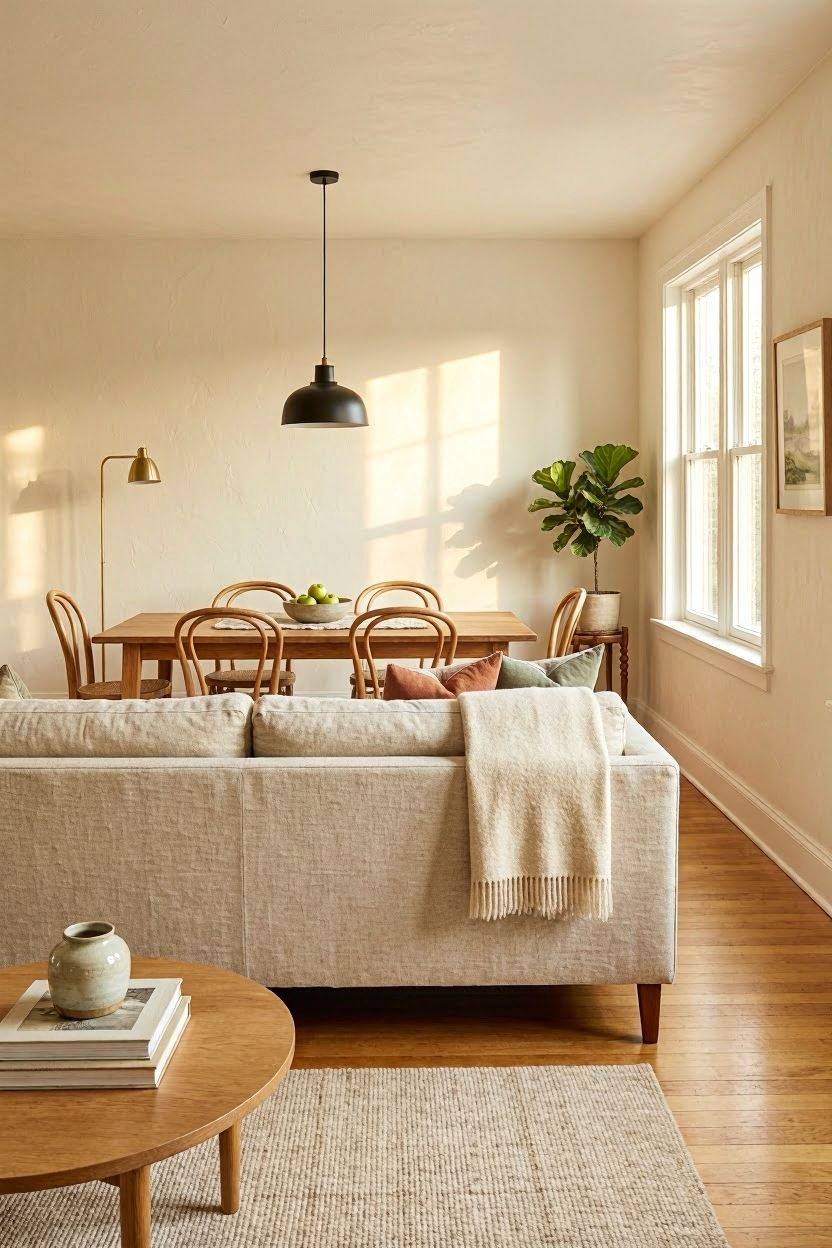
If your living and dining areas share one room, place the sofa with its back to the dining table to create a soft divider. A bookshelf or console table can reinforce the line even further.
Best for: apartments, condos, small houses without a separate dining room.
10. Flexible Layout for Renters
If you move often or share a space, keep furniture light and modular so the layout can change fast. Swappable, DIY-friendly options like modular sofas, nesting tables, and furniture on casters make rearranging painless without any tools or wall damage.
Best for: renters, roommates, anyone who likes to switch things up seasonally.
Try it with: modular pieces such as Burrow’s Range or IKEA’s Kivik series, which can be reconfigured without buying new furniture.
Final Thoughts
You don’t need a big budget to make your living room feel brand new — you need the right layout for your room’s shape and how you actually use the space. Start with your focal point, measure your walking paths, and build outward from there. Small changes, like floating your sofa a few feet from the wall or angling two chairs toward the fireplace, often make the biggest difference.
Frequently Asked Questions
What is the best living room layout for a small space? A floating furniture layout or a small-space layout with multi-functional pieces like a storage ottoman usually works best, since it avoids clutter and keeps the floor open.
How much space should be between furniture in a living room? Leave at least 30–36 inches for walking paths and 14–18 inches between a sofa and coffee table.
Should a sofa always face the TV? Not always. If your room has a fireplace or a nice window, you can build the layout around that focal point instead and keep the TV as a secondary feature.
Is it okay to place furniture away from the walls? Yes. Floating furniture a few feet from the wall often makes a room feel more intentional and less like everything was just pushed back for space.