Balcony Elevator Design Ideas: 9 Stylish Ways to Elevate Your Outdoor Space
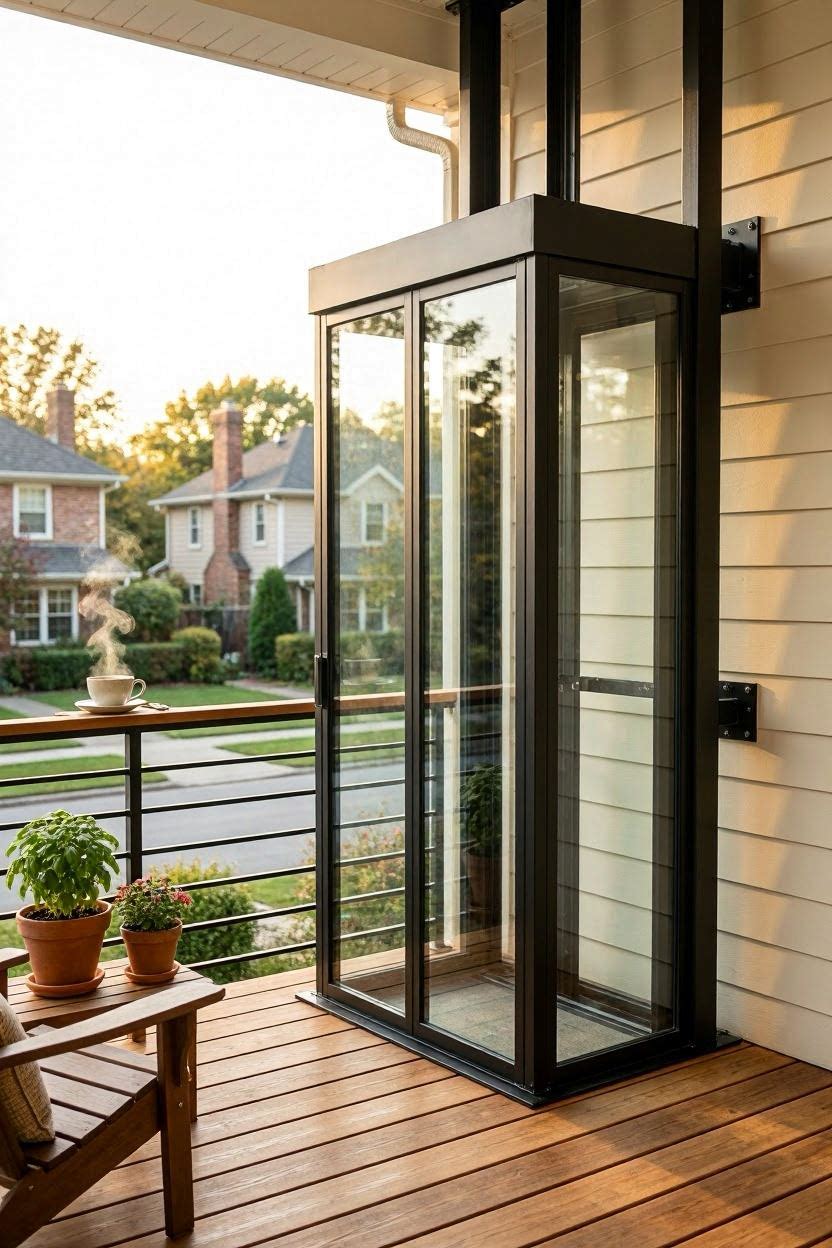
If you’re short on stairs, short on mobility, or just short on patience for hauling groceries up to a second-floor balcony, a balcony elevator can be a genuine upgrade — not just a mechanical fix, but a design feature in its own right. The good news is you don’t have to choose between function and style. With the right frame finish, materials, and a little planning, a balcony lift can blend into your outdoor space instead of sticking out like an afterthought.
This guide walks you through the design side of balcony elevators step by step: the types available, how to size one for your space, materials that age well outdoors, safety must-haves, and how to make it match the rest of your balcony decor. We’ll also talk pricing in real dollars so you know what to expect before you call anyone for a quote.
1. Types of Balcony Elevator Designs to Consider
Not every balcony lift works the same way, and picking the right type early saves you money and redesign headaches later.
- Vertical Platform Lifts (VPLs) — an open or enclosed platform that travels along a rail. Most common choice for homes and easiest to dress up visually.
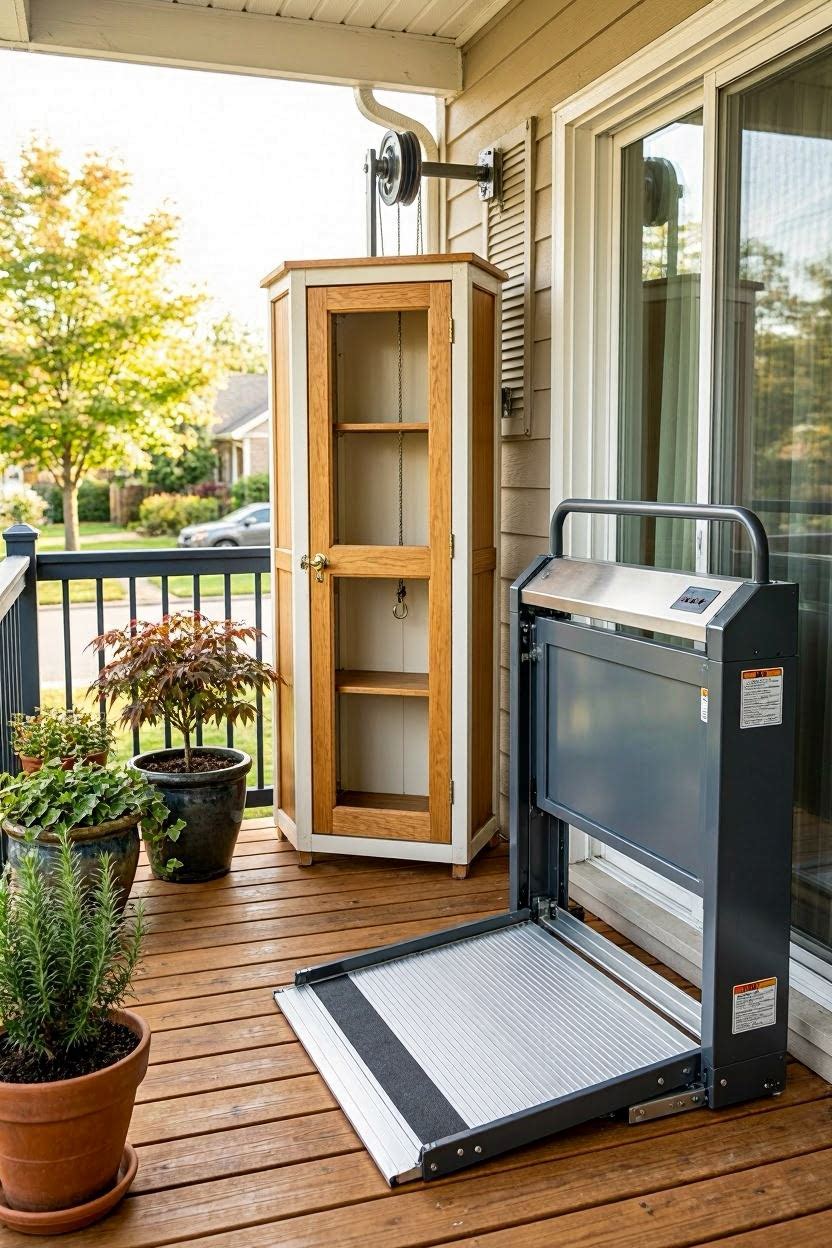
- Pulley-Style Dumbwaiters — a small manual or motorized cage, great for moving groceries, luggage, or planters rather than people.
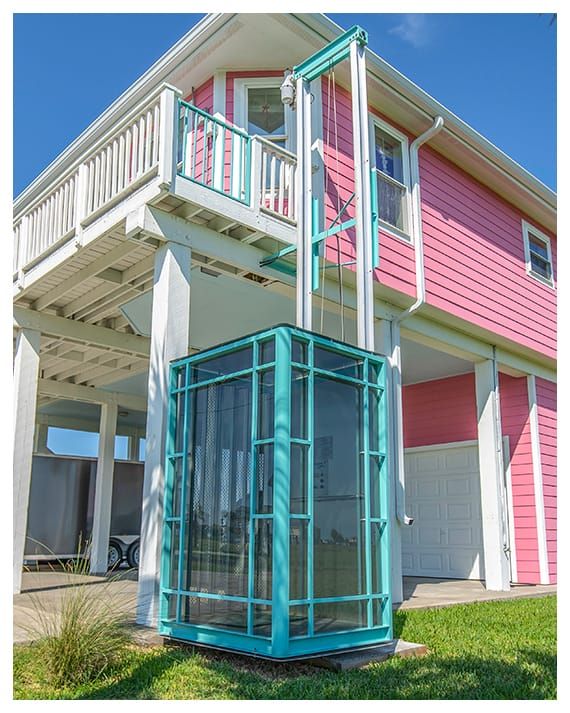
- Enclosed Residential Elevators — a small cab, similar to an indoor home elevator, that opens directly onto the balcony. Best for multi-floor homes with frequent use.
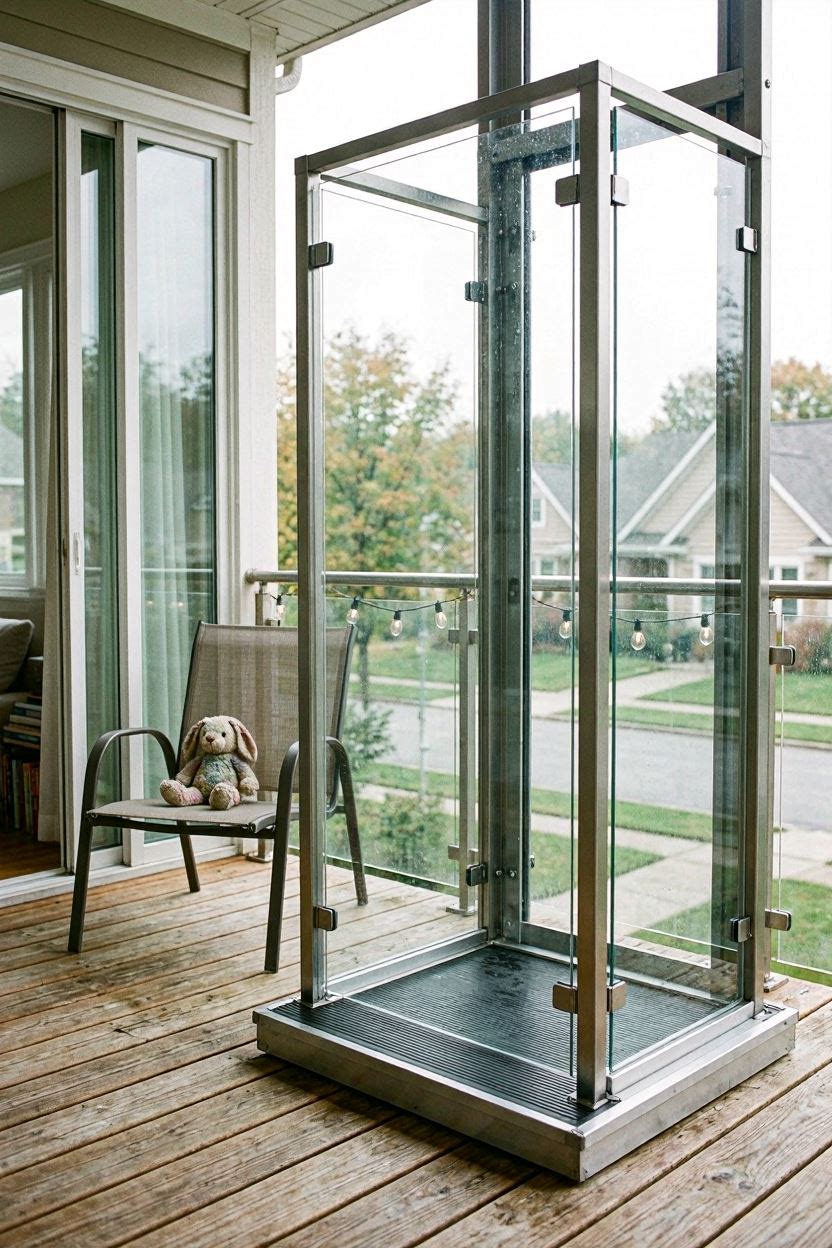
- Pneumatic Vacuum Lifts — a cylindrical, glass-walled lift that uses air pressure. Compact footprint and a striking visual feature on its own.
| Type | Best For | Average Cost (USD) | Space Needed |
|---|---|---|---|
| Vertical Platform Lift | Wheelchair/mobility access | $4,000–$12,000 | 36–48 sq ft |
| Pulley Dumbwaiter | Moving goods only | $1,500–$5,000 | 9–16 sq ft |
| Enclosed Residential Elevator | Daily multi-floor use | $20,000–$45,000 | 25–40 sq ft |
| Pneumatic Vacuum Lift | Compact homes, design statement | $35,000–$60,000 | 15–25 sq ft |
2. How to Plan the Right Size for Your Balcony
Before you fall in love with a design, check whether your balcony can actually hold it. Measure depth, width, and the clear floor space near your balcony door — most lifts need at least 30 inches of clearance to operate safely.
| Balcony Size | Recommended Type | Minimum Clear Space |
|---|---|---|
| Under 25 sq ft | Pulley dumbwaiter or pneumatic lift | 12 sq ft |
| 25–50 sq ft | Vertical platform lift | 36 sq ft |
| Over 50 sq ft | Enclosed residential elevator | 40+ sq ft |
A quick tip: always check your building’s structural load limit and local permit rules before committing to a design. Most cities require a permit for anything that involves a motor or load-bearing rail.
3. Best Materials for Style and Durability
Outdoor materials need to handle rain, sun, and temperature swings without looking tired after one season.
| Material | Durability | Avg. Cost per sq ft | Best Design Style |
|---|---|---|---|
| Tempered glass panels | High (UV & impact resistant) | $25–$40 | Modern, minimalist |
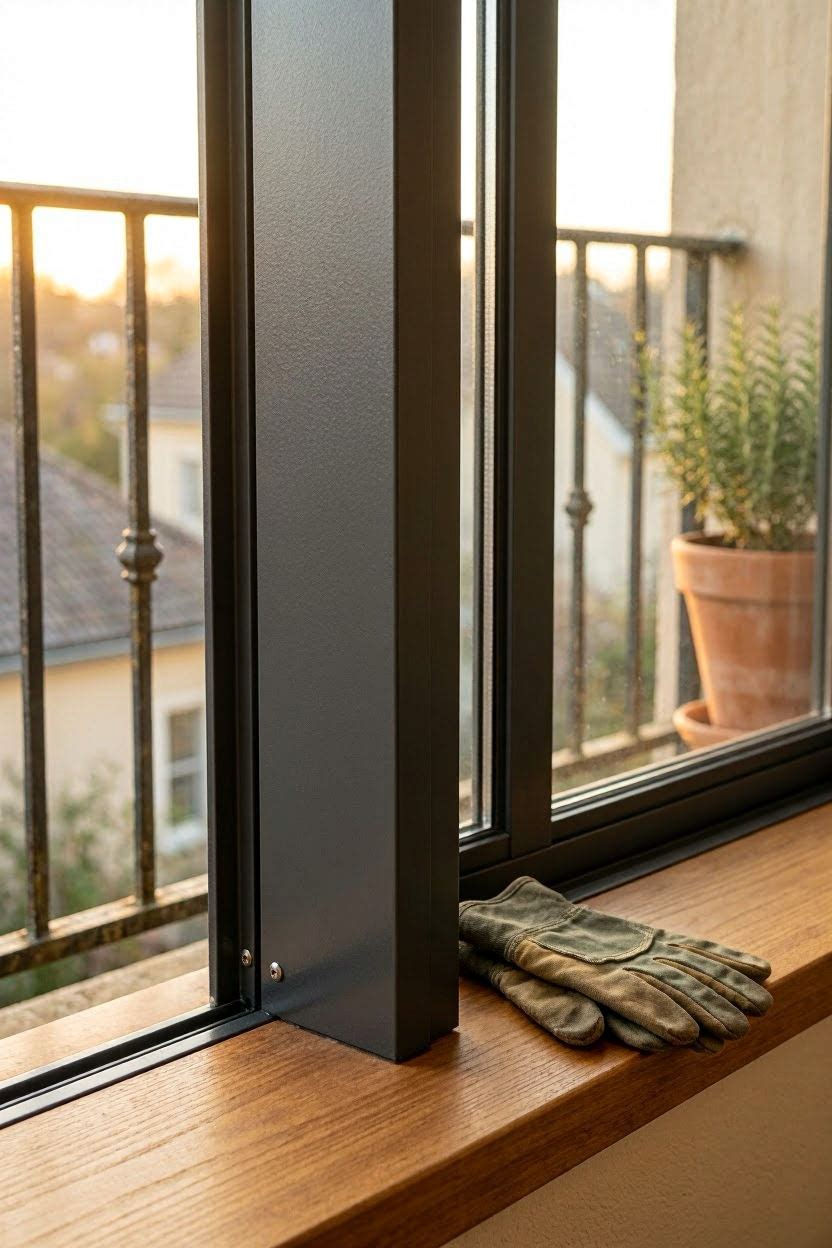
| Powder-coated aluminum frame | Very high (rust-proof) | $15–$25 | Industrial, contemporary |
| Teak or cedar wood accents | Medium (needs annual sealing) | $10–$18 | Coastal, farmhouse |
| Stainless steel cable railing | Very high | $20–$30 | Modern, minimalist |
4. Must-Have Safety Features for Balcony Elevators
Style matters, but safety is non-negotiable on anything that lifts weight off the ground. Look for these features when comparing designs:
- Emergency stop button within easy reach
- Weight-sensor auto-lock that stops the lift if it’s overloaded
- Non-slip, weather-resistant flooring on the platform
- Railing height that meets local building code (typically 36–42 inches)
- Sensors that prevent the lift from moving with an open gate or door
5. Matching Elevator Style to Your Balcony Decor
A lift doesn’t have to look like equipment. Treat the frame and railing like any other design element on your balcony.
- Modern minimalist — black matte aluminum frame, clear glass panels, no visible hardware.
- Coastal — whitewashed wood trim, rope railing accents, light blue or sand-toned base.
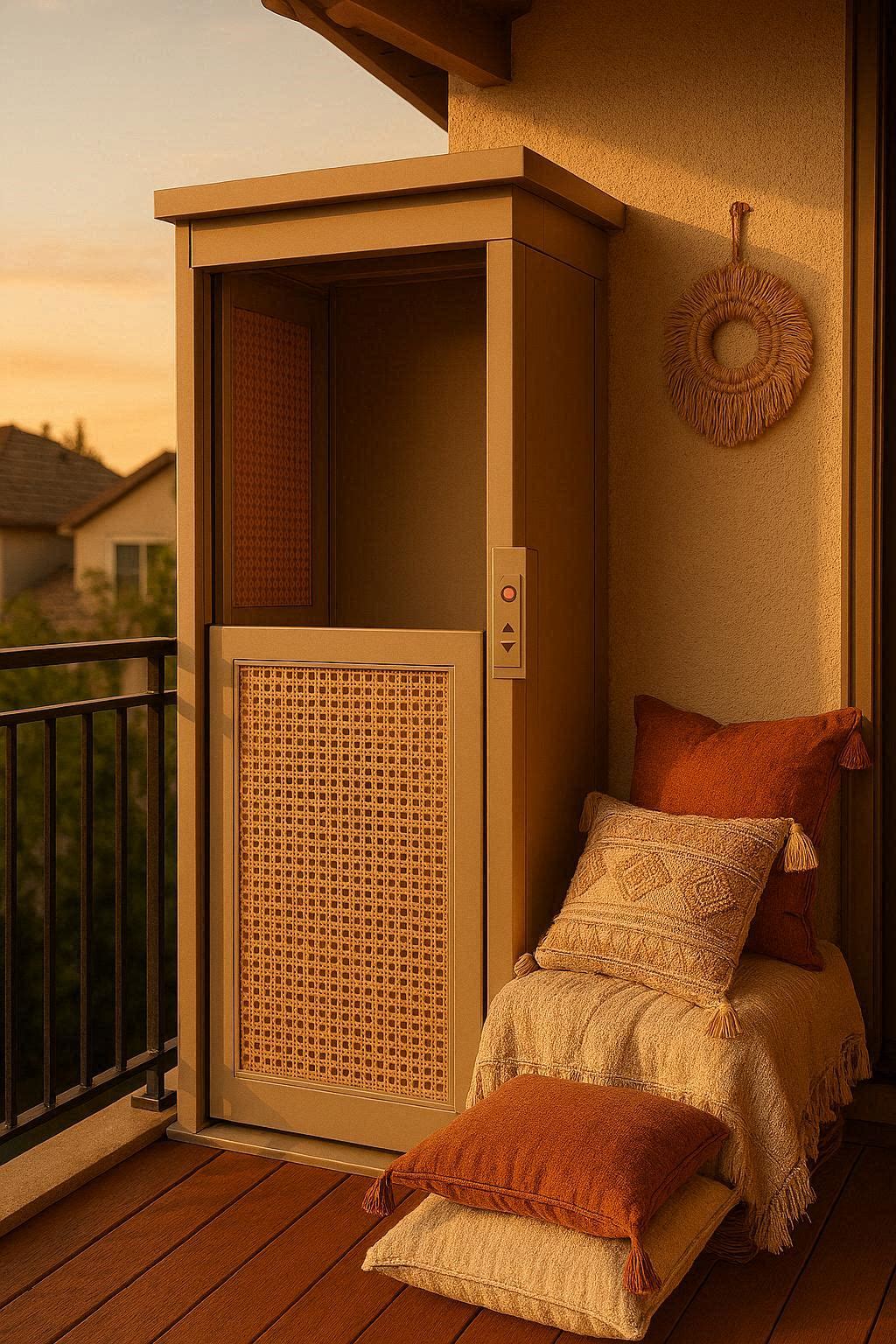
- Boho — natural rattan side panels, warm wood tones, layered textiles nearby.
- Industrial — exposed steel rail, raw metal finish, paired with Edison bulb lighting.
- Farmhouse — painted wood paneling, black hardware, simple straight lines.
6. Color Schemes That Blend Seamlessly
The easiest way to make a lift feel intentional is to repeat a color that’s already on your balcony — your railing, your planters, even your outdoor rug.
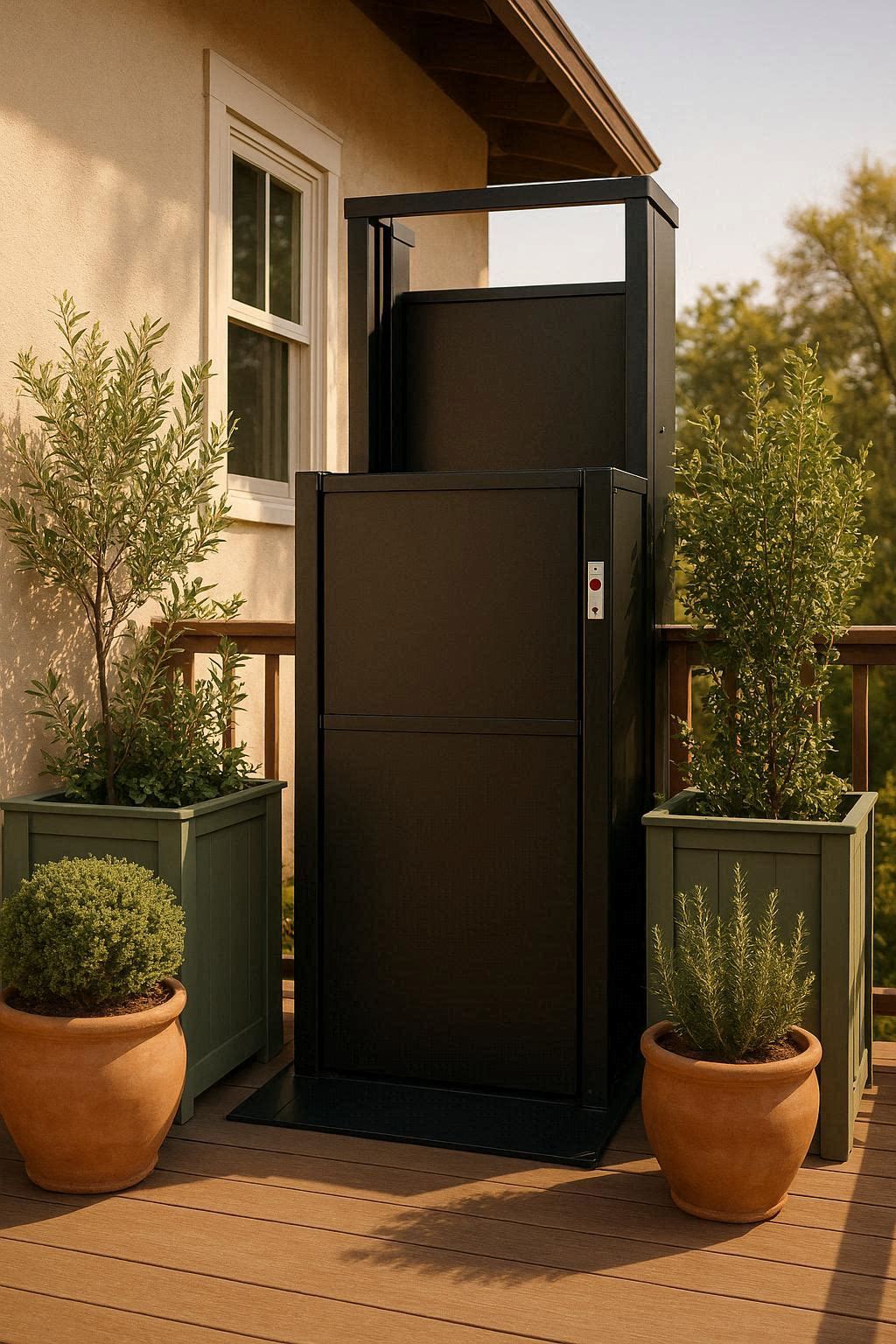
- Matte black — pairs with almost any modern or industrial balcony
- Warm sage green — soft, trending shade that works with greenery-heavy balconies
- Terracotta accents — pairs beautifully with wood tones and warm lighting
- Soft white or cream — keeps small balconies feeling open and airy
7. Lighting Ideas for Evening Appeal
A well-lit lift looks like a design feature after dark instead of disappearing into the shadows.
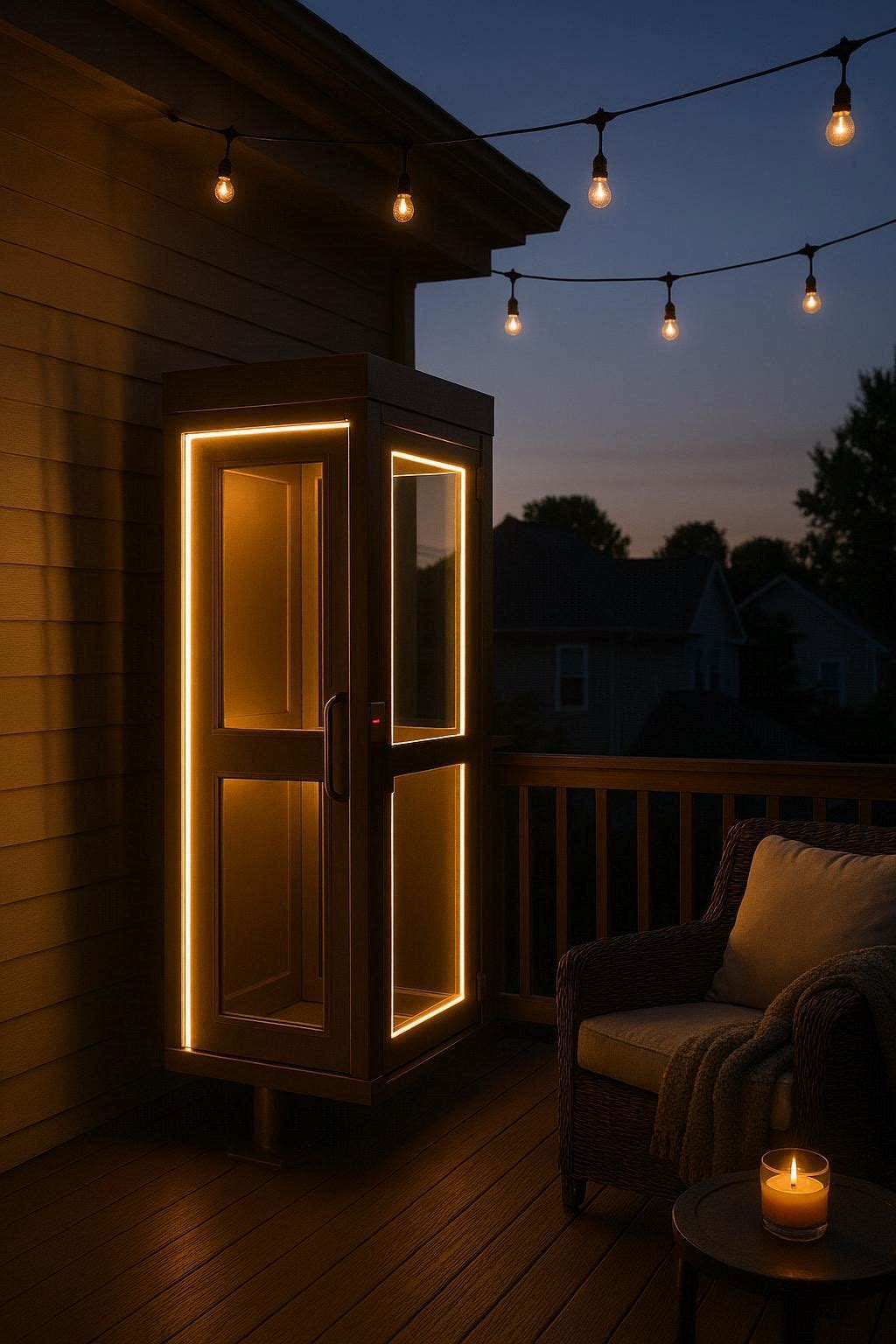
- Warm white LED strips along the platform edge
- Solar step lights along the rail track
- Hanging lantern sconces near the entry point
- String lights draped above for a softer, cozy glow
8. Greenery and Plant Styling Around Your Lift
Plants are the fastest way to soften a mechanical feature and make it feel like part of the garden rather than an add-on.
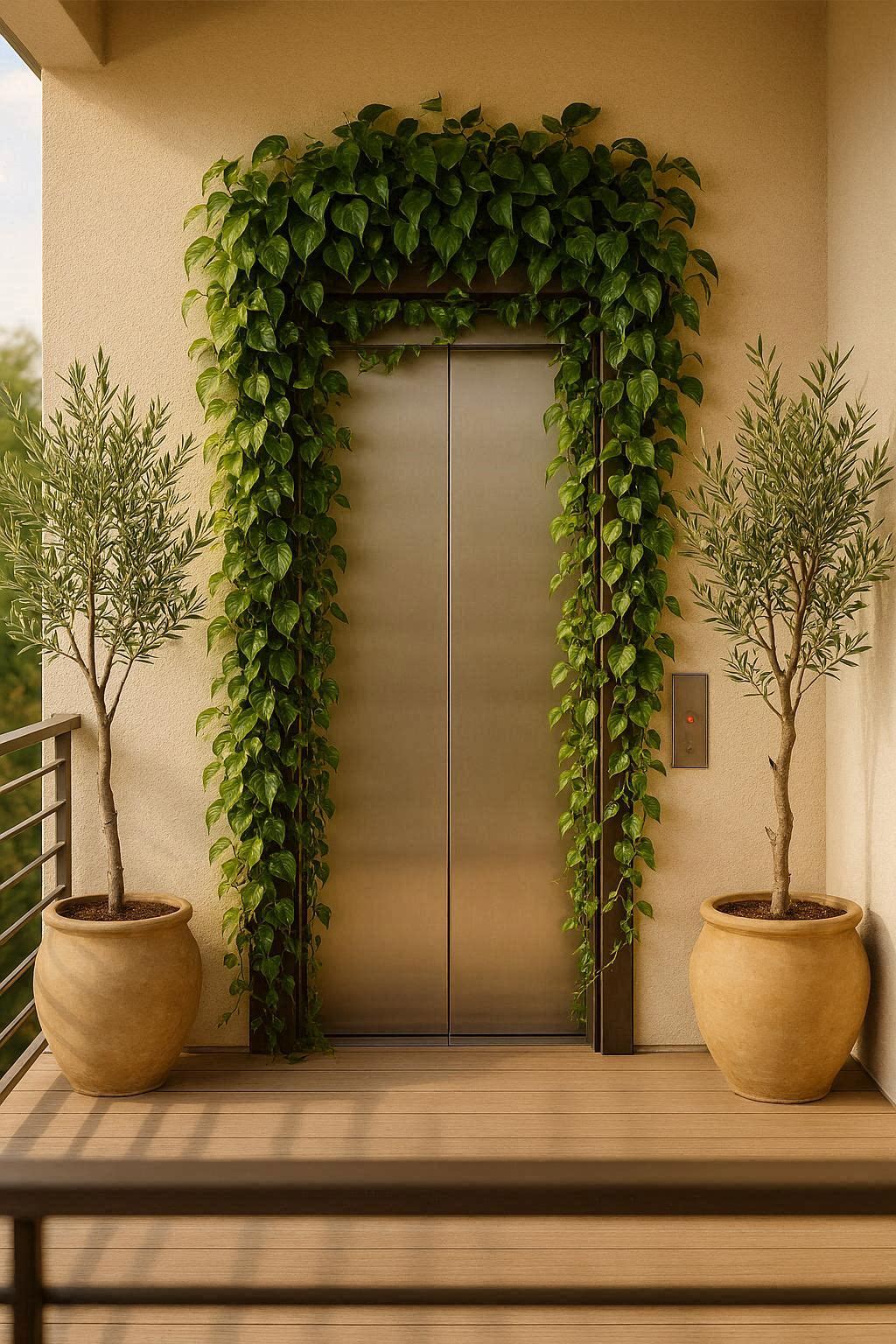
- Trailing pothos or ivy along the frame exterior
- Tall potted olive or fiddle leaf trees flanking the entry
- Vertical planter boxes mounted on the side panel
- Low flowering pots lining the platform’s base track
9. Small Balcony Solutions: Compact and Foldable Designs
If your balcony is on the smaller side, you still have options that don’t eat up your usable floor space.
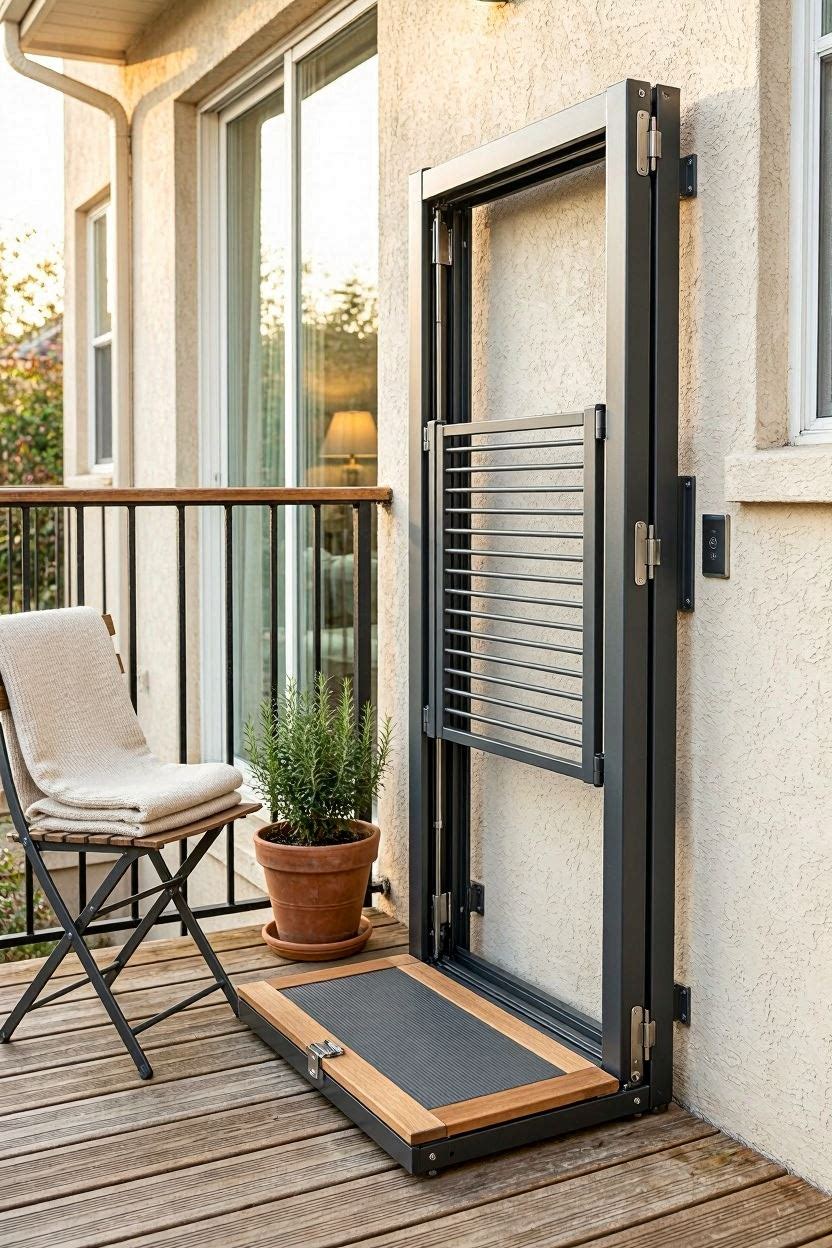
- Foldable platform lifts — the platform tucks flat against the wall when not in use
- Slimline pulley systems — ideal for moving small loads without a full-size cab
- Wall-mounted compact lifts — designed for balconies under 25 square feet
10. Cost Breakdown: Budget vs Premium Designs
| Tier | Price Range (USD) | What’s Included |
|---|---|---|
| Budget | $1,500–$6,000 | Pulley dumbwaiter or basic manual lift, standard finish |
| Mid-range | $8,000–$20,000 | Motorized platform lift, choice of frame finish, safety sensors |
| Premium | $25,000–$60,000 | Enclosed elevator or pneumatic lift, custom finishes, smart controls |
Brands like Savaria, Symmetry Elevating Devices, and Nationwide Lifts are commonly used for residential vertical platform lifts in the USA, while decor add-ons like railings, planters, and lighting are easy to source from Wayfair, Home Depot, or Lowe’s.
11. DIY vs Hiring a Professional Installer
Some parts of this project are genuinely DIY-friendly, and some really aren’t.
What you can reasonably DIY:
- Painting or finishing visible wood and metal trim
- Adding planters, lighting, and decor around the lift
- Styling the railing with rope, fabric, or rattan accents
What needs a licensed professional:
- Structural mounting and load-bearing rail installation
- Electrical wiring and motor setup
- Permit applications and code compliance checks
Treat the lift mechanism itself as a professional job, and save your DIY energy for the styling layer on top — that’s where you’ll get the most visual return anyway.
Frequently Asked Questions
Do I need a permit to install a balcony elevator? In most US cities, yes — anything with a motor or load-bearing rail typically requires a permit and inspection. Check with your local building department before ordering.
How much weight can a balcony lift typically hold? Standard residential vertical platform lifts handle 350–750 lbs, while enclosed elevators can often go higher. Always confirm the rated capacity with the manufacturer.
Can I add a lift to a small balcony? Yes — foldable platform lifts and slimline pulley systems are built specifically for tight spaces under 25 square feet.
How often does a balcony elevator need maintenance? Most manufacturers recommend a professional inspection once a year, with monthly visual checks of cables, sensors, and the platform surface in between.
Does a balcony elevator affect home resale value? A well-designed, code-compliant lift can be a selling point for accessibility-conscious buyers, especially in multi-floor homes, though it’s a smaller factor than kitchen or bathroom updates.
Final Thoughts
A balcony elevator doesn’t have to feel like industrial equipment bolted onto your home. With the right type, materials, color scheme, and styling around it, it can read as a genuine design feature — one that also happens to solve a real mobility or convenience problem. Start with the function (size, safety, and structural needs), then layer in the style: finish, color, lighting, and plants. That order will save you money and give you a result you’ll actually want to look at every day.