35 Pergola Trellis Ideas That Add Shade, Style and Value to Your Backyard
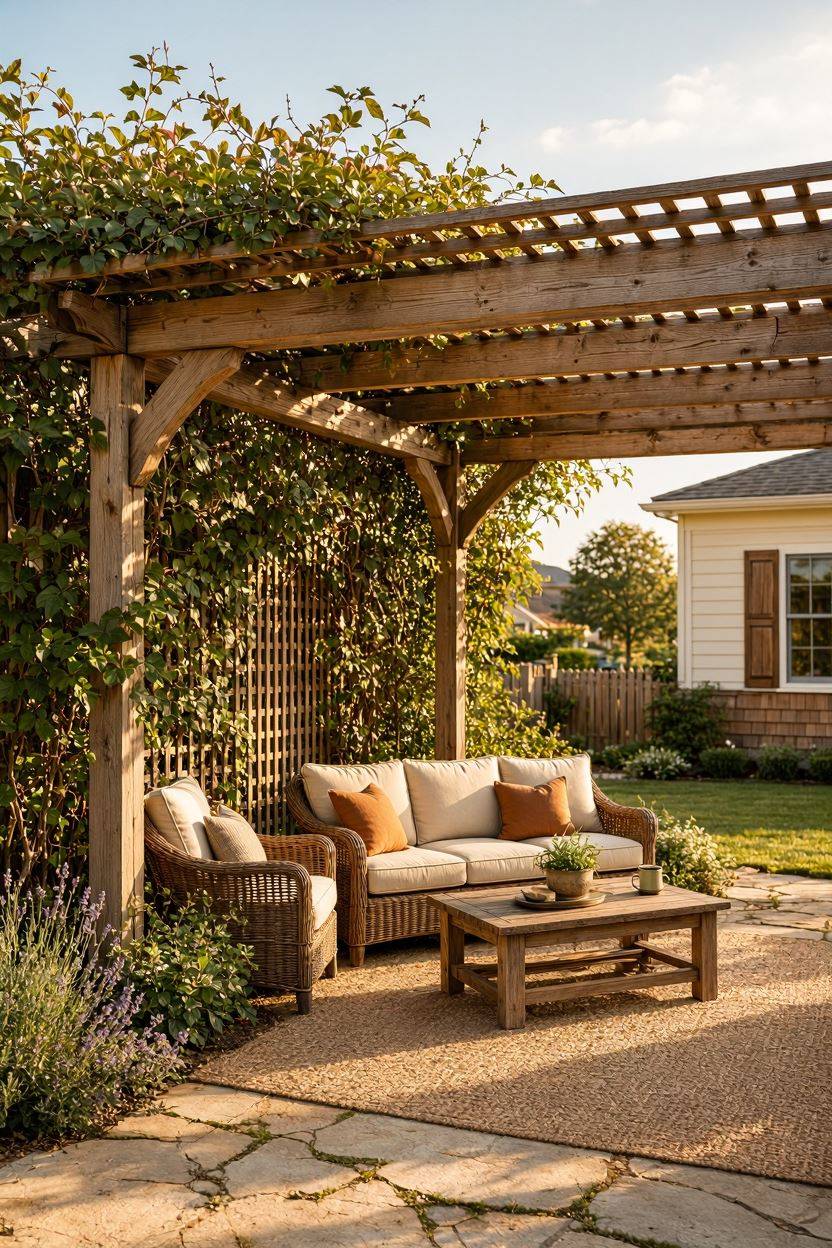
A pergola trellis turns a plain patio into a private, shaded room outdoors. It gives your climbing plants something to hold onto, blocks harsh sun, and adds real curb appeal to your home.
If you are planning a new pergola or want to upgrade an old one, this guide walks you through the best trellis styles, materials, and costs so you can pick the right fit for your space and budget.
1. What Is a Pergola Trellis?
A pergola trellis is the grid, lattice, or panel structure attached to the sides or roof of a pergola. While the pergola itself is the frame (posts and beams), the trellis is what fills the gaps — usually to support climbing plants like wisteria, jasmine, or clematis, or simply to add privacy and shade.
Think of the pergola as the skeleton and the trellis as the skin that gives it character.
2. Popular Pergola Trellis Styles
2.1 Classic Lattice Panel Trellis
This is the most common style. Thin wood or vinyl strips cross over each other to form a diamond or square pattern. It works well for climbing roses, ivy, and grapevines, and it still lets light and air pass through.
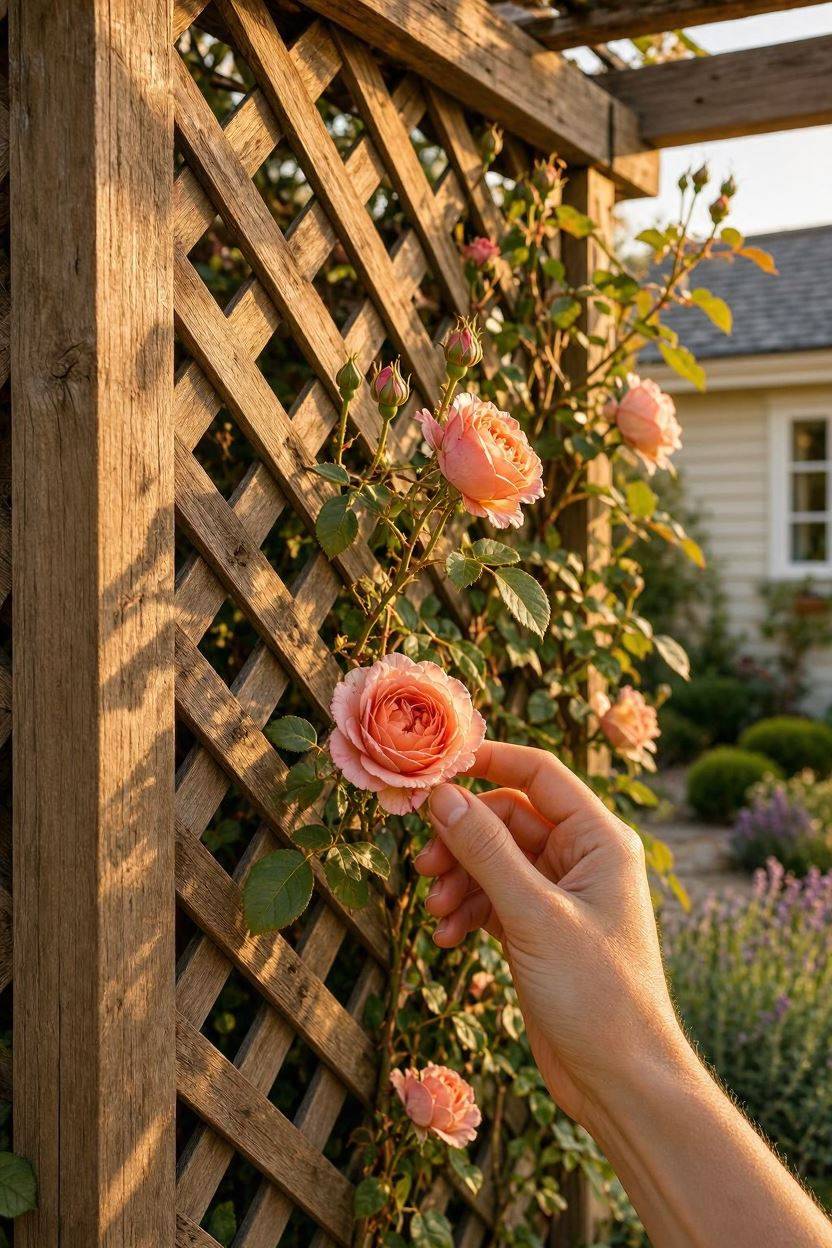
Best for: Cottage-style and farmhouse backyards Good plants: Climbing roses, clematis, morning glory
2.2 Louvered Roof Trellis
Instead of open beams, louvered trellis roofs use angled slats that you can tilt open or closed. Many modern kits (like Equinox or StruXure louvered roofs) let you control sunlight and rain with a remote.
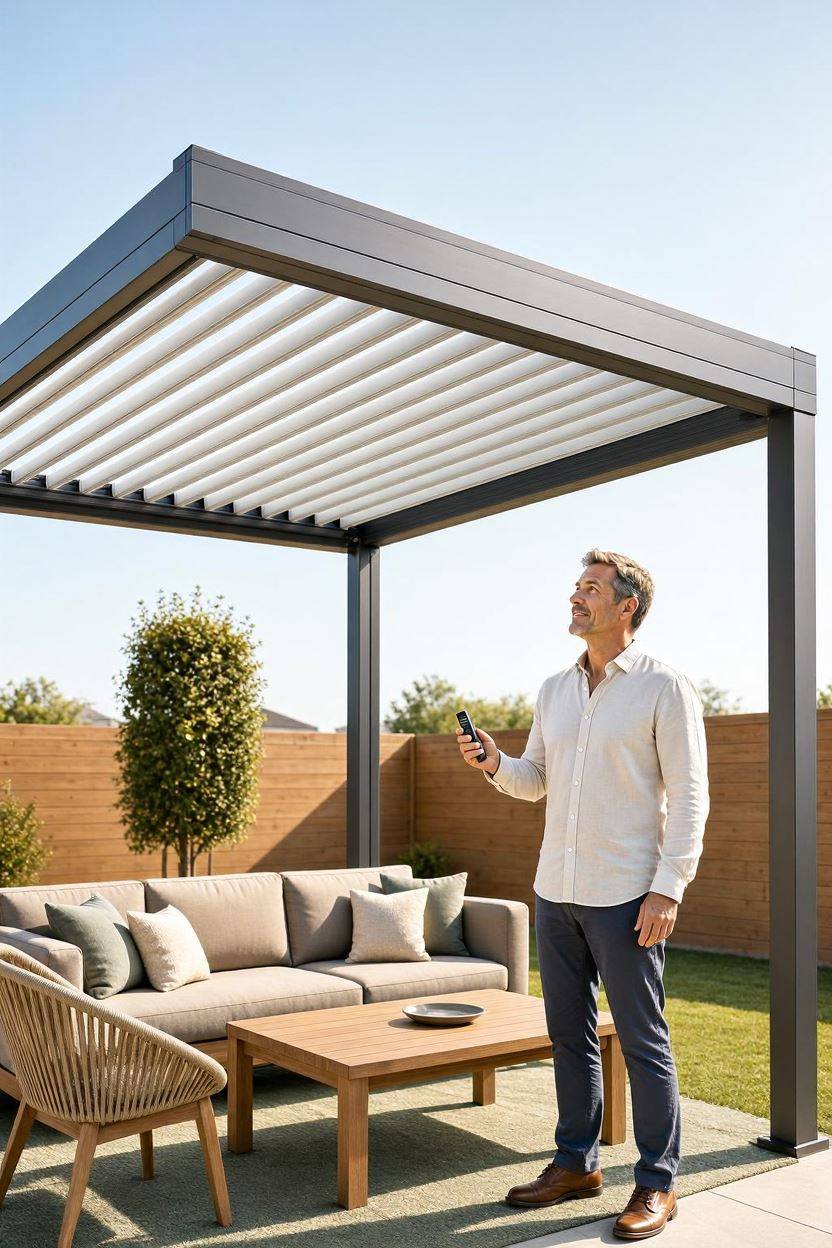
Best for: Modern and minimalist homes Good for: Homeowners who want shade control without planting vines
2.3 Cable Wire Trellis
Thin stainless steel cables run vertically or in a diamond grid between posts. It’s a nearly invisible support system that lets the plants become the visual feature, not the structure.
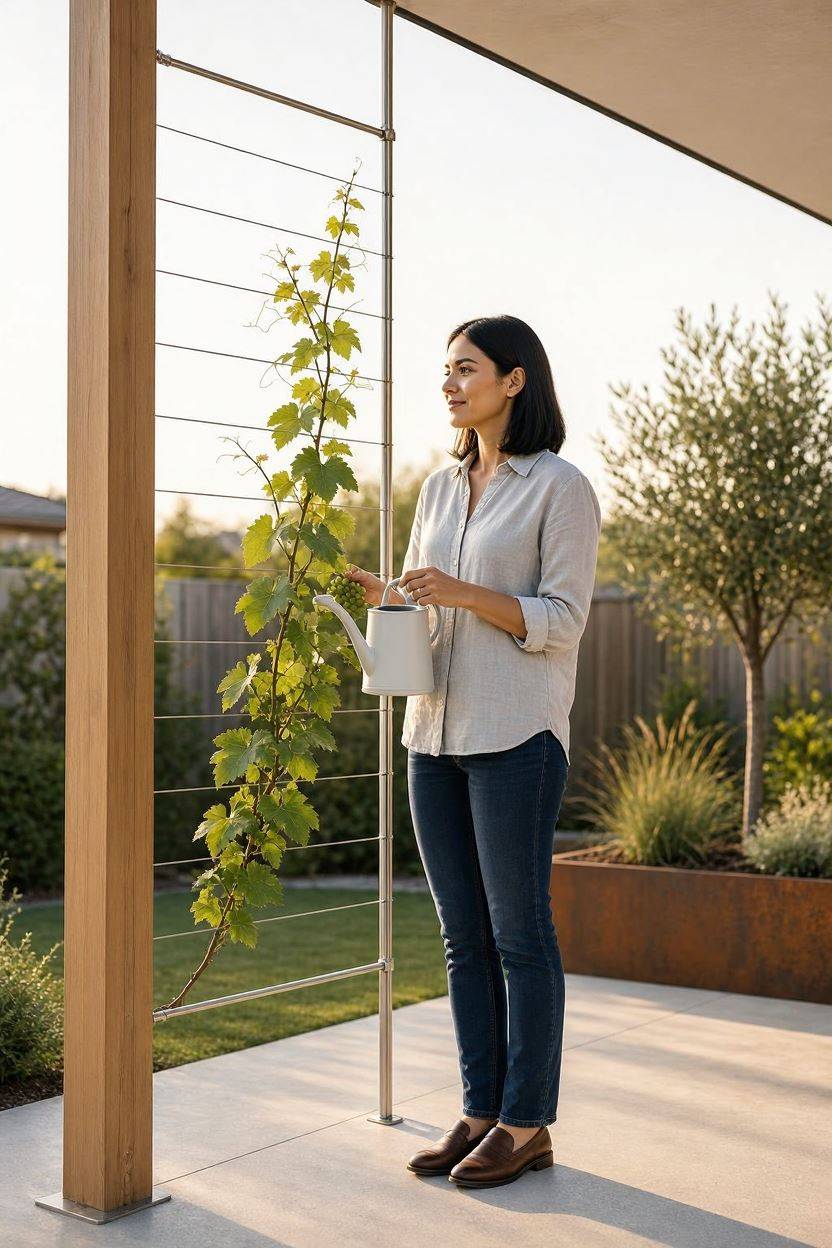
Best for: Contemporary and minimalist gardens Good plants: Grapevines, kiwi vines, climbing hydrangea
2.4 Retractable Canopy Trellis
A retractable fabric canopy slides across the top beams of the pergola on a track. It gives instant shade on hot days and can be pulled back to let plants and sunlight through when you want it.
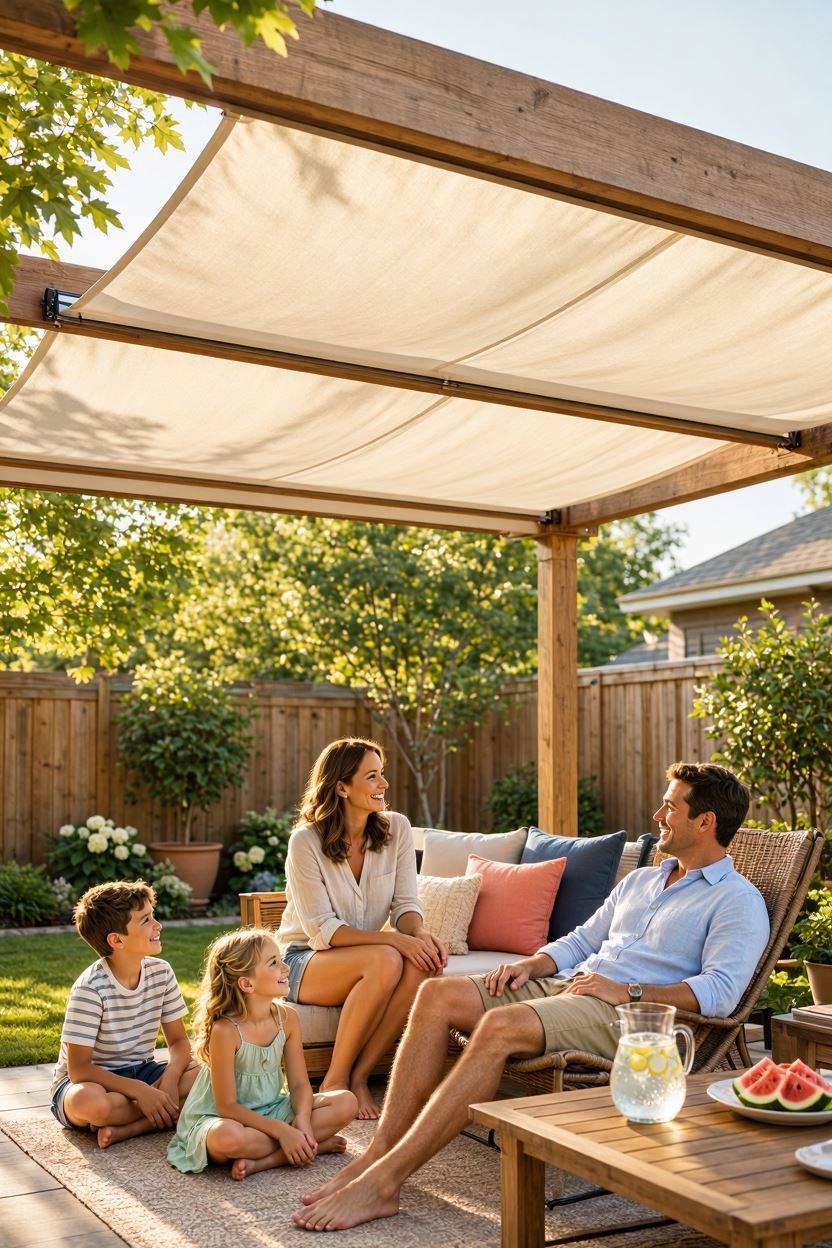
Best for: Backyards used for entertaining Good for: Areas with strong afternoon sun
2.5 Vine-Covered Living Trellis
Here, the plants themselves become the trellis over time, trained along a simple wood or metal frame. It takes patience, but the payoff is a lush, green, living roof that changes with the seasons.

Best for: Cottage gardens and nature-lovers Good plants: Wisteria, trumpet vine, Virginia creeper
2.6 Privacy Panel Trellis
Solid or semi-solid wood, composite, or metal panels fill in the sides of the pergola to block a neighbor’s view or a busy street. Some panels include cut-out patterns for a decorative touch while still offering privacy.
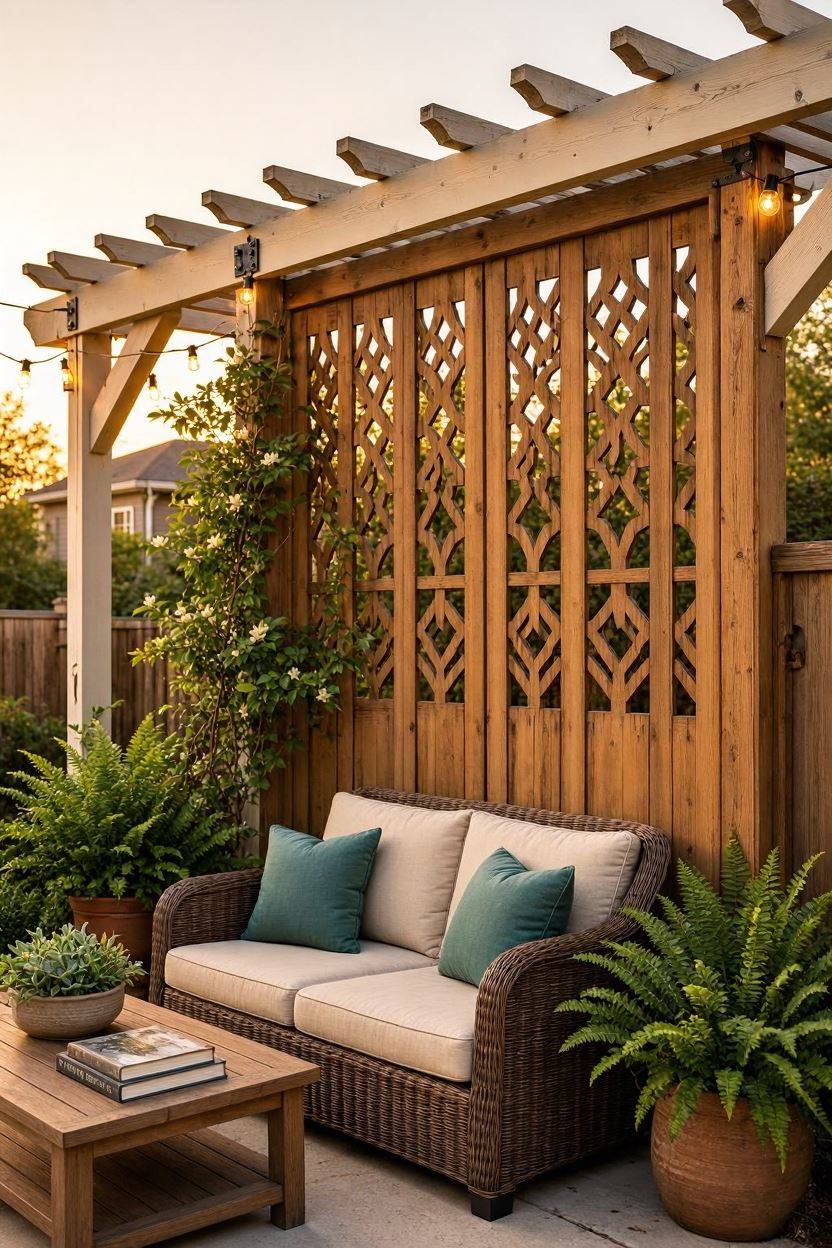
Best for: Small or overlooked backyards Good for: Homes close to neighbors or sidewalks
3. Trellis Materials Compared
| Material | Durability | Maintenance | Average Cost (per linear ft) | Best For |
|---|---|---|---|---|
| Pressure-treated wood | 10–15 years | Medium (restain every 2–3 yrs) | $8–$15 | Classic, budget-friendly look |
| Cedar or redwood | 15–20 years | Low | $12–$25 | Natural warmth, rot resistance |
| Vinyl/PVC | 20+ years | Very low | $10–$20 | Easy care, humid climates |
| Aluminum/metal | 25+ years | Very low | $15–$30 | Modern, sleek finish |
| Stainless steel cable | 20+ years | Very low | $10–$18 | Minimalist, near-invisible support |
4. Estimated Cost by Pergola Trellis Project
| Project Size | Style | Estimated Total Cost (USA) |
|---|---|---|
| Small (8x8 ft) | Basic wood lattice | $600–$1,200 |
| Medium (10x12 ft) | Cedar lattice with side panels | $1,800–$3,500 |
| Large (14x16 ft) | Louvered roof trellis kit | $6,000–$12,000 |
| Any size | Cable wire trellis add-on | $300–$800 |
| Any size | Retractable canopy add-on | $1,200–$3,000 |
Prices vary by region, labor rates, and whether you buy a kit or build custom. Getting 2–3 local quotes is the best way to know your real number.
5. How to Choose the Right Trellis for Your Pergola
5.1 Match It to Your Climate
If you live somewhere humid or rainy, vinyl or metal resists warping better than untreated wood. In drier climates, cedar and pressure-treated wood age beautifully.
5.2 Think About How Much Shade You Actually Need
A louvered or canopy trellis gives you full control. A lattice or cable trellis gives partial, dappled shade that shifts through the day — lovely for morning coffee spots.
5.3 Consider What You Want to Grow
If your goal is a flowering vine feature, choose an open lattice or cable system that gives plants room to climb. If privacy matters more than plants, go with solid panels.
5.4 Don’t Forget Your Home’s Architecture
A craftsman or farmhouse home usually looks best with classic wood lattice. A modern glass-and-concrete home pairs better with metal or cable trellis lines.
6. Should You DIY or Hire a Pro?
A basic lattice panel is a reasonable weekend DIY project if you already have the pergola frame built and some comfort with a drill and level. Kits from home improvement stores like Home Depot or Lowe’s often include pre-cut lattice sheets that just need to be framed and attached.
Louvered roofs, retractable canopies, and anything involving motors or heavy steel cable tensioning are best left to a professional installer. These systems need precise measurements and weatherproofing to avoid sagging or leaks down the line, and most manufacturers only honor their warranty with professional installation.
If you’re unsure, it’s worth calling a local pergola or outdoor living contractor for a quick quote — many offer free estimates, and it helps you compare the real cost of DIY versus install before you buy materials.
7. Frequently Asked Questions
Do I need a permit to add a trellis to my pergola? In most US cities, a trellis attached to an existing pergola does not need a separate permit, but taller privacy panels or anything altering the structure’s height may require one. Check with your local building department first.
How far apart should lattice slats be for climbing plants? Most lattice comes with 1.5 to 3-inch gaps, which works for the majority of climbing vines. Faster growers like wisteria do better with wider 3 to 4-inch spacing.
Can I add a trellis to a metal or aluminum pergola? Yes. Most metal pergola brands sell matching trellis panel accessories, or you can attach wood or cable trellis with the right mounting brackets.
How do I stop wood trellis from rotting? Use pressure-treated or naturally rot-resistant wood like cedar, keep it a few inches off the ground, and reseal or restain it every 2 to 3 years.
Final Thoughts
A pergola trellis is a small addition that makes a big difference. Whether you want a wall of climbing roses, total control over shade with a louvered roof, or simple privacy from your neighbors, there’s a trellis style to match your backyard and your budget.
Start with your climate and how much shade you truly need, then build your material and cost choice around that. Get it right, and your pergola trellis will be the backdrop for backyard dinners and morning coffees for years to come.