10 Best Shade Plants That Grow in Low Sunlight (Easy Care Guide)
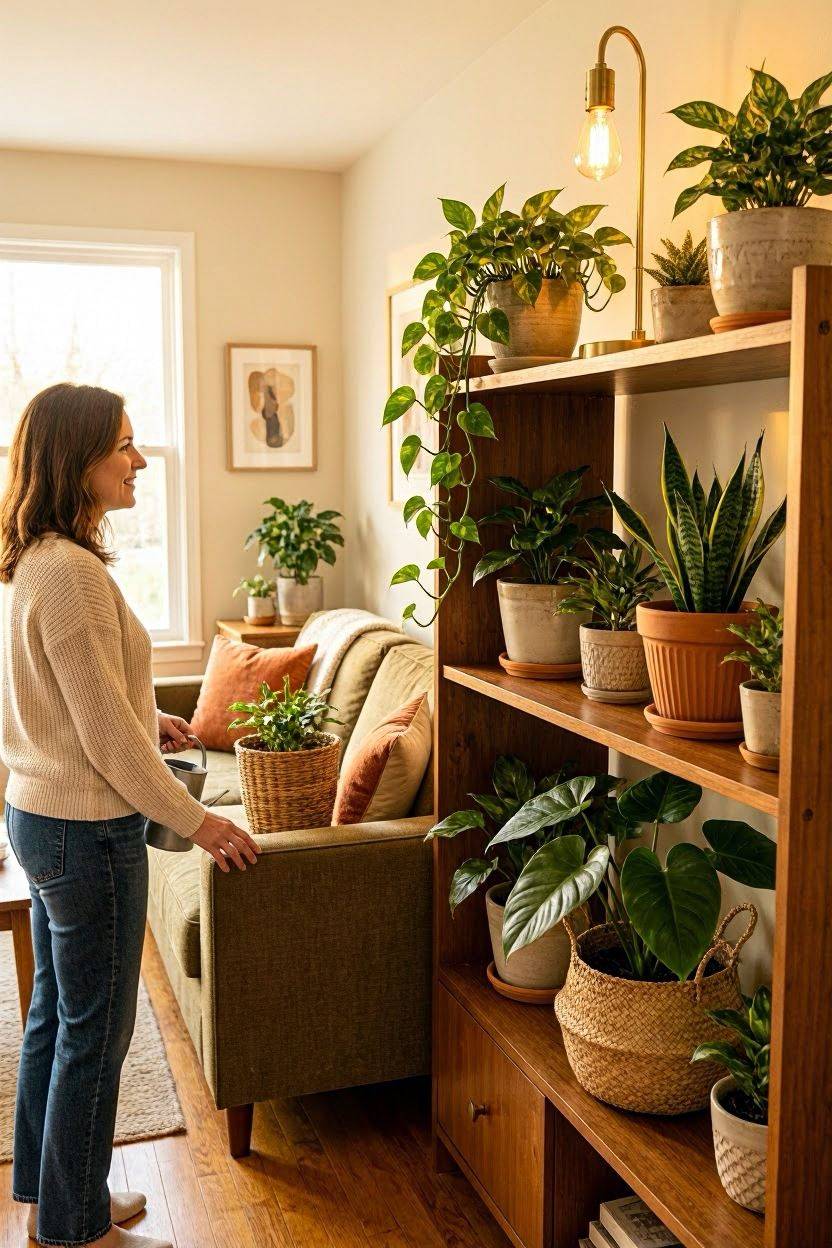
Not every room in your home gets bright sunlight, and that is okay. Some of the prettiest, healthiest plants actually prefer low light. If you have a dim hallway, a north-facing bedroom, or a desk far from the window, this list is for you.
Below are 10 shade plants that grow well in low sun light, along with how to care for them, what they cost, and where to buy them in the USA.
Quick Reference Table
| Plant Name | Light Level | Watering | Pet Safe | Average Cost |
|---|---|---|---|---|
| Golden Pothos | Very Low to Medium | Every 7-10 days | No | $12 - $25 |
| Snake Plant | Very Low | Every 2-3 weeks | No | $15 - $35 |
| ZZ Plant | Low to Medium | Every 2-3 weeks | No | $20 - $40 |
| Peace Lily | Low to Medium | Weekly | No | $18 - $30 |
| Chinese Evergreen | Low | Every 7-10 days | No | $20 - $45 |
| Cast Iron Plant | Very Low | Every 2 weeks | Yes | $18 - $35 |
| Boston Fern | Low to Medium | 2-3 times a week | Yes | $15 - $28 |
| Heartleaf Philodendron | Low to Medium | Weekly | No | $10 - $22 |
| Calathea | Low to Medium | Weekly | Yes | $15 - $30 |
| English Ivy | Low to Medium | Weekly | No | $8 - $20 |
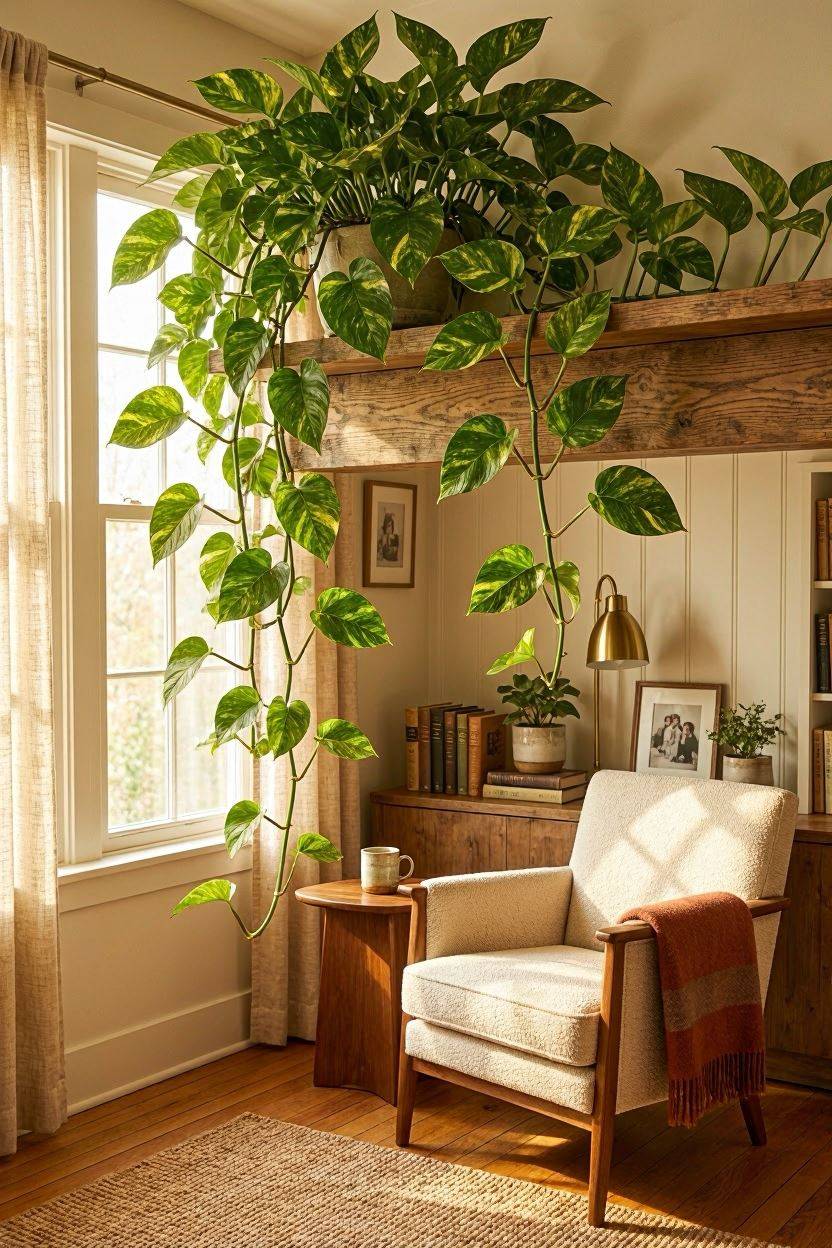
1. Golden Pothos
Pothos is one of the easiest shade plants to grow, and it forgives you if you forget to water it once in a while.
Light and Care
It handles very low light well, though it grows faster in medium light. Let the soil dry out between waterings.
Cost and Where to Buy
A small pothos costs around $12 to $25 at Home Depot, Lowe’s, or The Sill. Trader Joe’s also carries them seasonally for less.
2. Snake Plant
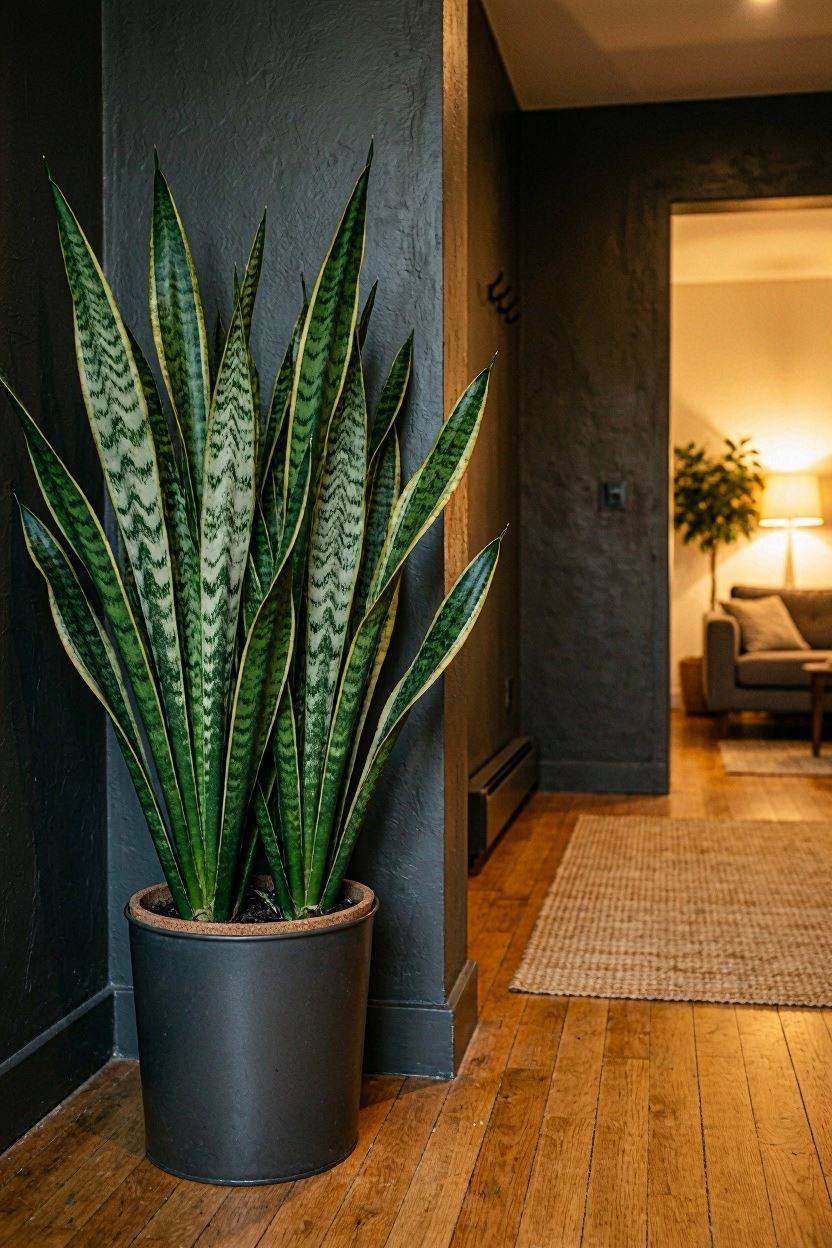
Snake plant, also called Sansevieria, is nearly impossible to kill and looks sharp in a modern home.
Light and Care
It survives in dim corners with almost no natural light. Water it every 2 to 3 weeks, less in winter.
Cost and Where to Buy
Prices range from $15 to $35 depending on size, available at IKEA, Lowe’s, and Costa Farms online.
3. ZZ Plant
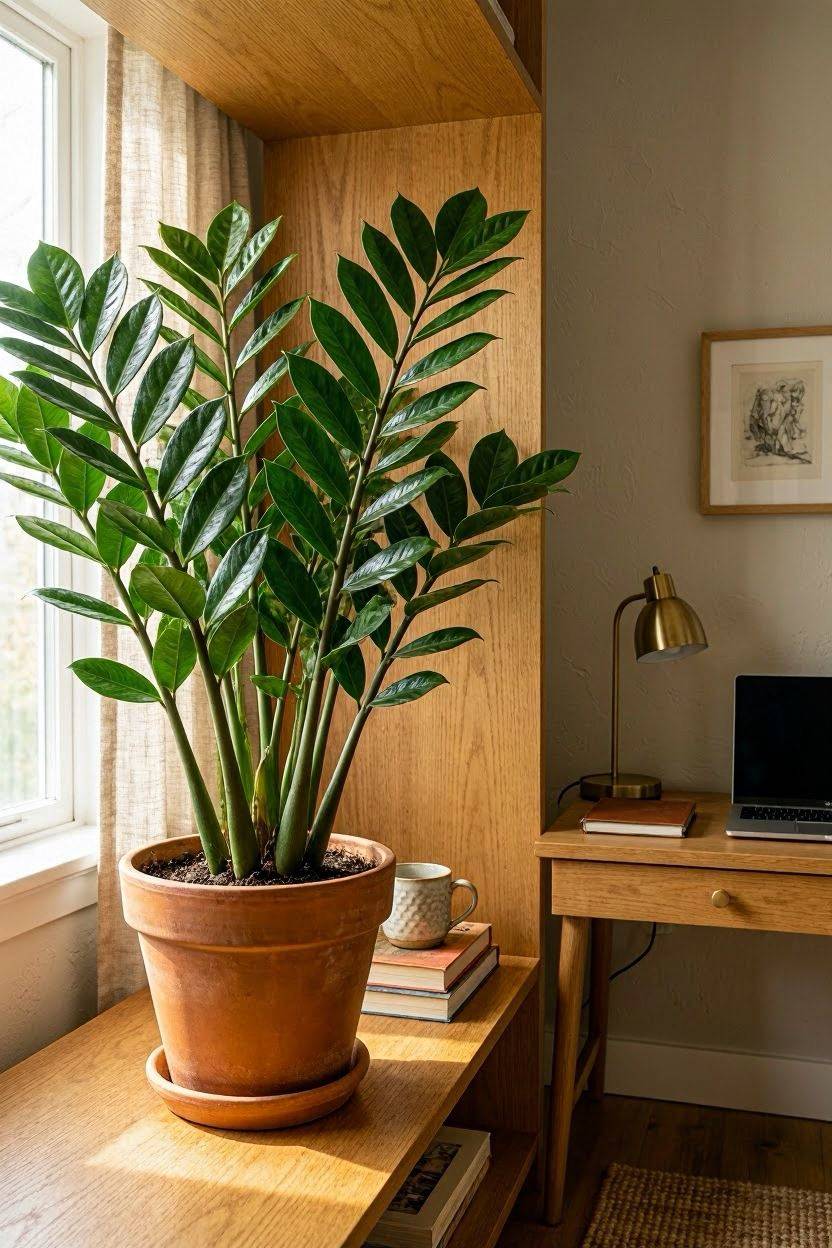
The ZZ plant has glossy, waxy leaves that make any shelf look put together, even without much light.
Light and Care
It thrives in low to medium light and stores water in its roots, so occasional neglect is fine.
Cost and Where to Buy
Expect to pay $20 to $40 at Home Depot or through The Sill’s online store.
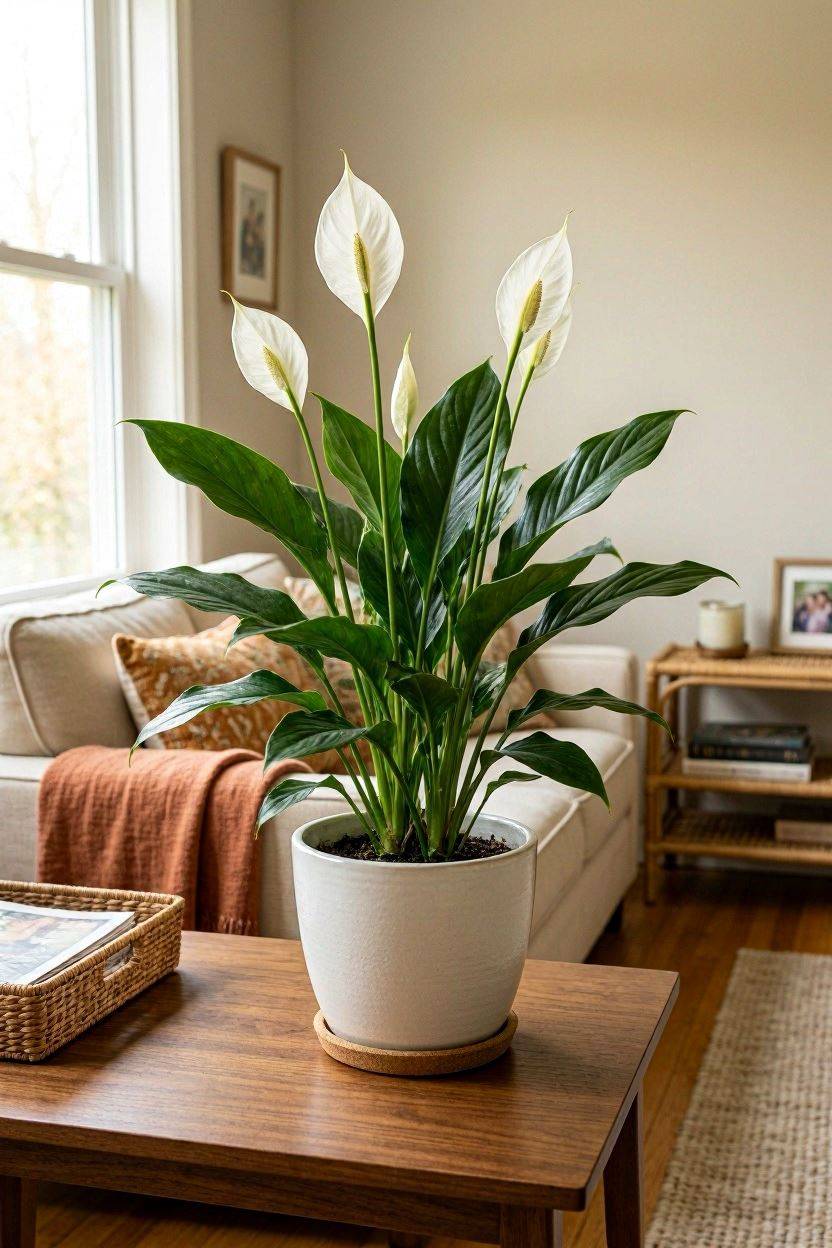
4. Peace Lily
Peace lily brings soft white blooms into shady rooms and also helps clean indoor air.
Light and Care
It prefers low to medium indirect light and tells you when it is thirsty by drooping slightly.
Cost and Where to Buy
A healthy peace lily runs $18 to $30 at Lowe’s, Walmart, or local nurseries.
5. Chinese Evergreen
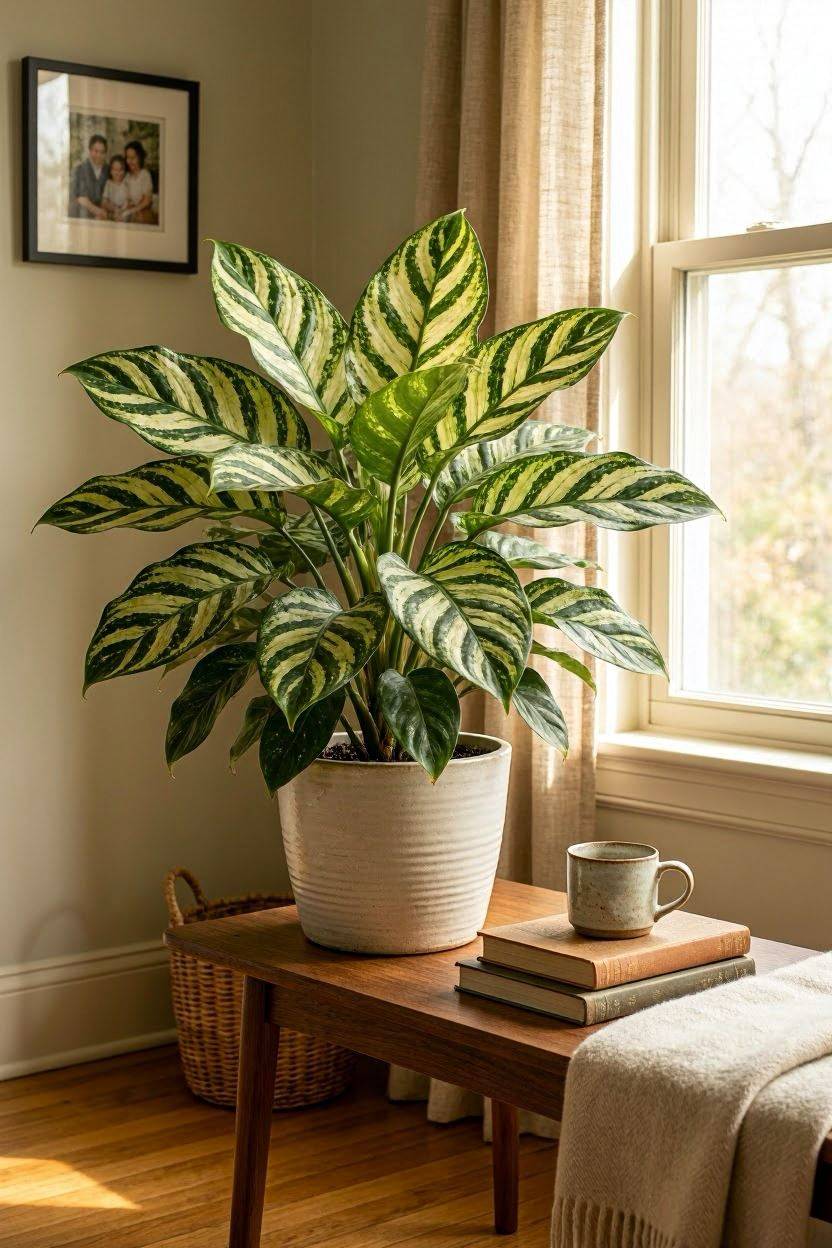
Chinese Evergreen, or Aglaonema, comes in patterned leaves that add color without needing sun.
Light and Care
It does well in low light and prefers to dry out slightly between waterings.
Cost and Where to Buy
Pricing is around $20 to $45 depending on the leaf pattern, found at Costa Farms or local garden centers.
6. Cast Iron Plant
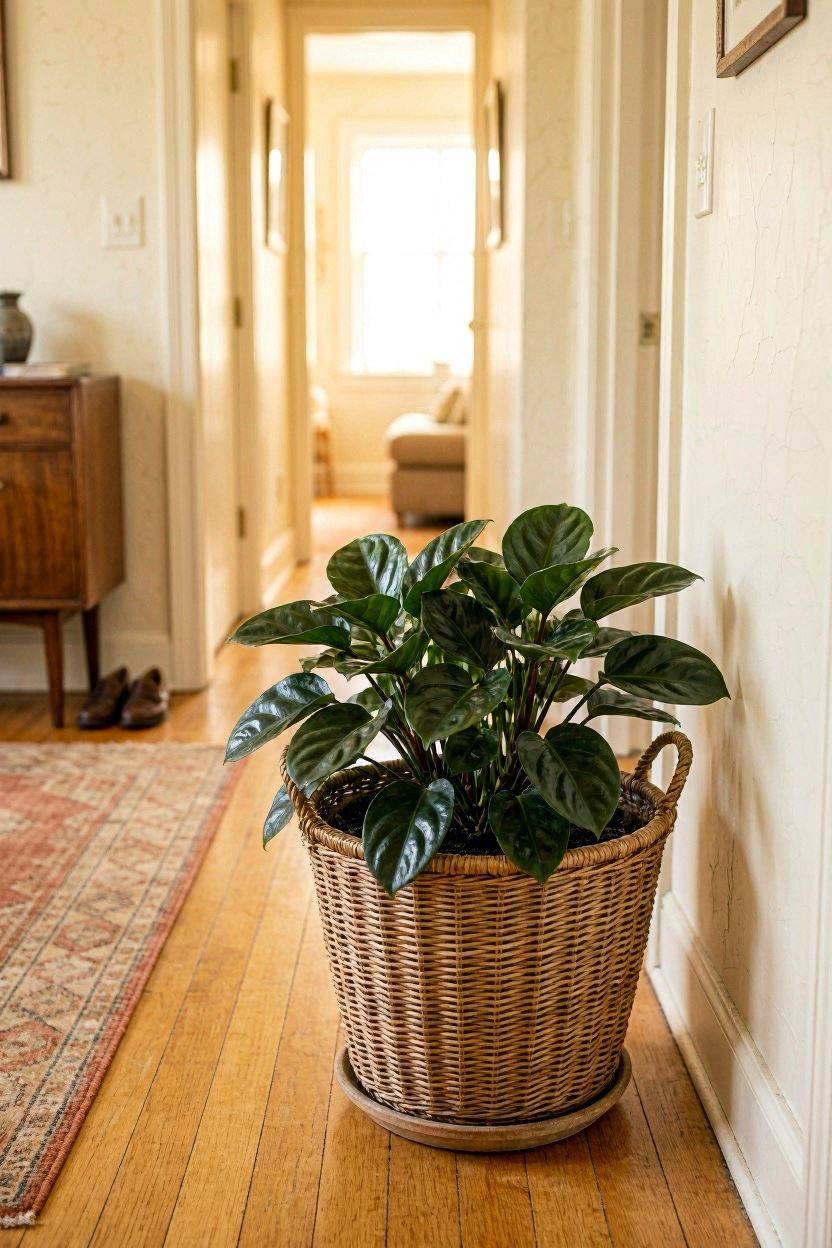
True to its name, this plant tolerates neglect, low light, and even a little cold.
Light and Care
It grows well in very low light and only needs water every two weeks or so.
Cost and Where to Buy
Costs range from $18 to $35, available at Home Depot and specialty plant shops.
7. Boston Fern
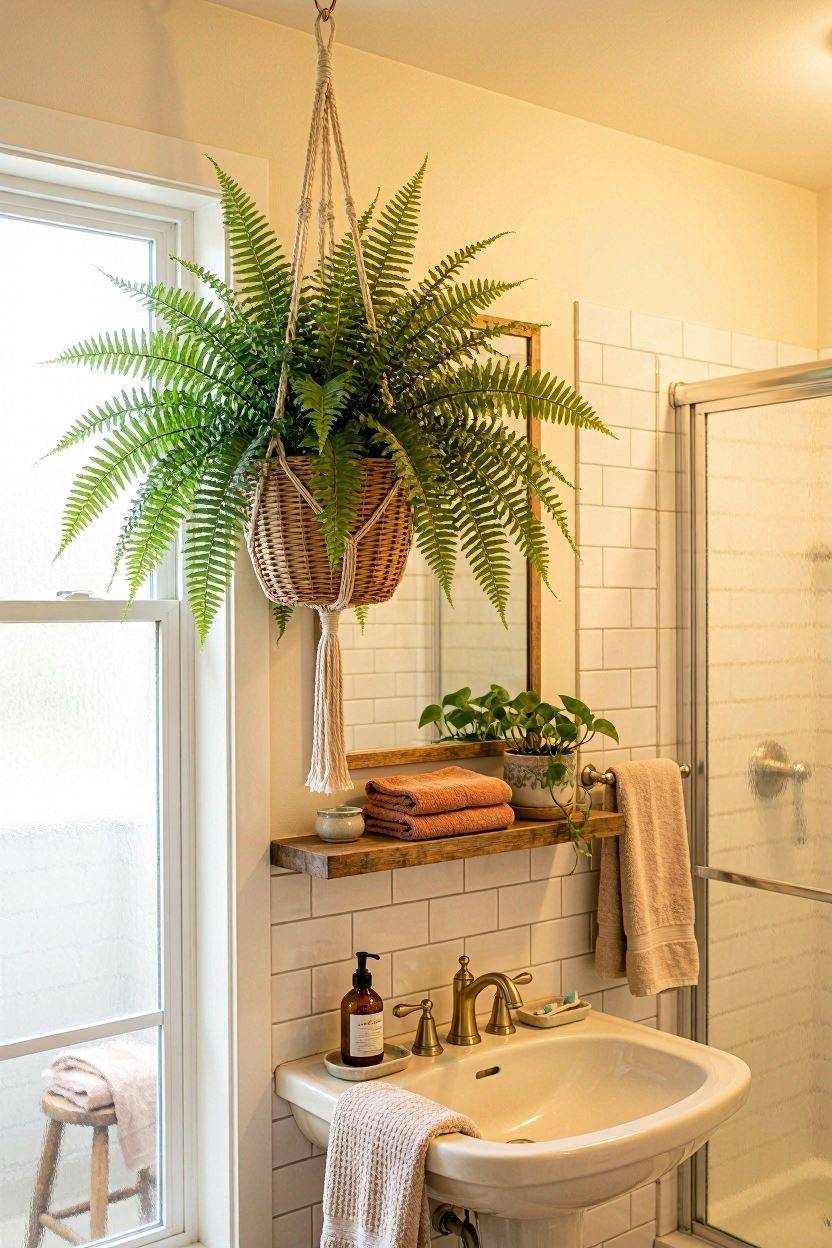
Boston fern adds a soft, lush look and does well in bathrooms with little natural light.
Light and Care
It prefers low to medium indirect light and consistent moisture, so water it 2 to 3 times a week.
Cost and Where to Buy
A hanging Boston fern costs $15 to $28 at Lowe’s or Home Depot.
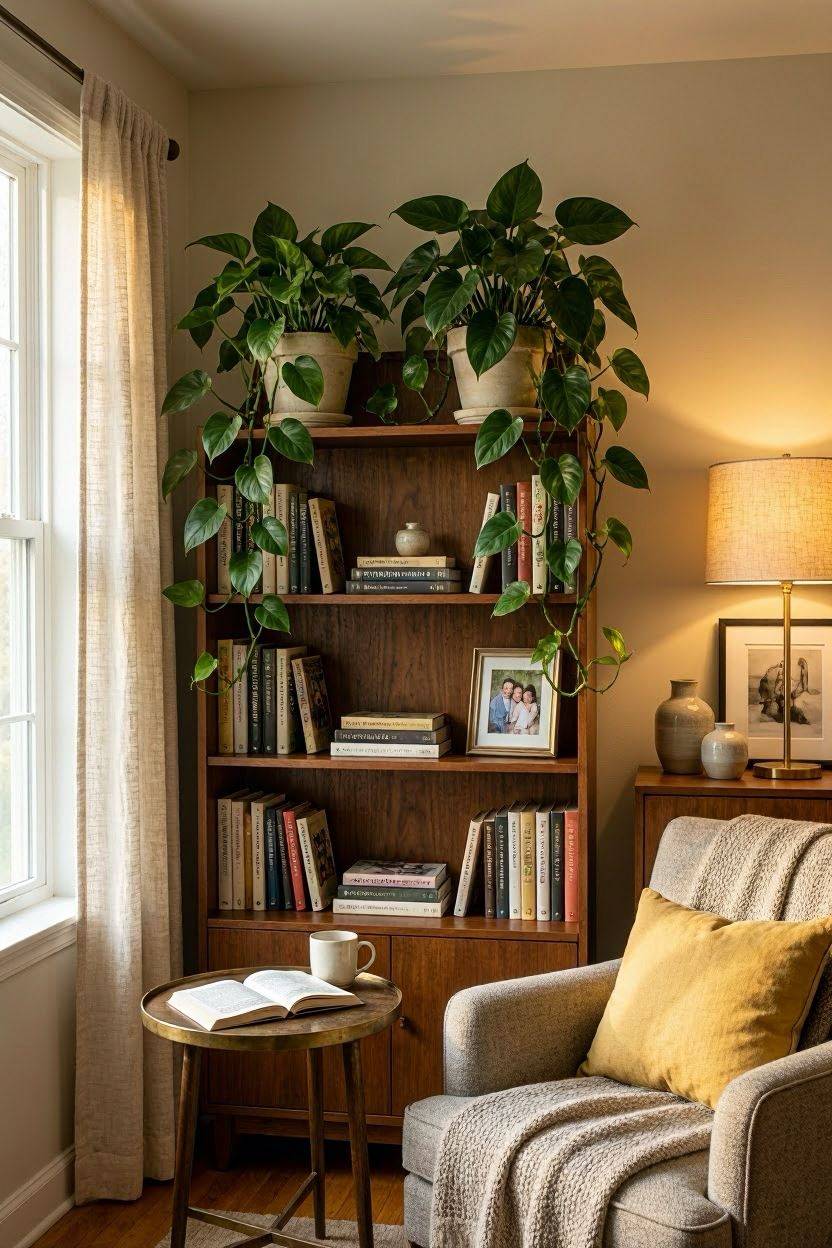
8. Heartleaf Philodendron
This trailing plant is a favorite for shelves and bookcases because it grows long, heart-shaped vines.
Light and Care
It handles low to medium light and prefers the top inch of soil to dry before watering again.
Cost and Where to Buy
Prices start around $10 and go up to $22, sold at Trader Joe’s, Home Depot, and The Sill.
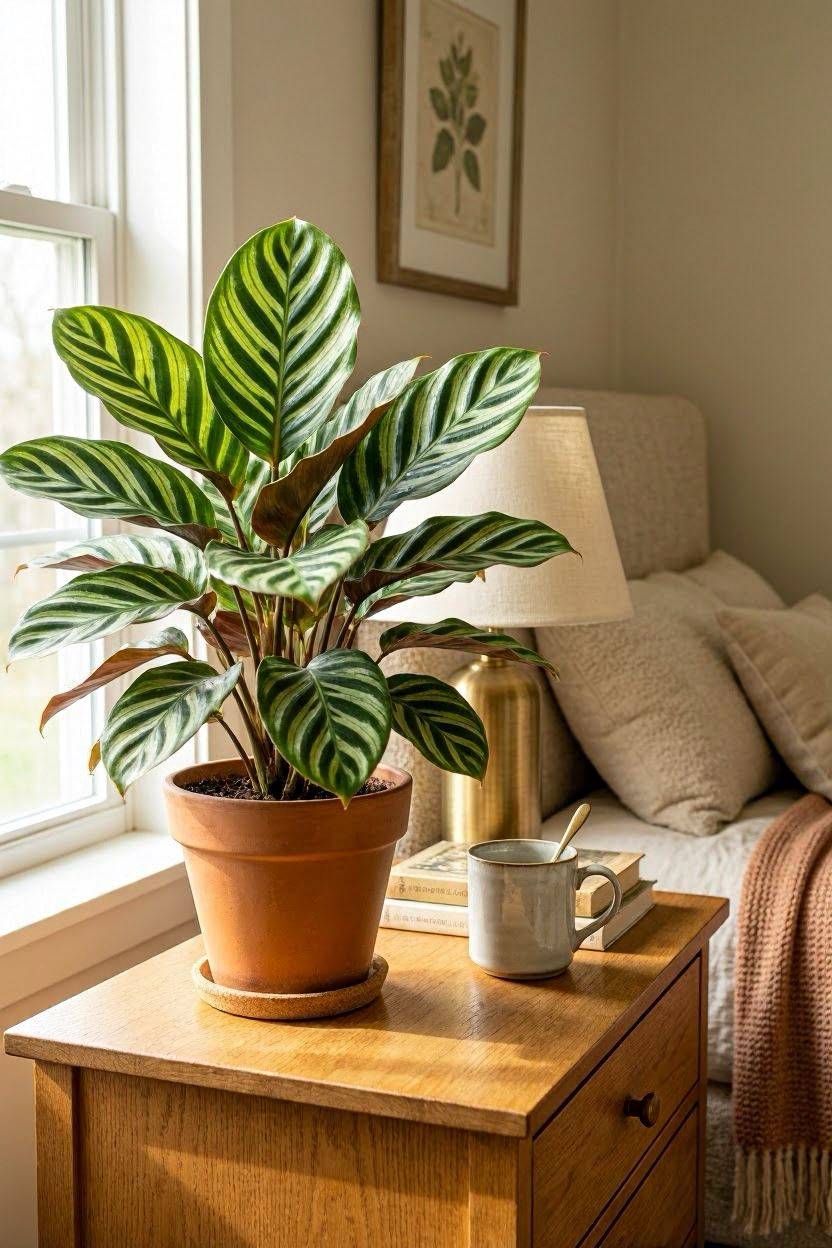
9. Calathea
Calathea leaves fold up at night and open during the day, making it a fun, living decor piece.
Light and Care
It prefers low to medium indirect light and likes consistently moist soil with filtered water if possible.
Cost and Where to Buy
A Calathea typically costs $15 to $30, found at Costa Farms online or local plant boutiques.
10. English Ivy
English Ivy is a classic trailing plant that softens shelves, bookcases, and hanging planters.
Light and Care
It grows well in low to medium light and prefers soil that stays lightly moist, not soggy.
Cost and Where to Buy
Expect to pay $8 to $20 at Lowe’s, Walmart, or local garden centers.
A Quick Note on DIY Display Ideas
You do not need fancy planters to make these shade plants look good. A few simple ideas: group two or three pots of different heights on a shelf, use a woven basket to hide a plain plastic nursery pot, or hang a trailing plant like pothos or ivy in a macrame holder near a bookshelf. These small touches make low light corners feel intentional instead of empty.
Frequently Asked Questions
Can shade plants survive in a windowless room? Most shade plants still need some indirect light. For a truly windowless room, you will need a grow light for at least a few hours a day.
How often should I water low light plants? Low light plants use less water because they grow slower. Check the soil first and only water when the top inch feels dry.
Are shade plants safe for pets? Not all of them. Cast iron plant, Boston fern, and Calathea are pet-safe, but pothos, snake plant, peace lily, and philodendron are toxic if chewed by cats or dogs.
Do shade plants need fertilizer? Yes, but less often than sun-loving plants. Feeding once every 6 to 8 weeks during spring and summer is enough.
Final Thoughts
Low light does not mean a bare room. With plants like pothos, snake plant, and peace lily, you can bring life and color into the darkest corners of your home. Start with one or two easy varieties, learn their watering rhythm, and build your shade garden from there.