50 Gorgeous Bedroom Ideas for Girls That Are Easy to Copy in 2026
Designing a bedroom that actually feels personal is harder than it looks. You want it to feel warm, grown-up enough to last a few years, and still full of little details that make it special. The good news is that you don’t need a big budget or a full renovation to get there.
Below is a step-by-step guide to help you plan a bedroom that looks polished, feels cozy, and works for everyday life — from picking colors to setting up a reading corner. Grab a notebook, because you’ll want to jot down a few of these ideas as you go.
1. Choose a Color Palette That Feels Like Her
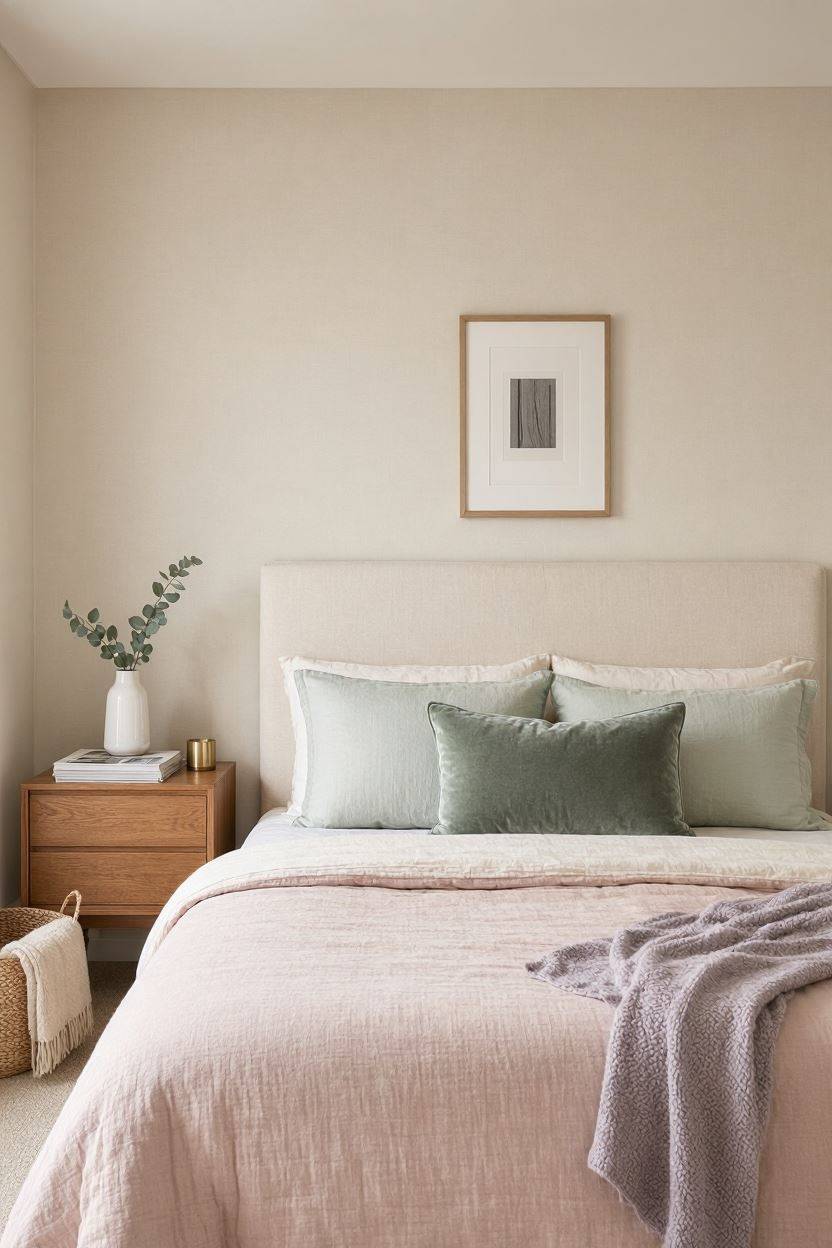
Color sets the mood before anything else does. The trick is picking a palette that feels calm on busy days and cheerful on slow ones. Instead of one bold color everywhere, use a base neutral (like white or soft beige) and add two accent colors through pillows, art, and small furniture pieces.
Popular Color Combinations for 2026
| Palette Name | Base Color | Accent Colors | Best For |
|---|---|---|---|
| Soft Blush | Warm white | Blush pink + terracotta | Small rooms, more light |
| Sage Calm | Light sage green | Cream + walnut brown | Reading nooks, relaxed vibe |
| Lavender Dream | Soft grey | Lavender + dusty rose | Teen rooms, cozy feel |
| Sunny Neutral | Ivory | Mustard yellow + white | North-facing rooms |
A simple rule: 60% base color, 30% secondary color, 10% accent color. This keeps the room from feeling busy while still adding personality.
2. Pick a Theme That Grows With Her
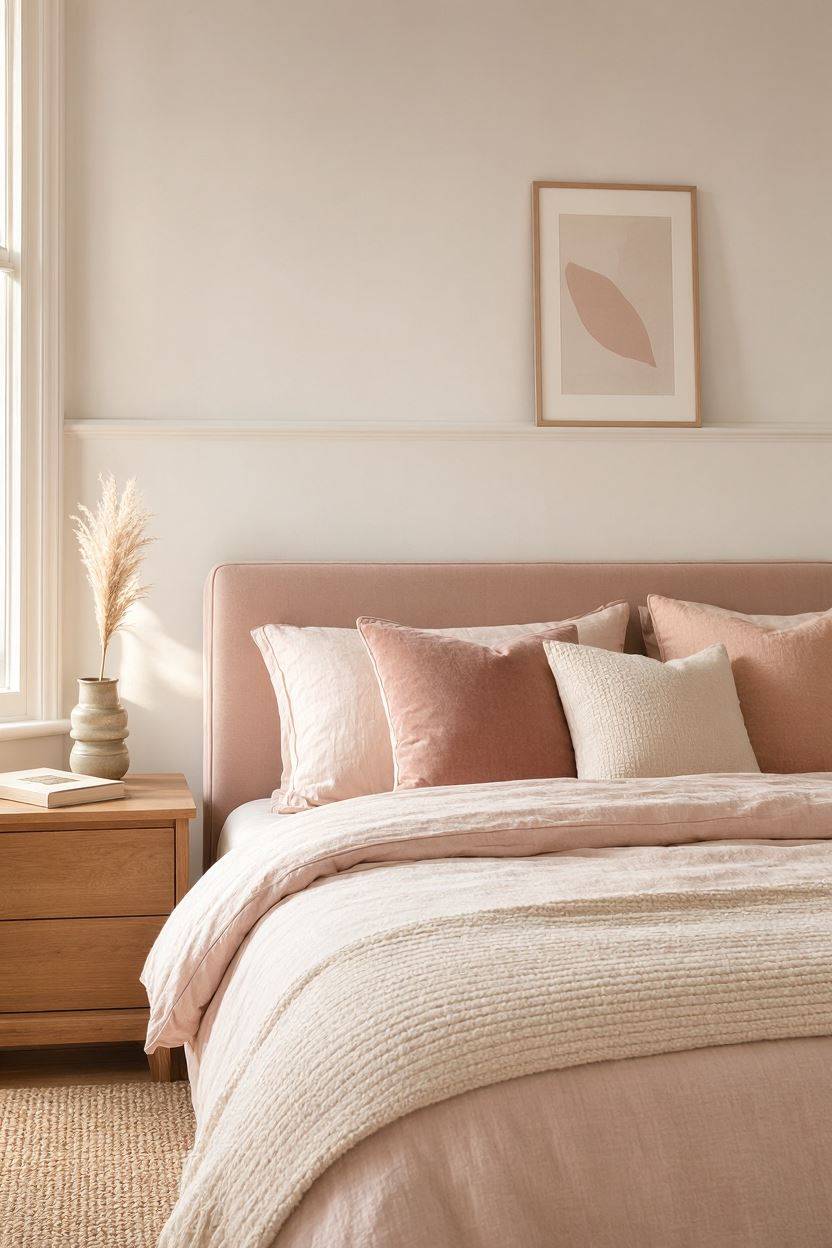
A full theme (like princess or unicorn) can feel outdated fast. A smarter approach is picking a “mood” instead of a strict theme — think botanical, coastal, boho, or modern minimalist. These moods use shapes, textures, and colors instead of characters, so the room stays stylish for years.
2.1 Theme Ideas That Age Well
- Botanical Mood — leafy prints, rattan furniture, green accents
- Boho Charm — macrame wall hangings, warm rugs, wooden beads
- Coastal Calm — soft blues, linen textures, light wood tones
- Modern Minimal — clean lines, one bold color, simple art
3. Plan the Bed and Furniture Layout
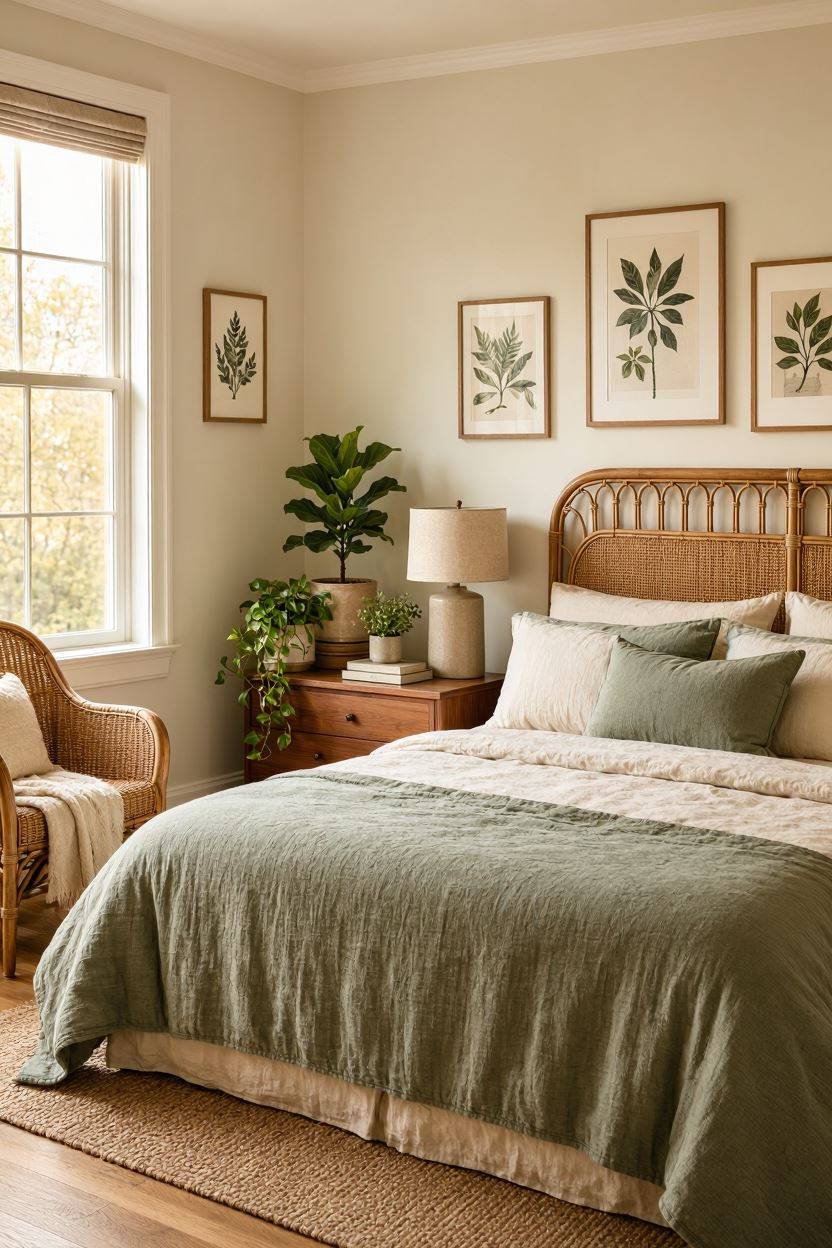
Furniture placement can make a small room feel twice as big — or half as big — depending on how it’s arranged. Start with the bed against the longest wall that isn’t blocked by a window or door. This usually frees up the most floor space for movement.
3.1 Quick Layout Checklist
- Place the bed first, since it’s the largest piece
- Leave at least 24 inches of walking space around the bed
- Keep the desk near a window for natural light
- Use a low dresser instead of a tall one in small rooms
- Float furniture away from walls only in larger rooms (10x12 ft or more)
4. Add Smart Storage Solutions
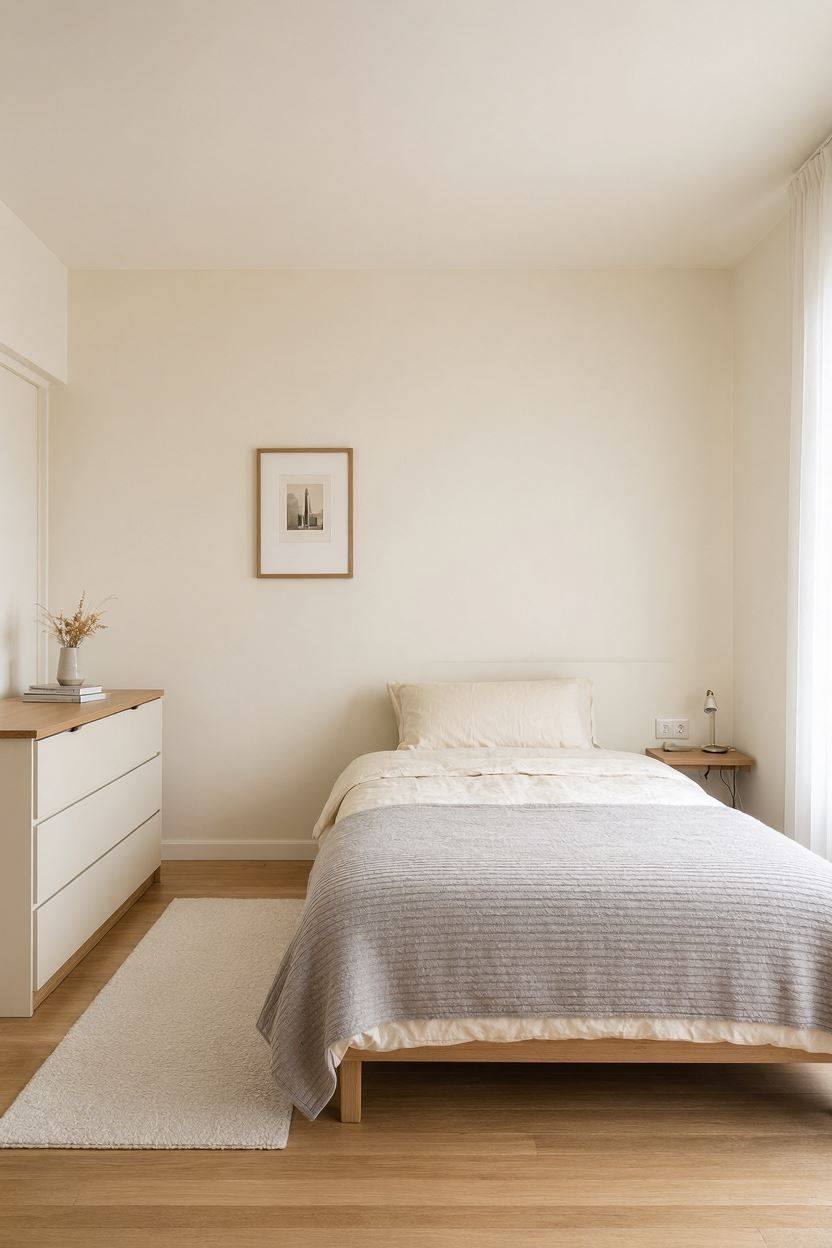
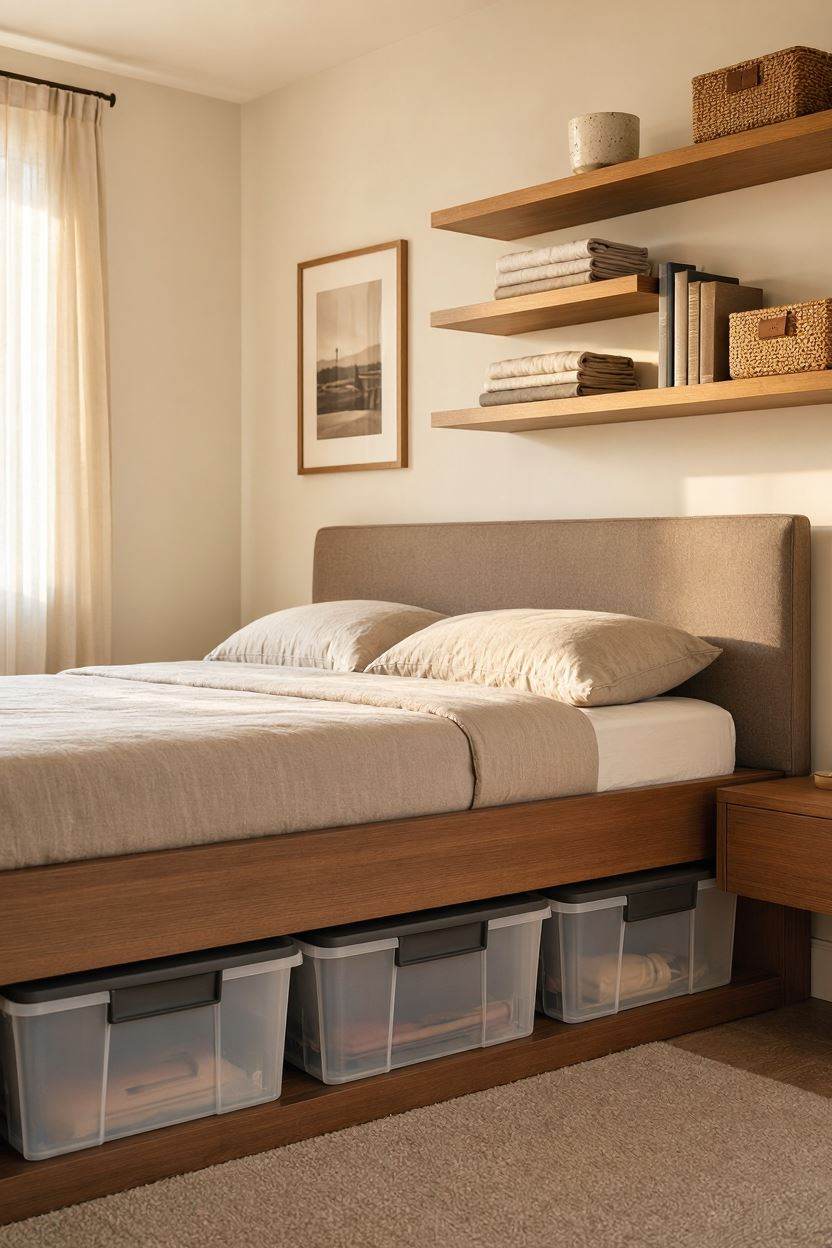
Clutter is the fastest way to make a beautiful room look messy. The goal is to give every item a “home” so cleanup takes minutes, not hours.
4.1 Storage Ideas by Budget
| Storage Idea | Approx. Cost (USD) | Where to Buy | Best For |
|---|---|---|---|
| Under-bed storage bins | $15–$35 | Target, IKEA | Seasonal clothes, extra bedding |
| Floating wall shelves | $25–$60 | Amazon, Wayfair | Books, small decor |
| Closet organizer kit | $80–$200 | The Container Store | Shared or small closets |
| Storage ottoman | $40–$90 | Target, Walmart | Toys, blankets, extra seating |
A simple habit that helps long-term: one bin for “keep,” one for “donate.” Reviewing both every few months keeps the room from filling up again.
5. Style the Walls With Purpose
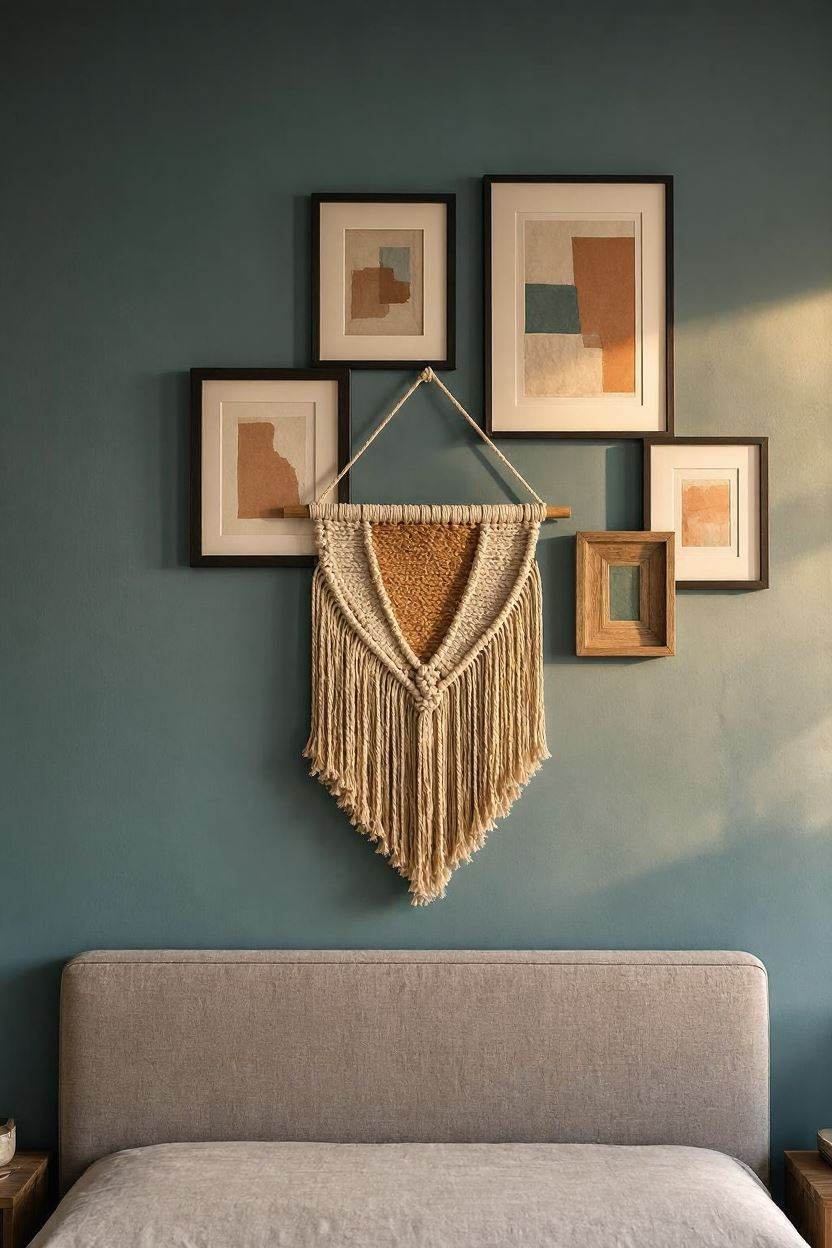
Walls are the biggest visual space in any bedroom, so they deserve more than one lonely poster. An accent wall — using paint, wallpaper, or a gallery of frames — instantly makes the room feel designed rather than decorated last minute.
5.1 Easy Accent Wall Ideas
- Peel-and-stick wallpaper behind the headboard only
- A cluster of 5–7 small frames in mixed sizes
- A large woven wall hanging as a single statement piece
- Removable wall decals for a temporary, renter-friendly option
6. Layer in Warm, Cozy Lighting
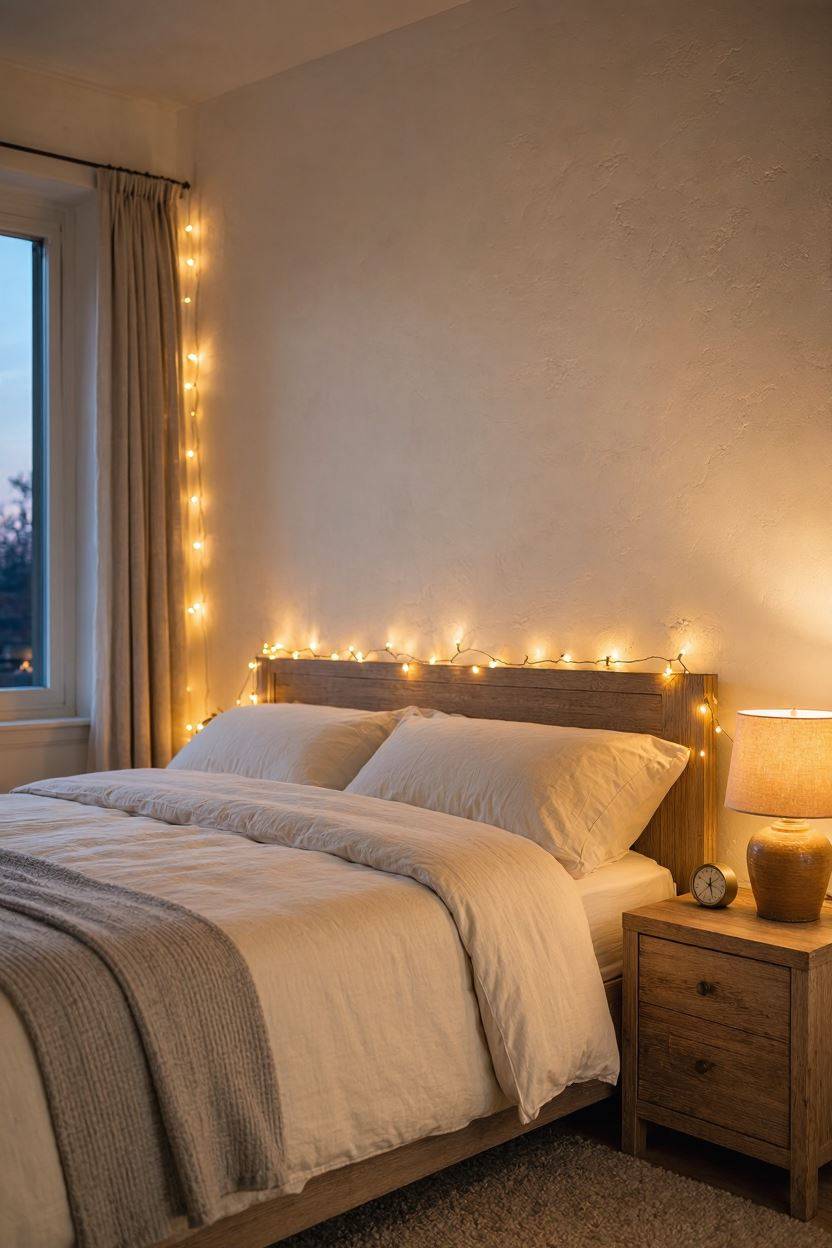
Overhead lighting alone makes any room feel flat and a little cold. Layering three light sources — overhead, task, and ambient — creates a much warmer feeling in the evening.
6.1 Lighting Comparison Table
| Light Type | Purpose | Example Product | Approx. Cost |
|---|---|---|---|
| Overhead fixture | General brightness | Flush mount ceiling light | $30–$70 |
| Task lamp | Reading, homework | Adjustable desk lamp | $20–$45 |
| String lights | Ambient, cozy glow | Warm white LED fairy lights | $10–$25 |
| Dimmer switch | Mood control | In-wall dimmer kit | $15–$30 |
Warm white bulbs (2700K–3000K) feel softer and cozier than bright white bulbs, which tend to feel more clinical.
7. Choose Rugs, Curtains, and Soft Textiles
Textiles are what make a room feel finished. A room with bare floors and thin curtains will always feel slightly unfinished, no matter how nice the furniture is.
7.1 Textile Tips
- Pick a rug at least 5x7 feet so it can sit under the bed’s front legs
- Use curtains that are floor length, not window-length, to make ceilings look taller
- Mix two textures minimum — like a knit throw with a woven rug
- Wash or rotate bedding seasonally to keep the room feeling fresh

8. Create a Cozy Study or Reading Corner
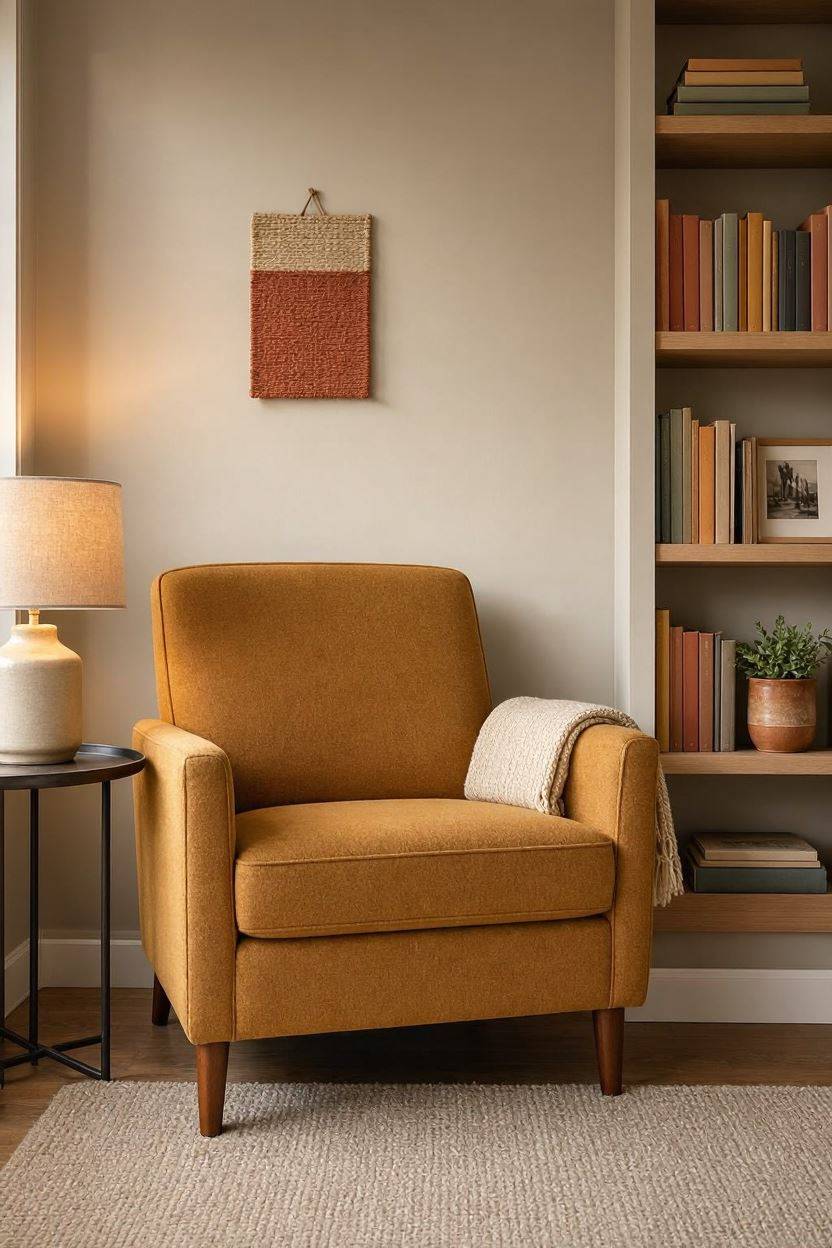
A dedicated corner for reading or homework helps keep the rest of the room calm and clutter-free. Even a small unused corner can fit a chair, a lamp, and a mini shelf.
8.1 What to Include
- A compact chair or floor cushion
- A small side table or shelf for books
- A task lamp for evening use
- A soft throw blanket within reach
This corner doesn’t need to be big — even a 3x3 foot space works well in most bedrooms.
9. Simple DIY Touches Worth Trying
You don’t need to be crafty to add a few handmade touches. These small projects are budget-friendly and make the room feel more personal without needing a professional.
- DIY photo string — clip printed photos to a string with mini clothespins
- Painted picture frames — repaint thrifted frames in one accent color
- No-sew curtain trim — add pom-pom trim with fabric glue for a custom look
- Repurposed jars — use clean glass jars as pen holders or small planters
These projects usually cost under $20 and take less than an hour, making them a good weekend activity.
10. Budget Breakdown for a Full Room Refresh
Before starting, it helps to know roughly what a full refresh might cost, depending on how much you’re changing.
| Refresh Level | What’s Included | Estimated Cost (USD) |
|---|---|---|
| Small refresh | New bedding, lighting, wall art | $100–$250 |
| Medium refresh | Above + rug, curtains, storage bins | $300–$600 |
| Full refresh | Above + new furniture pieces | $800–$1,500 |
Starting with a small refresh is a good way to test a new color palette before committing to bigger purchases like furniture.
Frequently Asked Questions
What is the best color for a girls bedroom in 2026? Soft, muted tones like sage green, blush pink, and warm neutrals are trending over bright, saturated colors, since they feel calmer and last longer stylistically.
How can I make a small bedroom look bigger? Use a low-profile bed, floor-length curtains, and light wall colors. Mirrors also help bounce light around and make the space feel more open.
What age is this style suitable for? Most of these ideas work well from around age 8 through the teen years, since the focus is on mood and function rather than a specific character theme.
Do I need to hire a designer for these ideas? No. Every idea in this guide can be done without professional help, using furniture and decor from stores like Target, IKEA, Amazon, and Walmart.
Final Thoughts
A bedroom doesn’t need to be expensive to feel special — it needs a plan. Start with color, add smart storage, layer in lighting, and finish with soft textiles. Even changing two or three of these elements can completely shift how the room feels.
Take it one section at a time, starting with whichever idea feels most exciting to you. Small, steady changes usually create a more lasting result than trying to redo everything at once.