17 Bedroom Luxury Wardrobe Design Ideas That Make Your Room Look Expensive
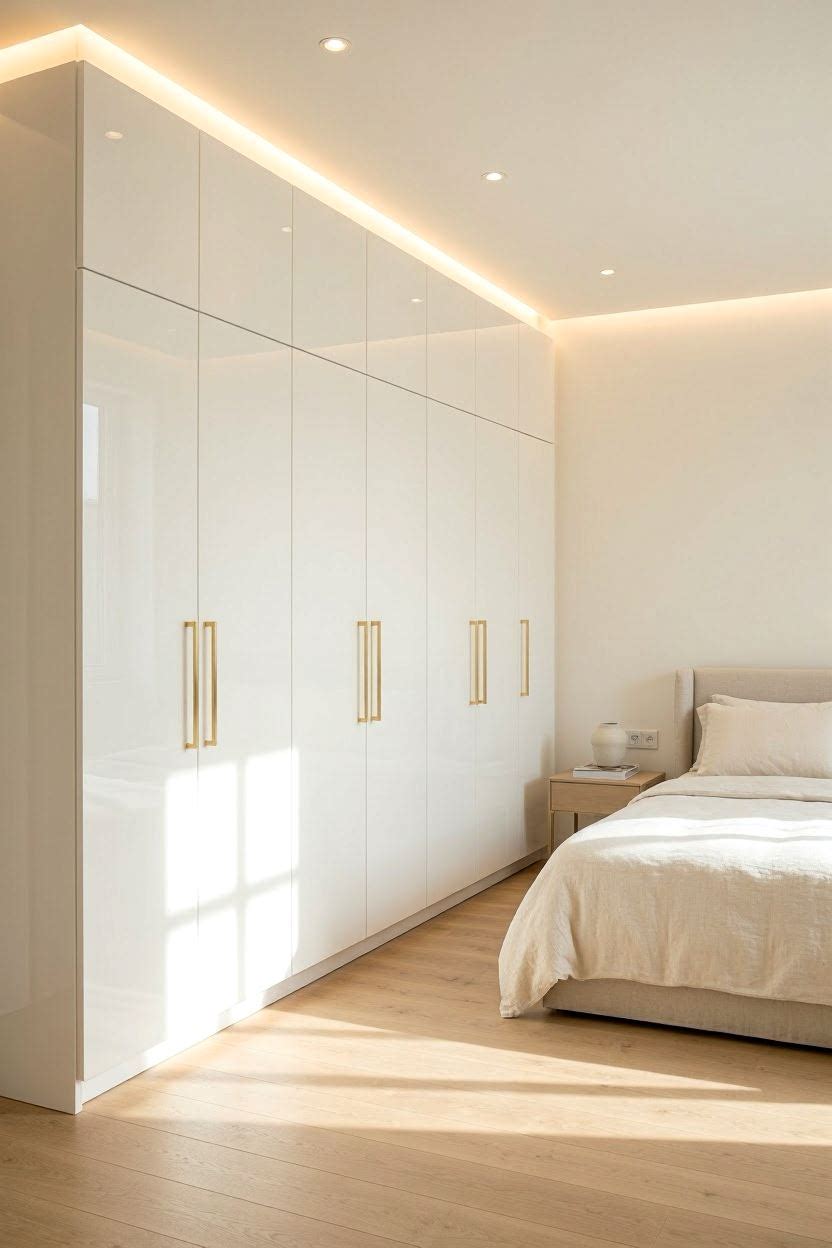
Why Your Wardrobe Is the Most Important Furniture in Your Bedroom
Most people spend thousands on a bed frame but forget the wardrobe — the piece that covers the most wall space in the room.
A well-designed wardrobe does three things at once: it organizes your clothes, defines your bedroom’s style, and makes the space feel intentional and expensive. Whether your bedroom is 10×10 or a spacious master suite, the right wardrobe can completely transform how the room feels.
In this guide, you’ll get 17 real, actionable wardrobe design ideas — each with specific material choices, hardware tips, cost estimates, and where to buy them in the USA. No vague Pinterest-speak. Just clear steps you can use.
1. Choose Your Wardrobe Door Style First
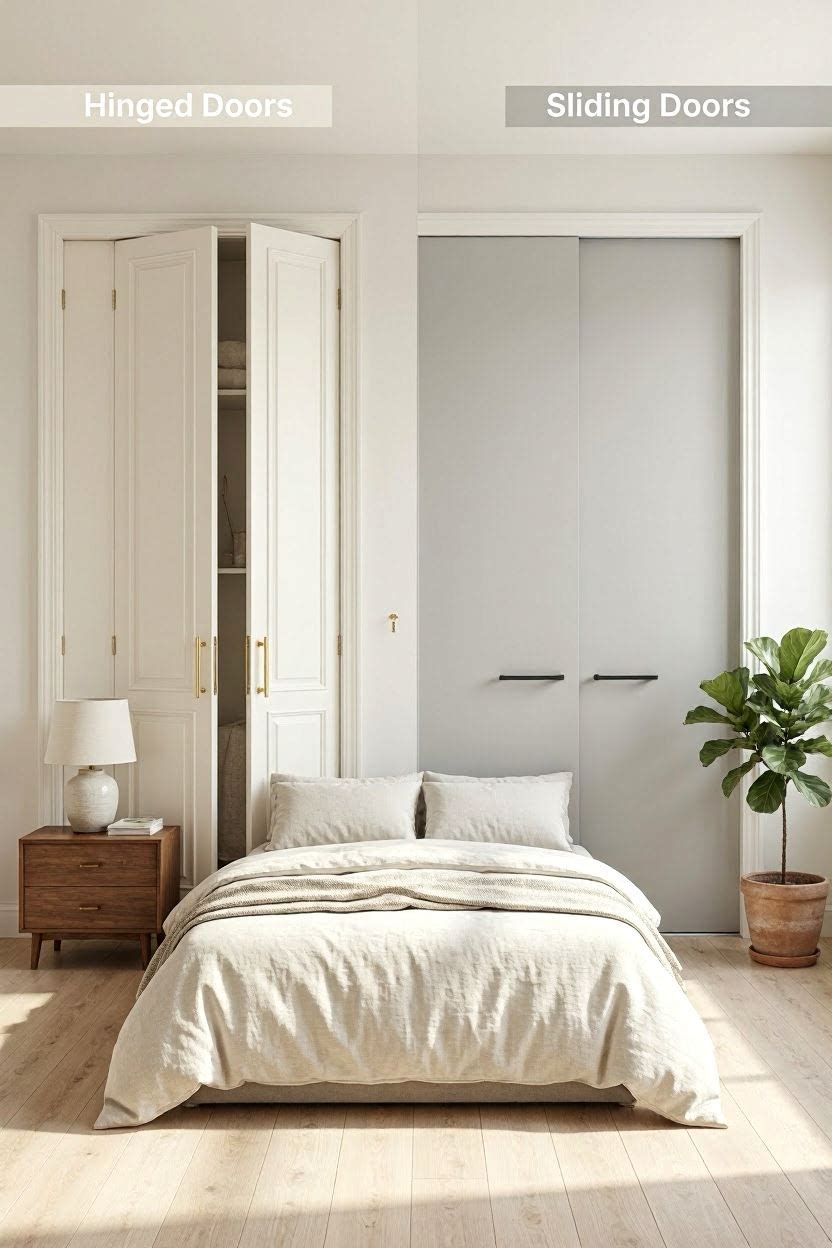
Before picking colors or finishes, decide on the door type. This single choice affects cost, space, and the entire look of the room.
| Door Type | Best For | Space Needed | Cost Range (USA) |
|---|---|---|---|
| Hinged (swing) | Large bedrooms | Needs 2–3 ft clearance | $800–$3,500 |
| Sliding | Small/medium rooms | No extra space needed | $1,200–$4,000 |
| Bifold | Reach-in closets | Minimal clearance | $600–$2,000 |
| French doors | Classic/traditional style | Moderate clearance | $1,000–$3,000 |
| Pocket/flush | Ultra-minimalist look | Recessed wall needed | $2,000–$6,000+ |
Pro tip: If your bedroom is under 12 feet wide, always go with sliding doors. They save floor space and look just as luxurious as hinged — sometimes more so.
Where to buy: IKEA PAX (budget), The Container Store (mid-range), California Closets (premium).
2. Go Full Floor-to-Ceiling for a Built-In Look
The single fastest way to make a wardrobe look luxury? Take it all the way to the ceiling.
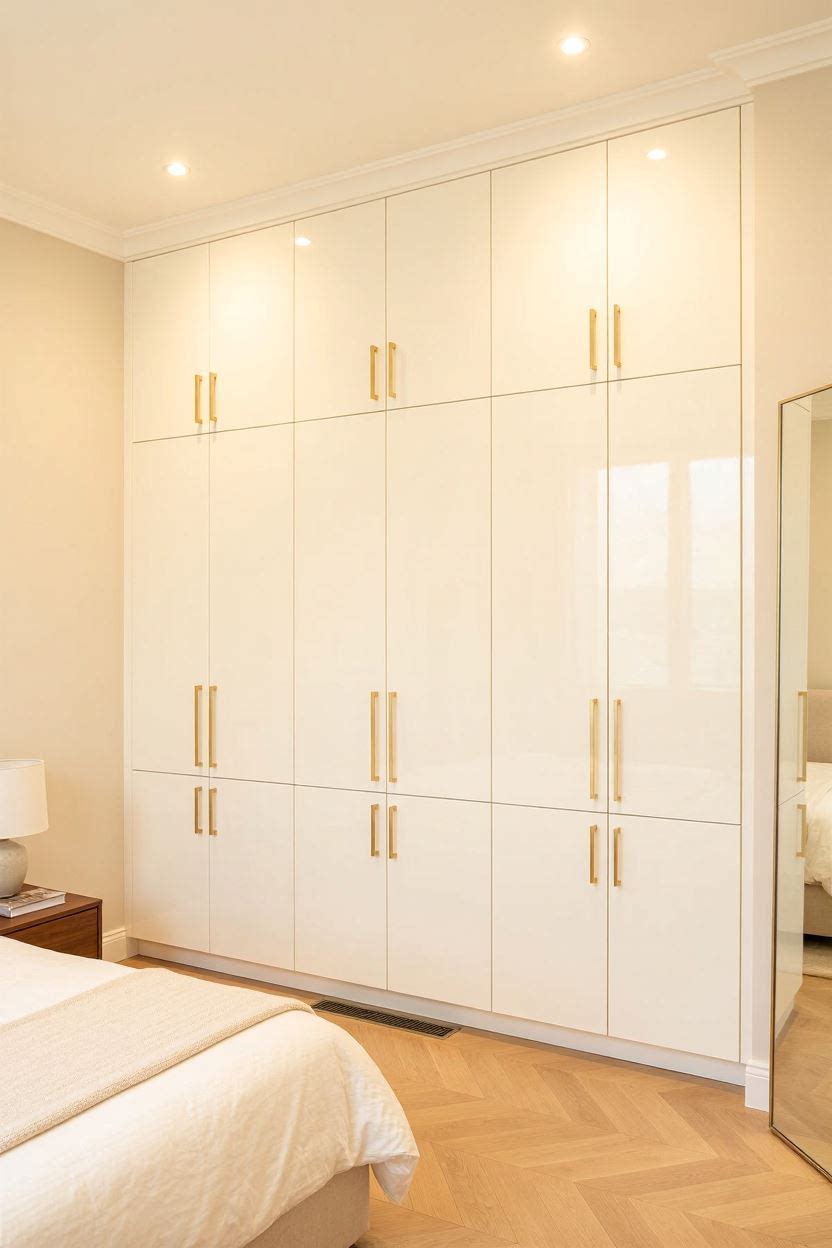
Most standard wardrobes stop 6–7 feet up, leaving a dusty gap at the top. A ceiling-height wardrobe:
- Eliminates wasted overhead space
- Makes ceilings feel taller
- Looks custom-built even if it’s flat-pack
- Adds 15–20% more storage
How to do it: Add a loft cabinet unit on top of your existing wardrobe. IKEA PAX loft units fit perfectly over standard cabinets. Gap-fill with trim molding painted to match the wall — it looks seamless.
Cost: $200–$600 extra over a standard wardrobe, depending on materials.
3. Use Two-Tone Finishes to Add Visual Depth
A single-color wardrobe can look flat. Two-tone design — pairing a bold color with white or wood — adds instant sophistication.
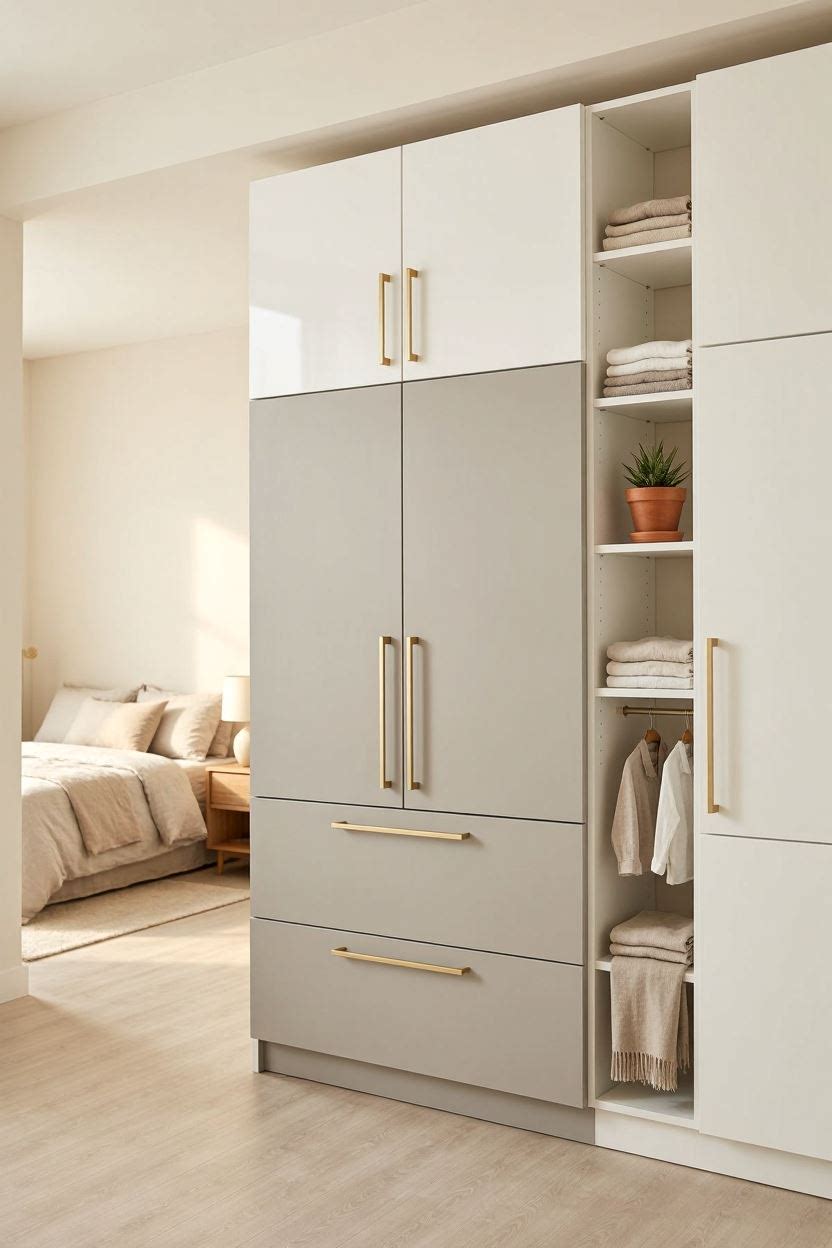
Popular two-tone combinations in 2025–2026:
| Combination | Mood | Best Room Style |
|---|---|---|
| White + Walnut wood | Warm Scandinavian | Modern, boho |
| Grey + White | Clean, contemporary | Minimalist, transitional |
| Navy + Natural oak | Bold, classic | Traditional, eclectic |
| Black + Light wood | Dramatic, masculine | Industrial, modern |
| Dusty blue + White | Soft, playful | Kids’ rooms, coastal |
Design rule: Use the darker tone on the main door panels and lighter tone on overhead cabinets or side shelves. This grounds the design visually.
4. Add Open Shelving on One Side for Display + Function
A wardrobe that’s all doors can feel heavy. Breaking it up with an open shelving tower on one side does two things: it adds breathing room visually, and gives you a place to display decor, books, or folded clothes.
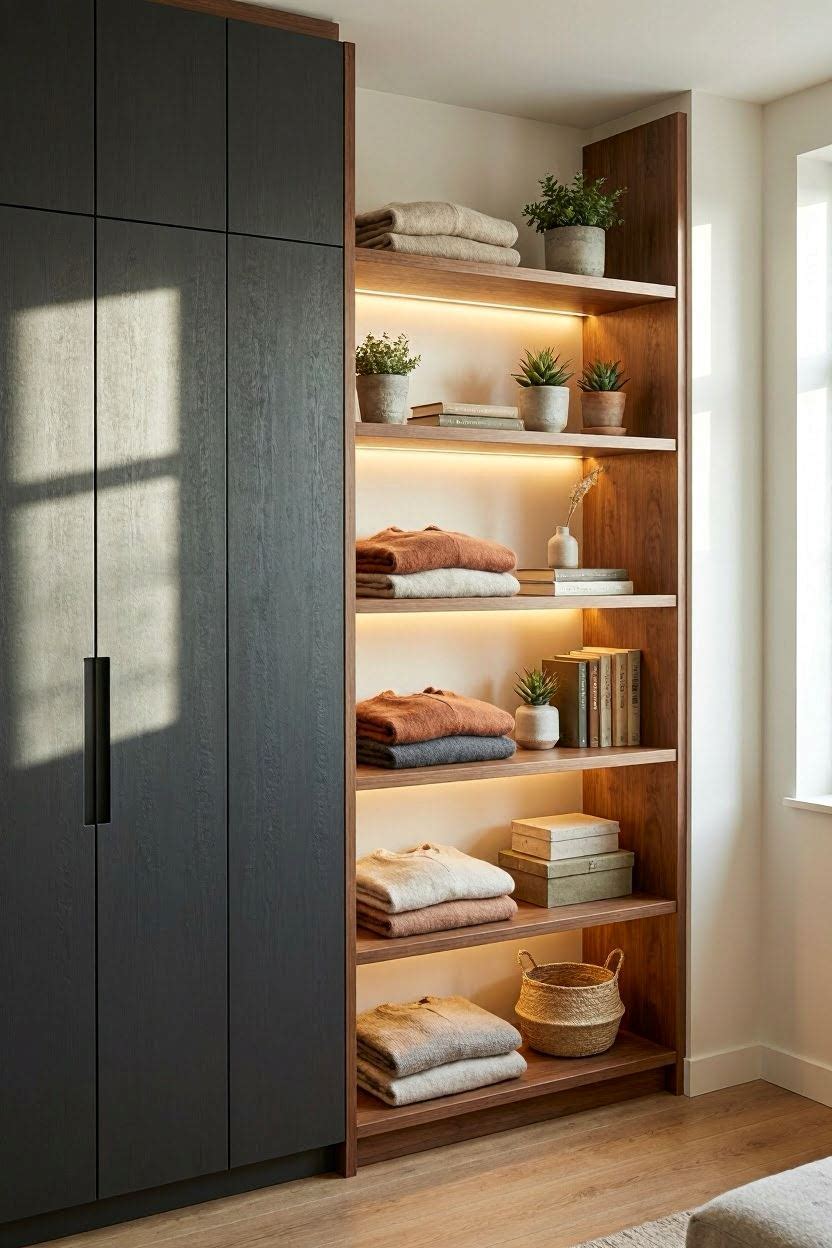
What to put on open wardrobe shelves:
- Folded jeans, sweaters, or bags
- Small plants (pothos, succulents work well)
- Books and decorative boxes
- Framed photos or small art
Shelf depth tip: Open display shelves should be 10–12 inches deep. Storage shelves inside the wardrobe should be 20–24 inches deep for folded clothes.
5. Pick the Right Interior Organization System
The outside of the wardrobe gets all the attention, but the inside is what you interact with every single day. A good interior layout makes getting dressed faster and easier.
| Zone | What Goes Here | Recommended Height |
|---|---|---|
| Top shelf | Luggage, seasonal items | 72”–84” from floor |
| Long hang | Dresses, coats, shirts | 48”–68” clearance |
| Short hang (double) | Jackets, folded pants | 2× 38”–40” sections |
| Drawers | Underwear, socks, accessories | Waist height (36”–40”) |
| Shoe rack | Shoes (flat + heeled) | Bottom 12”–24” |
| Pull-out trays | Jewelry, watches, ties | Eye level, shallow |
USA brands for interior fittings: ClosetMaid ($80–$300), Rubbermaid FastTrack ($150–$500), elfa by The Container Store ($500–$2,000+).
6. Choose Glossy Panels for a High-End Hotel Look
If you want that five-star hotel bedroom feeling, high-gloss panel doors are the move. They reflect light, make the room feel larger, and photograph beautifully.
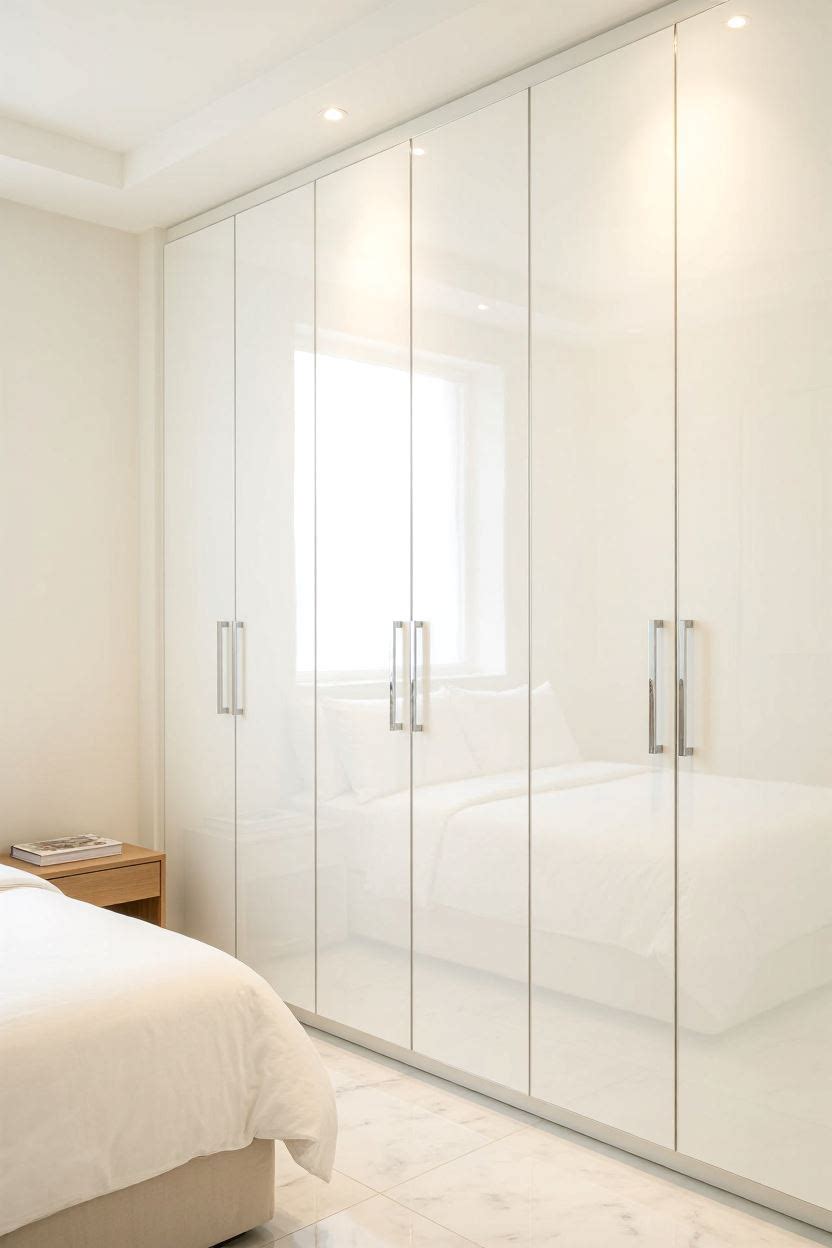
Gloss vs Matte — which one is right for you?
| Feature | High Gloss | Matte |
|---|---|---|
| Look | Sleek, modern, hotel-style | Soft, warm, understated |
| Fingerprints | Shows easily | Hides well |
| Light reflection | High — makes room feel bigger | Low — absorbs light |
| Cleaning | Wipe with microfiber | Easy, forgiving |
| Cost | 10–20% more | Standard |
| Best for | Modern, minimalist, contemporary | Traditional, rustic, farmhouse |
Where to buy gloss panels in USA: IKEA Axstad doors (budget-friendly), Semihandmade fronts for IKEA PAX (mid-range), custom lacquer from local cabinet makers (premium).
7. Integrate a Study Nook or Dressing Table
One of the smartest wardrobe design moves is building a study desk or dressing table directly into the wardrobe unit. You save floor space and everything looks cohesive — like a custom fit-out.
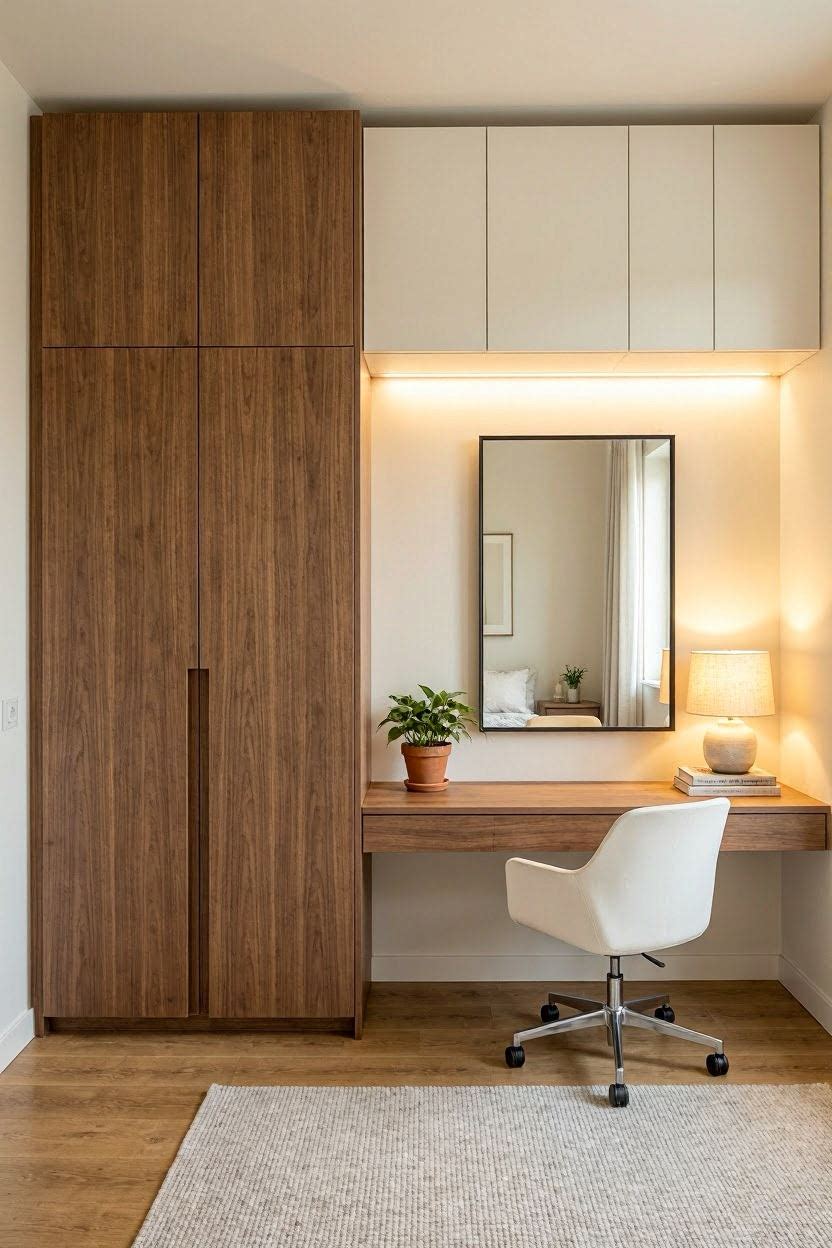
How to plan a wardrobe with built-in desk:
- Reserve a 30”–36” wide section in the wardrobe run for the desk
- Set desk height at 28”–30” from floor (standard desk height)
- Add overhead cabinets above the desk starting at 18”–20” clearance
- Include a small task light under the overhead cabinet
- Use a wall-mounted mirror above the desk section to serve as both dressing mirror and room opener
Estimated cost to add: $400–$1,200 depending on whether it’s IKEA-hacked or custom-built.
8. Use Warm LED Strip Lighting Inside and Around the Wardrobe
Lighting transforms a wardrobe from storage to a feature. Interior LED strips make finding clothes easier. Exterior accent lighting makes the wardrobe a design statement.
Two ways to light your wardrobe:
Interior lighting — Install LED strips along the top inside edge of each section. Motion-activated lights (like those from IKEA or Amazon Basics) are the easiest to install. Cost: $20–$80.
Exterior accent lighting — Add recessed spotlights in the ceiling aimed at the wardrobe, or LED strip lights in a cove above the wardrobe for a soft glow. This is the technique used in luxury hotel suites. Cost: $100–$400 including an electrician visit.
Bulb temperature: Always use 2700K–3000K (warm white) for bedrooms. Cool white (5000K+) feels clinical and harsh.
9. Go Dark and Dramatic With Charcoal or Slate Grey
White wardrobes are safe. Dark wardrobes are confident. A charcoal, slate grey, or dark anthracite wardrobe makes a bold statement — especially in a bedroom with light walls.
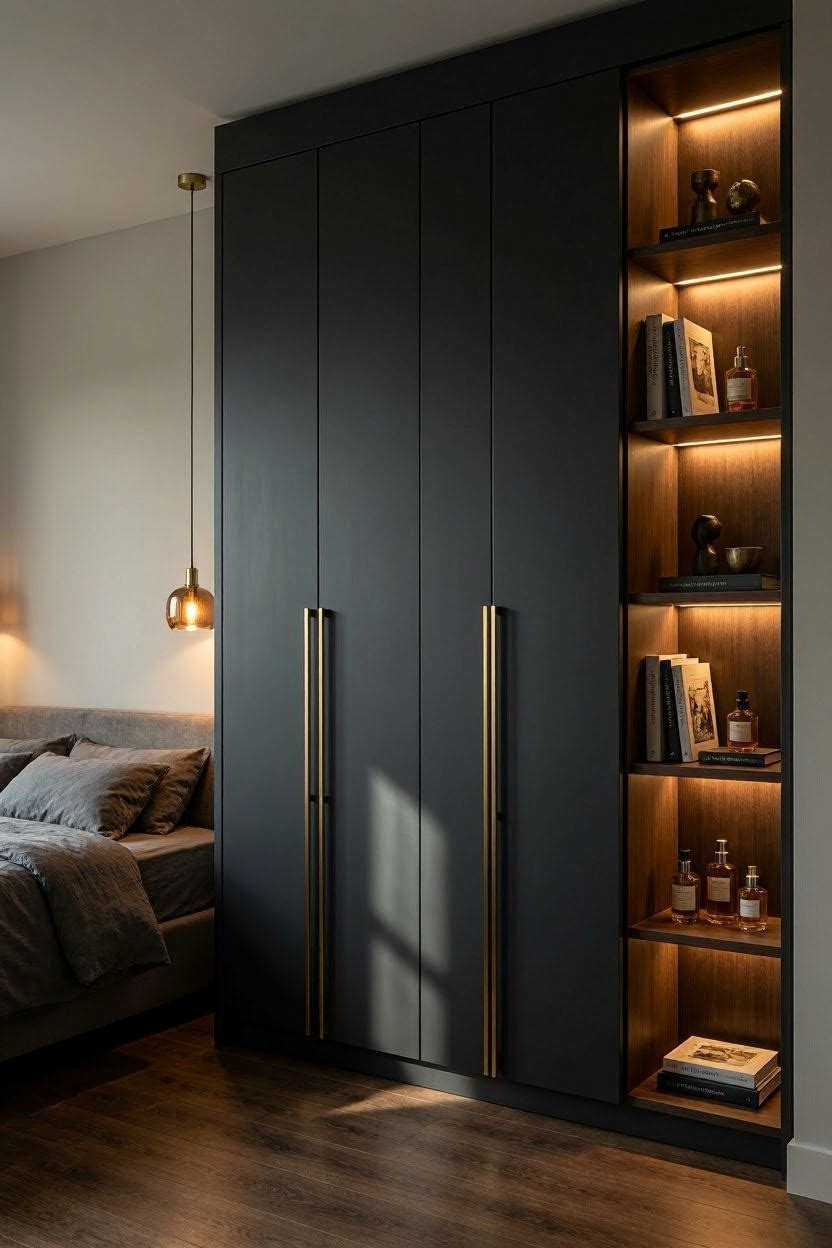
How to make a dark wardrobe work without making the room feel smaller:
- Keep walls light (white, cream, or pale grey)
- Use gold or brass hardware — it pops beautifully against dark finishes
- Add a large mirror somewhere in the room to bounce light
- Include open shelving in the wardrobe design to break up the mass
- Use warm-tone lighting above or inside the wardrobe
Popular dark finishes in 2025–2026: Anthracite grey, slate, graphite, dark walnut, matte black.
10. Add a Wardrobe With a Built-In Mirror Panel
Mirrors inside or on wardrobe doors are one of the highest-value additions you can make. A full-length mirror on a door saves wall space, makes the room feel twice as large, and is practically useful every day.
Three mirror options for wardrobes:
| Option | Cost | Best For |
|---|---|---|
| Full-length door mirror | $150–$600 | Dressing, small rooms |
| Mirrored panel insert | $200–$800 | Partial mirror, more elegant |
| Internal pull-out mirror | $100–$400 | Hidden, minimal look |
| Floor-to-ceiling mirrored section | $500–$2,000 | Large rooms, dramatic effect |
Installation tip: If adding a mirror to an existing hinged door, use mirror adhesive pads plus a few concealed clips. For sliding wardrobes, order doors with pre-fitted mirror glass from the manufacturer — it’s safer and cleaner.
Final Thoughts
A bedroom wardrobe is not just storage — it’s the backbone of your bedroom’s design. The ideas in this guide work across all budgets, from a $500 IKEA PAX makeover to a $10,000 custom fit-out.
Here’s a quick recap of the most impactful changes you can make:
- Go floor-to-ceiling — it’s the single biggest upgrade for the least cost
- Two-tone finishes add sophistication without custom pricing
- Integrate lighting — interior and accent — for a hotel-suite feel
- Build in a desk or dressing table if your room allows
- Choose your door style based on room size, not just looks
Start with one idea. Even a single change — new handles, a mirror panel, or a ceiling-height loft unit — can completely change how your bedroom feels.
Frequently Asked Questions
Q: What is the standard wardrobe depth in USA bedrooms?
A: Standard wardrobe depth is 24 inches (60 cm). Walk-in closets are typically 6–8 feet deep. For tight spaces, 20-inch-deep wardrobes are available and work well for folded items.
Q: How much does a built-in wardrobe cost in the USA?
A: Budget: $800–$2,000 (IKEA-based systems). Mid-range: $2,000–$6,000 (semi-custom like California Closets). High-end: $6,000–$20,000+ (fully custom cabinetry).
Q: What wood finish is trending for wardrobes in 2025–2026?
A: Warm walnut, light oak, and white oak finishes are extremely popular. These pair well with both white and grey painted elements.
Q: Should a wardrobe match the bedroom furniture?
A: It doesn’t have to match exactly, but it should coordinate. If your bed frame is walnut, using walnut accents on the wardrobe creates cohesion even if the door panels are a different color.
Q: How do I make a small bedroom wardrobe look luxurious?
A: Use floor-to-ceiling height, glossy or two-tone finishes, integrated lighting, and long vertical handles. These four elements together create a high-end look regardless of budget.