25 Best Kids Bedroom Design Ideas That Kids Actually Love (2026)
Introduction
Designing a kids bedroom is one of the most rewarding home projects you can take on. But it is also one of the trickiest. Kids grow fast. Their tastes change. And safety always has to come first.
This guide gives you 25 practical, affordable, and kid-approved bedroom design ideas — broken into clear steps and sections. Whether you have a toddler, a school-age child, or a tween, you will find ideas that actually work in real American homes.
Let’s build a room your child will love — and one you will feel good about too.
Section 1: Start With Safety First
Before picking colors or furniture, think about safety. A beautiful room means nothing if it puts your child at risk.
1.1 Anchor Furniture to the Wall
Every tall piece of furniture — dressers, bookshelves, wardrobes — must be anchored to the wall. Kids climb. Furniture tips over. This is the number one safety step.
- Use anti-tip straps (around $10–$15 at Home Depot or IKEA)
- Check that wall anchors go into studs, not just drywall
- Re-check anchors every 6 months
1.2 Choose Safe, Non-Toxic Materials
| Material | Safe Option | What to Avoid |
|---|---|---|
| Paint | Zero-VOC latex paint | Oil-based or high-VOC paint |
| Rugs | Wool or organic cotton | Synthetic rugs with chemical backing |
| Mattress | CertiPUR-US certified foam | Unknown foam sources |
| Furniture | GREENGUARD Gold certified | Unverified pressed wood |
1.3 Cover Outlets and Hide Cords
- Use tamper-resistant outlet covers ($8 for a 12-pack on Amazon)
- Route cords behind furniture or use cable raceways
- Keep blind cords out of reach — use cordless blinds for all kids rooms
1.4 Pick the Right Flooring
Hardwood or laminate with a soft area rug is the best combo. Avoid slippery tile in kids rooms. Add rug grippers underneath every rug.
Section 2: Plan the Layout First
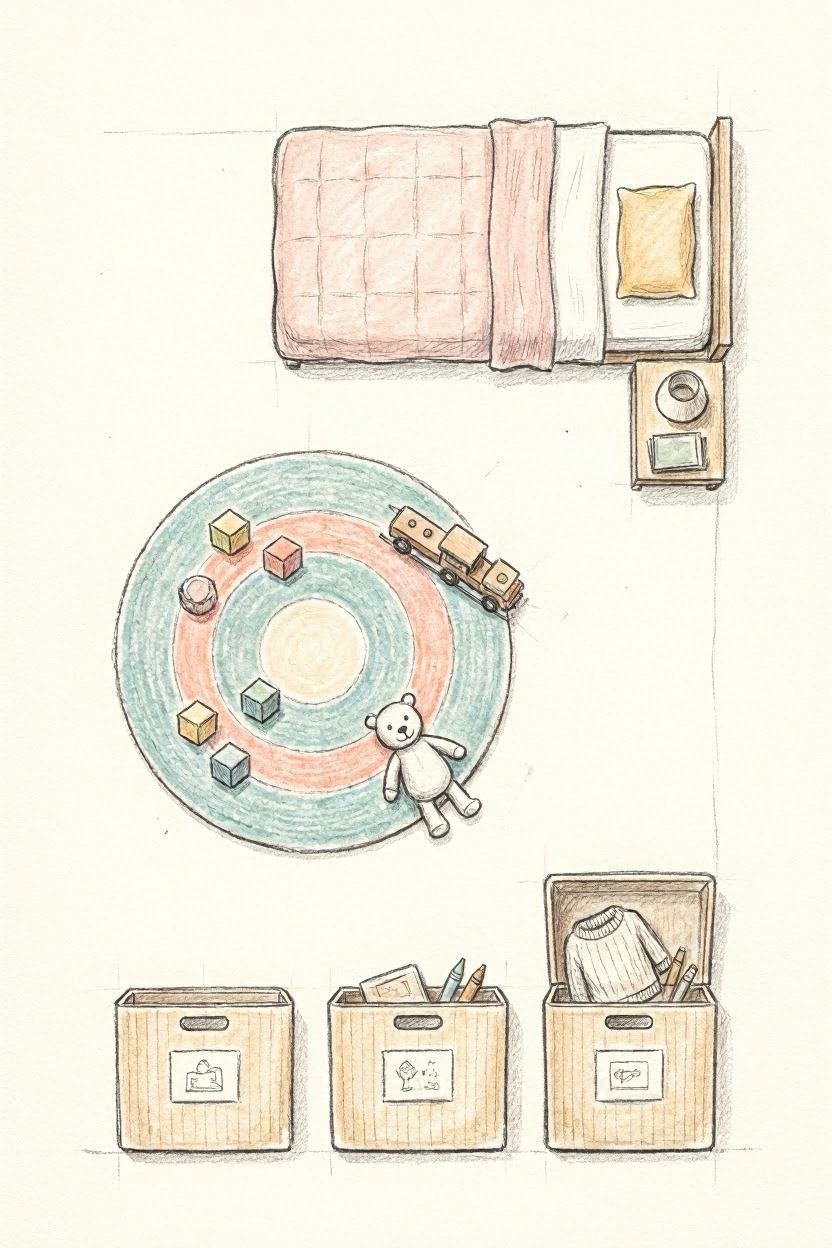
2.1 Map the Room Before Buying Anything
Grab a tape measure and sketch the room on paper. Mark:
- Door and window locations
- Electrical outlets
- Closet openings
Then decide where the bed, desk, and play area will go. Leave at least 3 feet of clear walking space around the bed.
2.2 Use Zones to Organize the Space
Divide the room into three zones:
| Zone | Purpose | Key Furniture |
|---|---|---|
| Sleep Zone | Rest and calm down | Bed, blackout curtains |
| Play Zone | Active and creative play | Toy storage, open floor space |
| Study Zone | Homework and reading | Desk, good task lighting |
Even a small 10×10 room can have all three zones if planned well.
Section 3: Pick a Theme Your Child Will Love
3.1 Ask Your Child First
The biggest mistake parents make is designing a room without the child’s input. Ask your child:
- What is your favorite color?
- Do you want a theme (space, dinosaurs, rainbows, ocean)?
- What do you wish your room had that it doesn’t?
3.2 Popular Kids Bedroom Themes in 2026
| Theme | Best Age | Budget Range | Where to Shop |
|---|---|---|---|
| Space / Galaxy | 5–12 | $200–$600 | Target, Amazon |
| Jungle / Safari | 2–8 | $150–$400 | IKEA, HomeGoods |
| Rainbow / Pastel | 3–10 | $100–$350 | Pottery Barn Kids |
| Ocean / Underwater | 4–11 | $200–$500 | Wayfair, Target |
| Sports | 6–14 | $150–$450 | Academy Sports, Amazon |
| Princess / Castle | 3–9 | $200–$600 | Pottery Barn Kids |
3.3 Keep Themes Flexible
Use themed accessories and bedding — not permanent wall murals. Kids change their minds. A fresh set of bedding and wall art is much cheaper than repainting.
Section 4: Choose the Right Bed
The bed is the biggest piece of furniture and sets the tone for the whole room.
4.1 Loft Beds — Best for Small Rooms
Loft beds free up the floor below for a desk, reading nook, or play area. They work great for kids 6 and up.
- Best pick: IKEA SVÄRTA Loft Bed (~$299) — solid, safe guardrails, easy to assemble
- Safety note: Always use the guardrails. Never let kids under 6 sleep in a loft bed.
- Add a non-slip step stool or built-in ladder with wide rungs
4.2 Bunk Beds — Best for Shared Rooms
Great when two kids share a room. Look for:
- Full-length guardrails on the top bunk
- Ladder attached to the bed frame, not freestanding
- Weight limit clearly stated (most hold 200–250 lbs per bunk)
Budget pick: Zinus Metal Bunk Bed (~$250 on Amazon) Premium pick: Pottery Barn Kids Camp Bunk Bed (~$1,800)
4.3 Low Platform Beds — Best for Toddlers
Low to the ground, easy to climb in and out, no fall risk. Add guardrail sides for extra safety.
- Best pick: IKEA KURA Reversible Bed (~$199) — converts from low platform to loft
Section 5: Smart Storage Ideas
Clutter is the enemy of a calm bedroom. Smart storage keeps toys, books, and clothes organized without making the room feel tight.
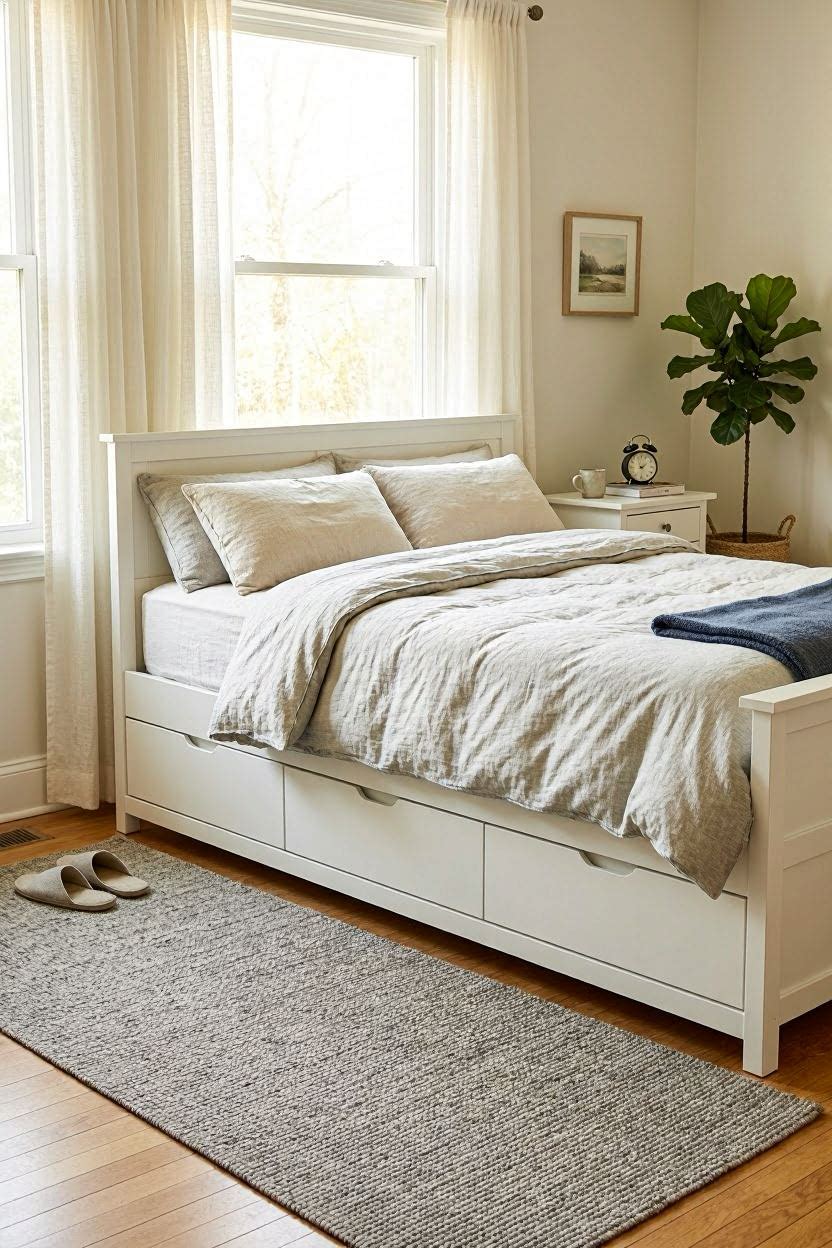
5.1 Use Under-Bed Storage
Roll-out drawers under the bed are a game-changer. Store:
- Seasonal clothes
- Extra blankets
- Toys that are used less often
IKEA HEMNES bed frame has built-in drawers (~$499). Or buy separate rolling bins (~$25 each on Amazon).
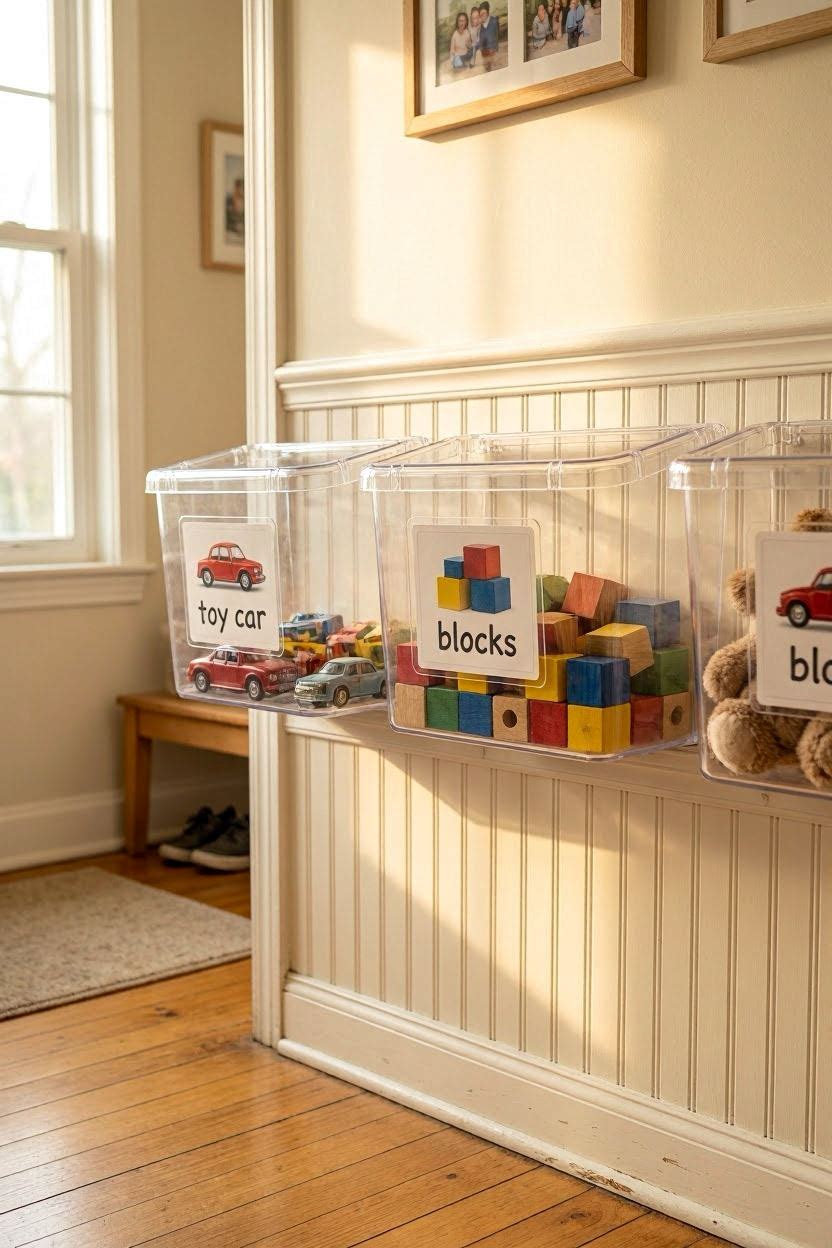
5.2 Build a Toy Rotation System
Too many toys out at once overwhelm kids and create mess. Try this:
- Sort toys into 3–4 sets
- Keep only one set visible and accessible
- Rotate every 2–3 weeks
- Kids stay more engaged with “new” toys they haven’t seen in a while
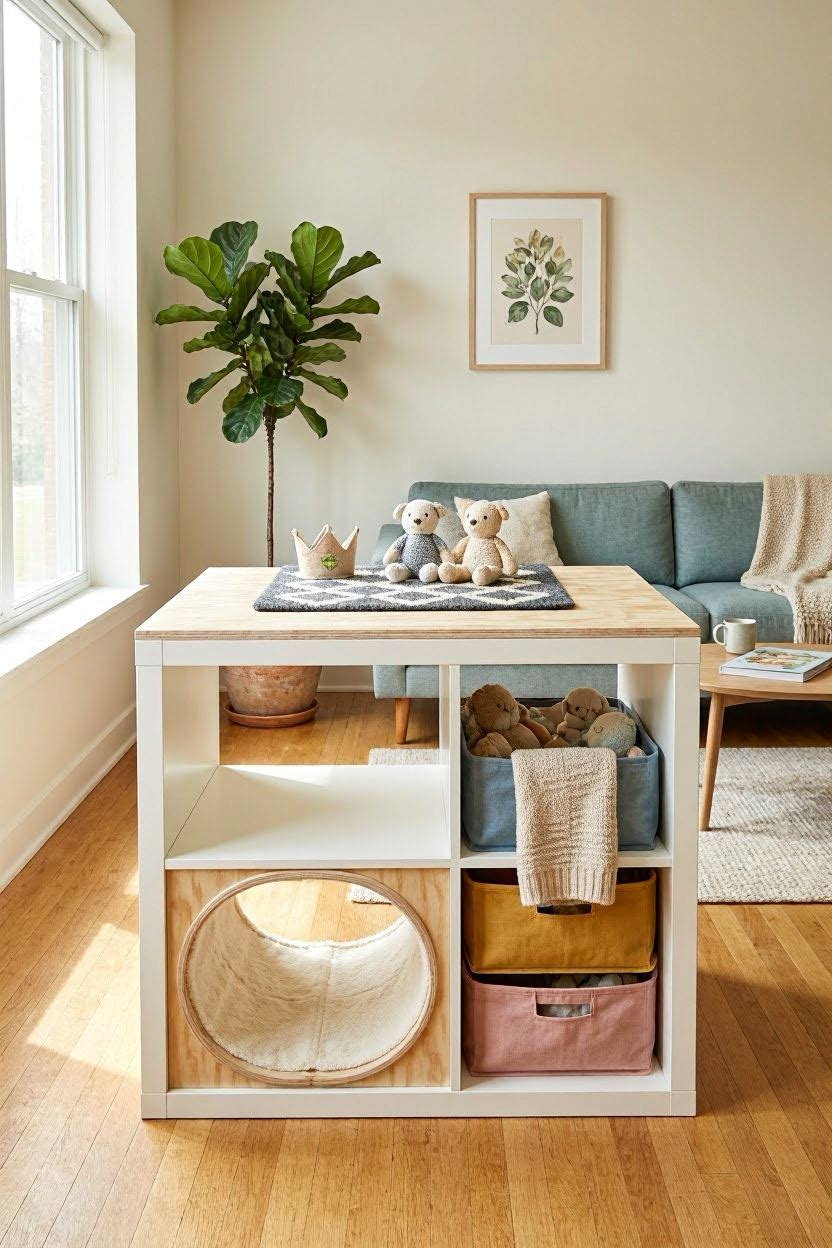
Use open cube shelves with fabric bins. IKEA KALLAX is the gold standard (~$90 for a 4-cube unit).
5.3 Add Vertical Storage
Walls are free storage space. Use:
- Floating shelves for books and small toys
- Pegboards for art supplies and accessories
- Over-door organizers for shoes and small items
Safety note: Secure all shelves with wall anchors. Never hang heavy shelves above where a child sleeps.
Section 6: Lighting Done Right
Lighting affects sleep, mood, and how safe the room feels at night.
6.1 Layer Your Lighting
Use three types of light in a kids room:
| Light Type | Purpose | Product Example | Cost |
|---|---|---|---|
| Overhead / Ambient | General room lighting | Flush mount LED ceiling light | $30–$80 |
| Task Lighting | Reading and homework | Clip-on desk lamp | $20–$45 |
| Night Light | Safety and comfort | Motion-activated plug-in night light | $10–$20 |
6.2 Use Warm Bulbs for Sleep
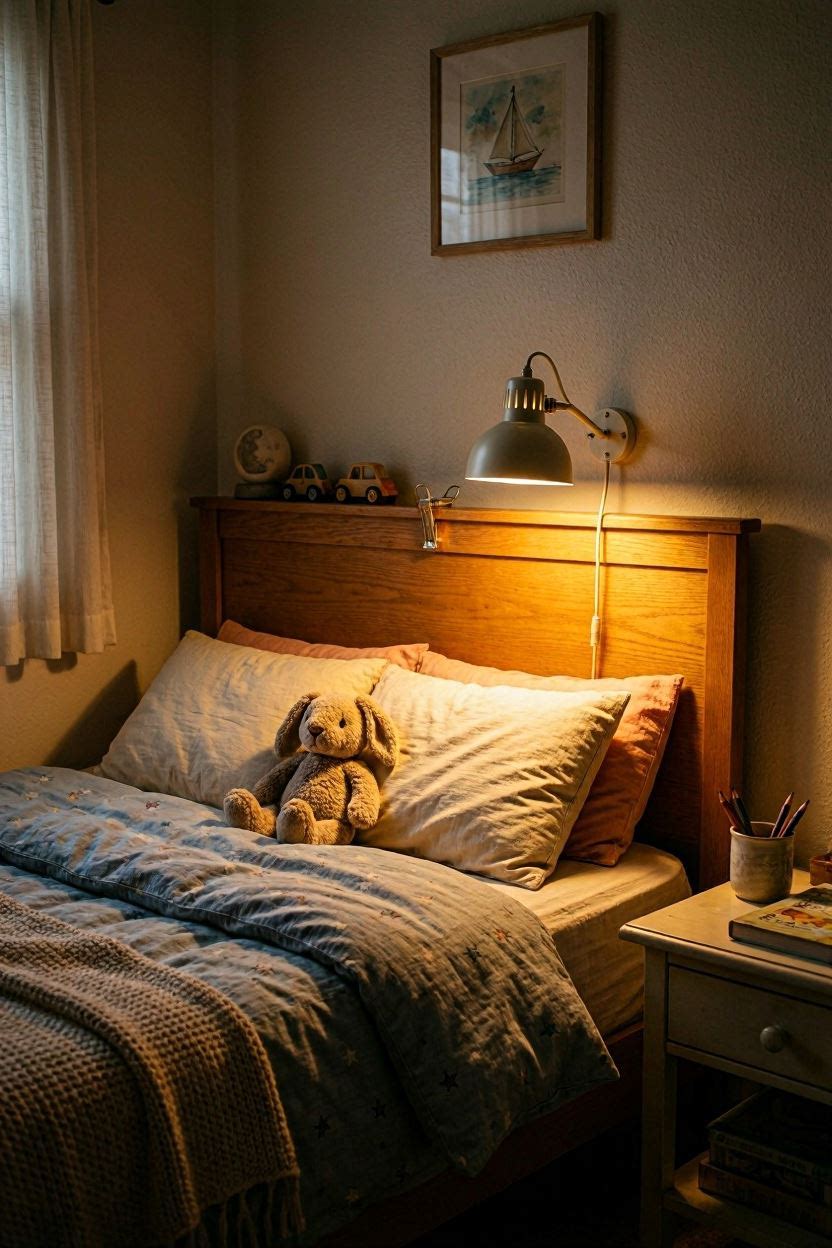
Avoid cool white or blue-toned bulbs in kids bedrooms. Use warm white bulbs (2700K–3000K color temperature). They support the body’s natural sleep cycle.
6.3 Add Blackout Curtains
Kids sleep much better when the room is dark. Blackout curtains block streetlights, early morning sun, and car headlights.
- Budget option: Eclipse Kids Blackout Curtain Panels (~$20–$30 per panel at Walmart)
- Premium option: Pottery Barn Kids Blackout Panels (~$60–$80 per panel)
- Install the rod as close to the ceiling as possible and let curtains extend past the window frame on both sides
Section 7: Color and Wall Ideas
7.1 How to Pick the Right Color
Soft, warm colors calm kids down. Bright, saturated colors energize them. Use this as a guide:
| Room Area | Best Color Type | Examples |
|---|---|---|
| Walls | Soft, warm neutrals or pastels | Sage green, sky blue, warm white, blush |
| Accent wall | One bold color or pattern | Navy, forest green, sunny yellow |
| Ceiling | White or very light | White, pale sky blue |
7.2 Try an Accent Wall Instead of Full Paint
Painting just one wall is faster, cheaper, and easier to update later. Popular accent wall ideas:
- Geometric shapes painted with painter’s tape
- Stripes in two complementary colors
- Chalkboard paint on one wall (great for creative play)
- Peel-and-stick wallpaper — no damage to walls, easy to change
7.3 Let Kids Add Their Own Touch
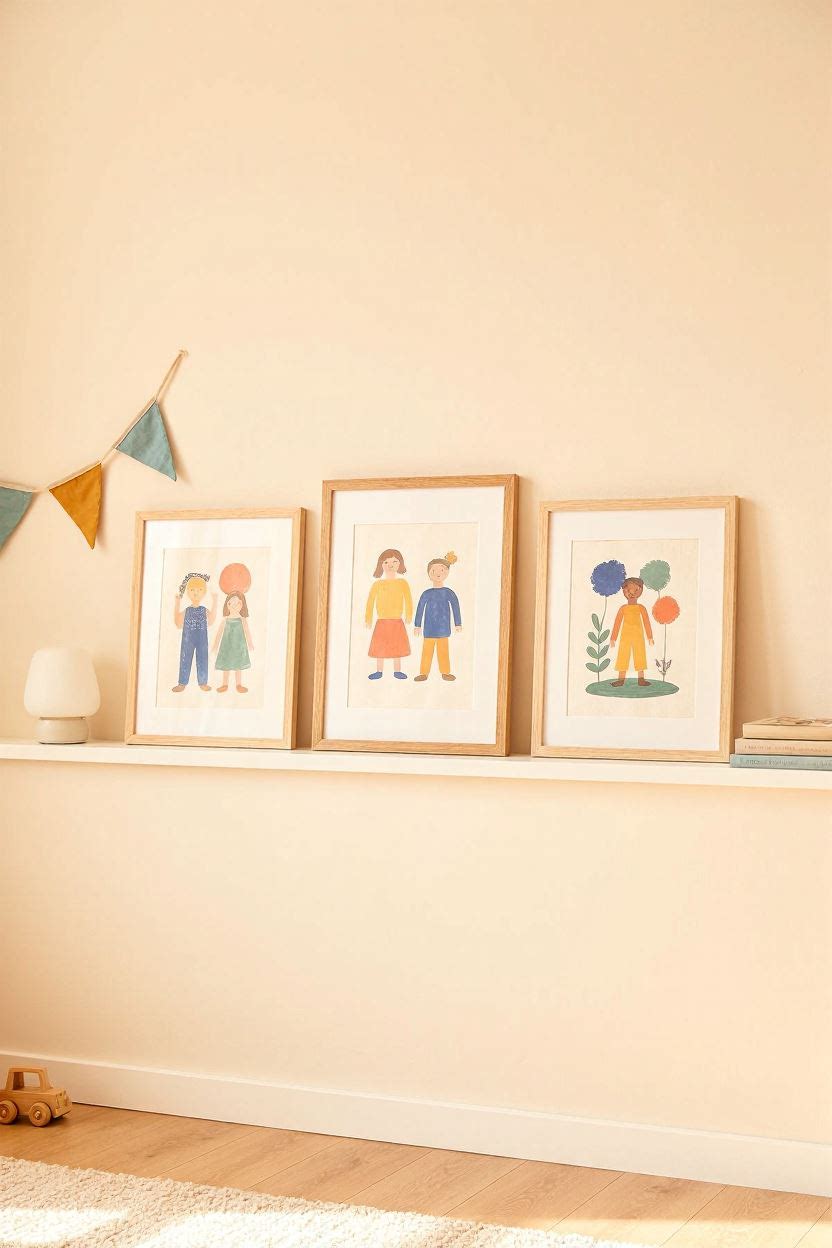
Frame your child’s drawings and hang them as a gallery wall. It builds confidence and makes the room truly theirs. Use Command Strips to hang frames — no holes needed.
Section 8: Create a Reading Nook
A reading nook encourages kids to read independently. It doesn’t need to be big — even a corner works.
8.1 Simple Corner Reading Nook
What you need:
- A low bookshelf or ledge to display books face-out
- 2–3 large floor cushions or a bean bag
- Warm string lights or a small reading lamp
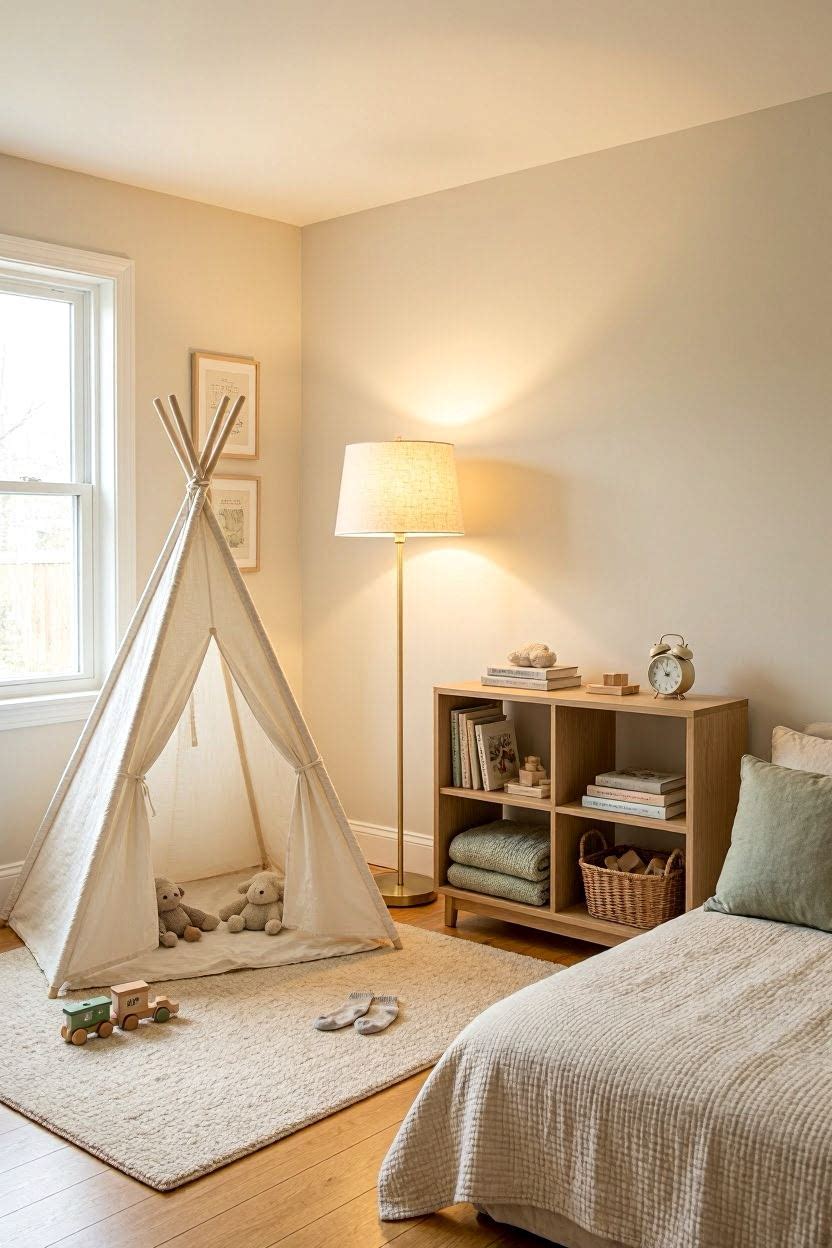
- A small canopy or teepee tent overhead for coziness
Total cost: $80–$200 depending on what you already have.
8.2 Under-Loft Reading Nook
If you have a loft bed, the space underneath is perfect. Add:
- Curtains on two sides to create a “cave” feeling
- A thin foam mat on the floor
- A small LED strip light above
- A basket of books
Kids love having a private little hideaway. It also doubles as a calm-down space.
Section 9: Study and Homework Zone
9.1 Set Up a Dedicated Desk Area
Every school-age child needs a desk. Key requirements:
- Desk height: seat height + 10 inches = desk height (adjust as they grow)
- Chair: adjustable height, backrest support
- Task lamp: placed on the opposite side from the child’s writing hand to avoid shadows
- No screen facing a window (glare causes eye strain)
Budget desk: IKEA MICKE Desk (~$99) Adjustable option: Vivo Height-Adjustable Kids Desk (~$180 on Amazon)
9.2 Organize the Desk Surface
Use:
- A pencil cup
- A small tray for papers
- A whiteboard or corkboard above the desk for reminders
Keep the desk surface clear of toys. The desk is for work — this habit matters.
Section 10: Final Touches and Décor
10.1 Add a Growth Chart
A fabric growth chart on the wall is both décor and a keepsake. Kids love tracking how tall they are getting. Fabric versions don’t damage walls and move with you if you relocate.
10.2 Use Rugs to Define Zones
A rug under the bed anchors the sleep zone. A different rug in the play area defines that space. Two rugs in one room is perfectly fine — it actually makes the room look designed and intentional.
10.3 Personalize With the Child’s Name
Wall letters, a custom name sign, or a monogram pillow makes kids feel the room is truly theirs. Personalized items are widely available on Etsy for $20–$60.
Quick Reference: Kids Bedroom Budget Guide
| Project | Budget Option | Mid-Range | Premium |
|---|---|---|---|
| Bed frame | IKEA KURA ($199) | Zinus Loft ($350) | Pottery Barn ($900+) |
| Storage | IKEA KALLAX ($90) | Land of Nod bins ($200) | Custom built-ins ($800+) |
| Lighting | Amazon basics ($40) | West Elm Kids ($120) | Serena & Lily ($300+) |
| Curtains | Walmart blackout ($30) | IKEA MAJGULL ($50) | Pottery Barn Kids ($80+) |
| Desk | IKEA MICKE ($99) | Vivo adjustable ($180) | West Elm ($400+) |
| Rug | IKEA STOPP ($25) | Ruggable ($150) | Lorena Canals ($300+) |
FAQ
What age is a loft bed safe for? Most manufacturers and pediatricians recommend loft beds for children 6 years and older. Always use the full-length guardrails.
What is the best paint for a kids bedroom? Use zero-VOC latex paint. Benjamin Moore Natura, Sherwin-Williams Harmony, and BEHR Premium Plus are top choices available at major US hardware stores.
How do I make a small kids bedroom feel bigger? Use light wall colors, mirrors, loft or platform beds, and vertical storage. Keep the floor as clear as possible for visual space.
How do I design a room for two kids with different tastes? Split the room with a bookshelf or curtain divider. Let each child have their own accent wall color and themed bedding. Shared areas (like the study zone) stay neutral.
What flooring is best for a kids bedroom? Hardwood or laminate with a washable area rug is the most practical. It is easy to clean, durable, and looks great.
Final Thoughts
A great kids bedroom is not about spending a lot of money. It is about thinking through the space carefully — putting safety first, giving kids a say in the design, and creating zones that serve how they actually live and play.
Start with the basics: a safe bed, good storage, proper lighting, and one zone for each activity. Then layer in the fun — themes, colors, reading nooks, and personal touches.
The result will be a room your child runs into happily every day and one you feel proud to walk into too.
Sources and product links are based on availability as of June 2026. Prices may vary by retailer and location.